
Best Graphics Cards 2026: GPU Tier List by Real FPS
143+ graphics cards ranked by real average in-game FPS (not synthetic specs) — at 1080p, 1440p and 4K.
Updated July 2026 · How we measure FPS
This GPU benchmark hierarchy ranks 143+ graphics cards by their real average frame rate across the most popular games, not a synthetic score. Every figure comes from our FPS engine at Ultra settings on a reference CPU, so the numbers reflect actual gaming performance.
Use the resolution buttons to re-rank the table for 1080p, 1440p or 4K, filter by brand or tier, and click any card to see its full per-game benchmarks. Launch prices (MSRP) are shown for reference.
Best GPU for each use case
The best graphics card for each use case — resolution, budget and efficiency — chosen automatically from real measured gaming FPS.
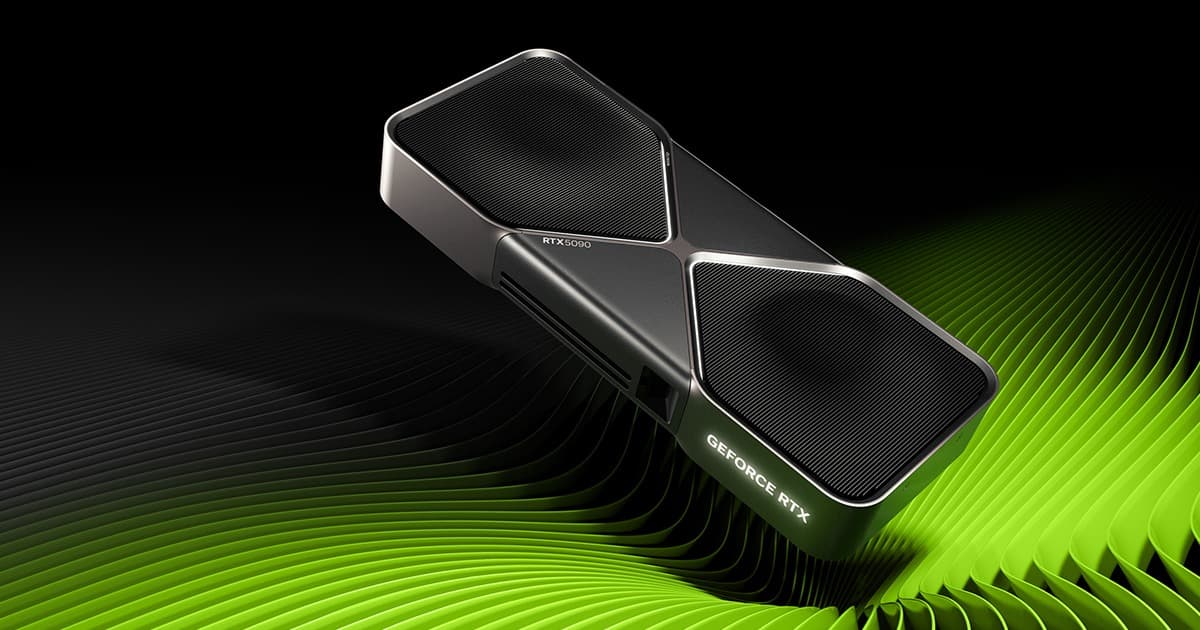
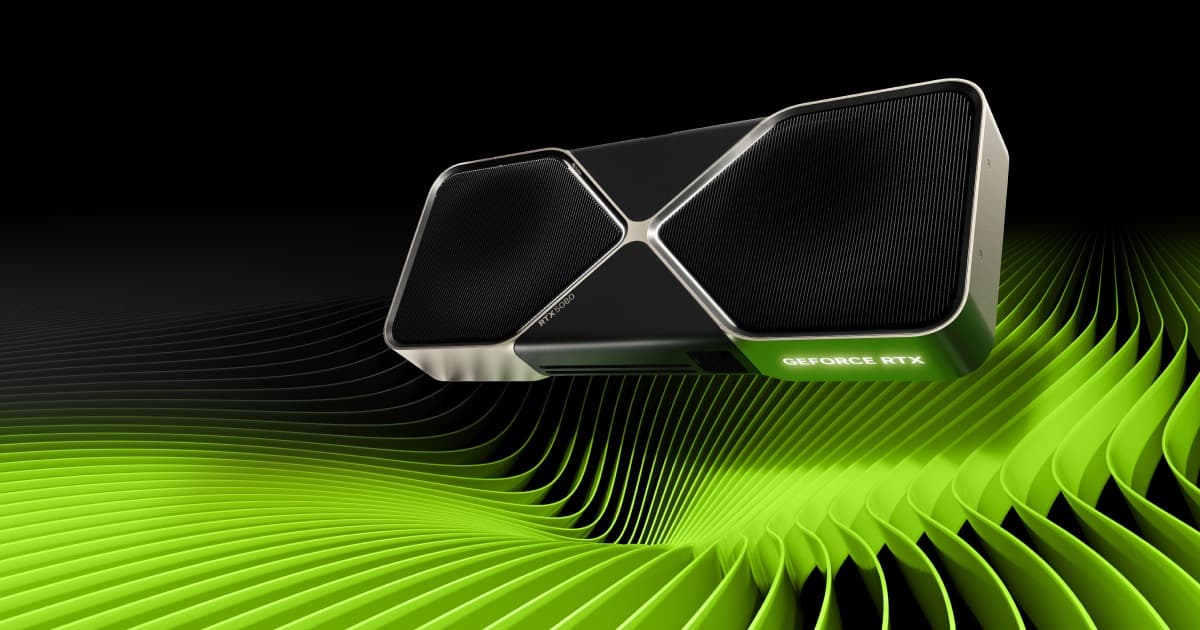
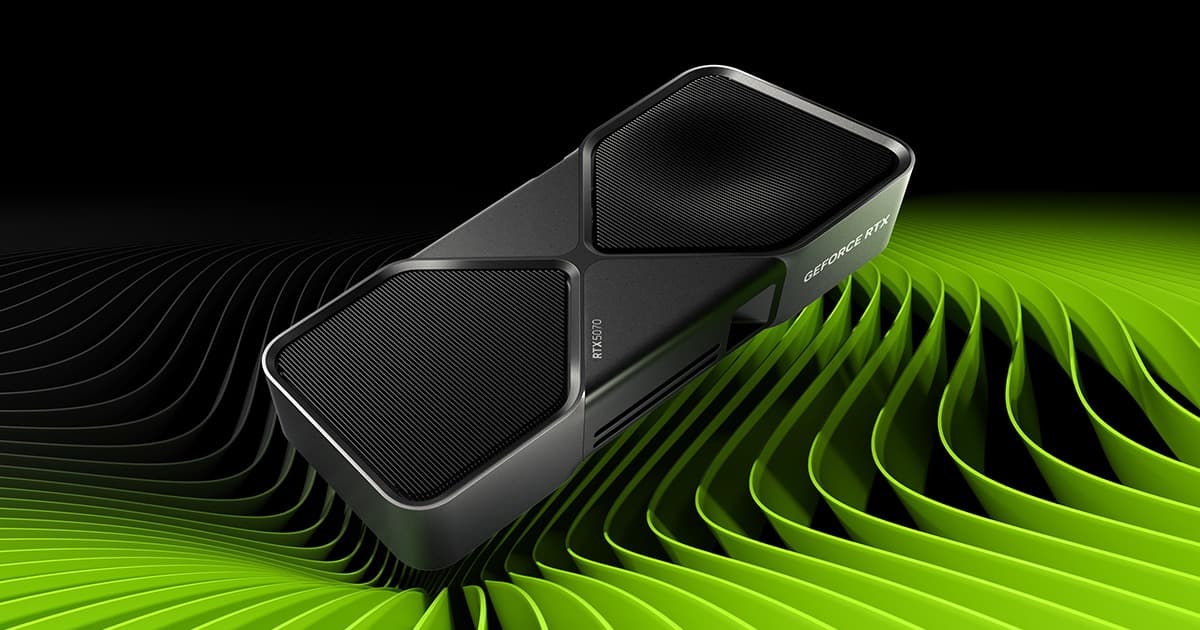
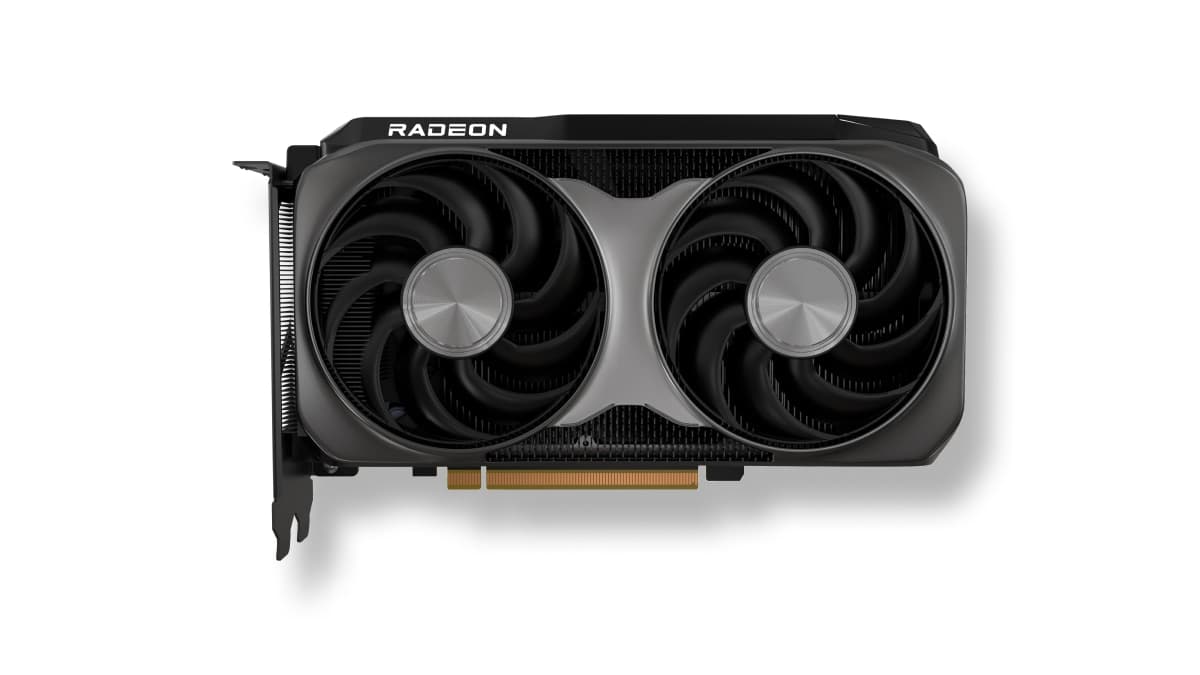
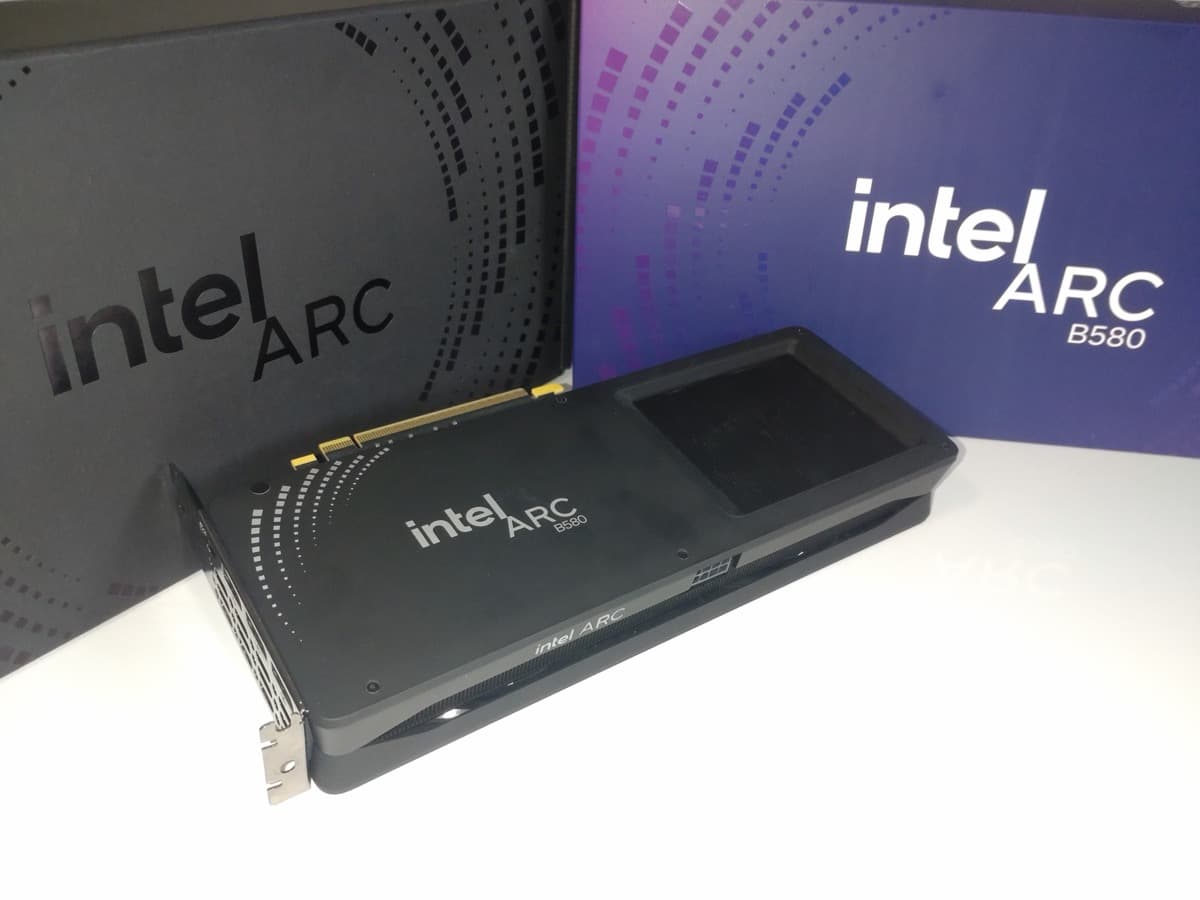

Graphics card performance ranking
At 1080p Ultra (averaged across the most demanding games): 12 GPUs top 90 FPS · 46 clear 60 FPS · 105 are playable (30+ FPS).
Showing 143 of 143 GPUs
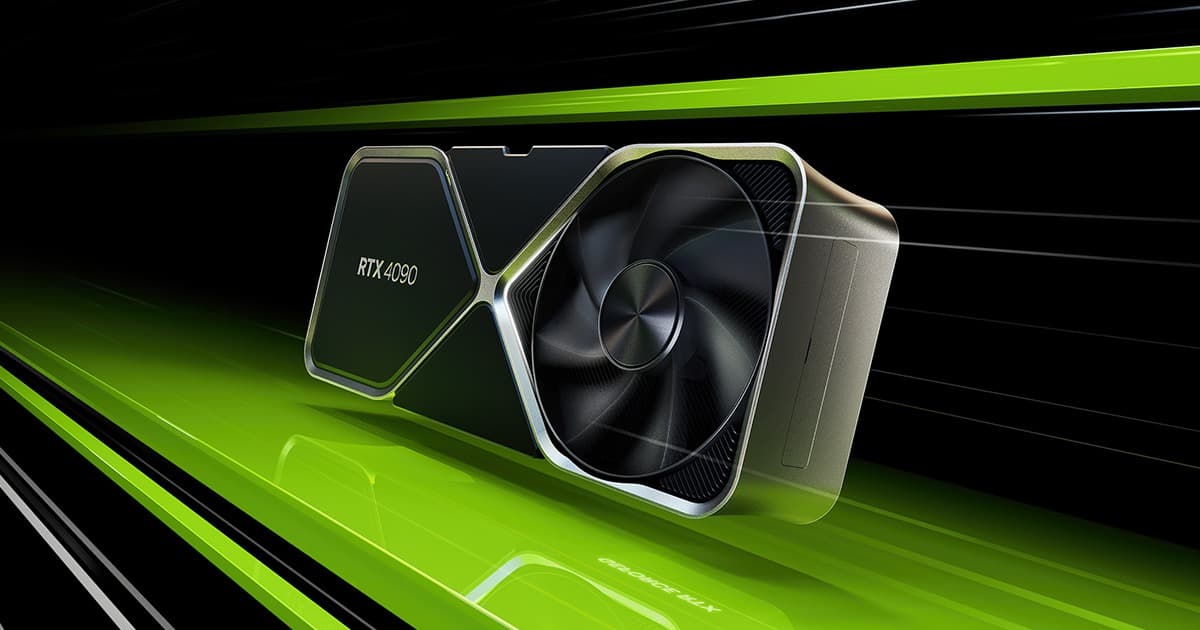
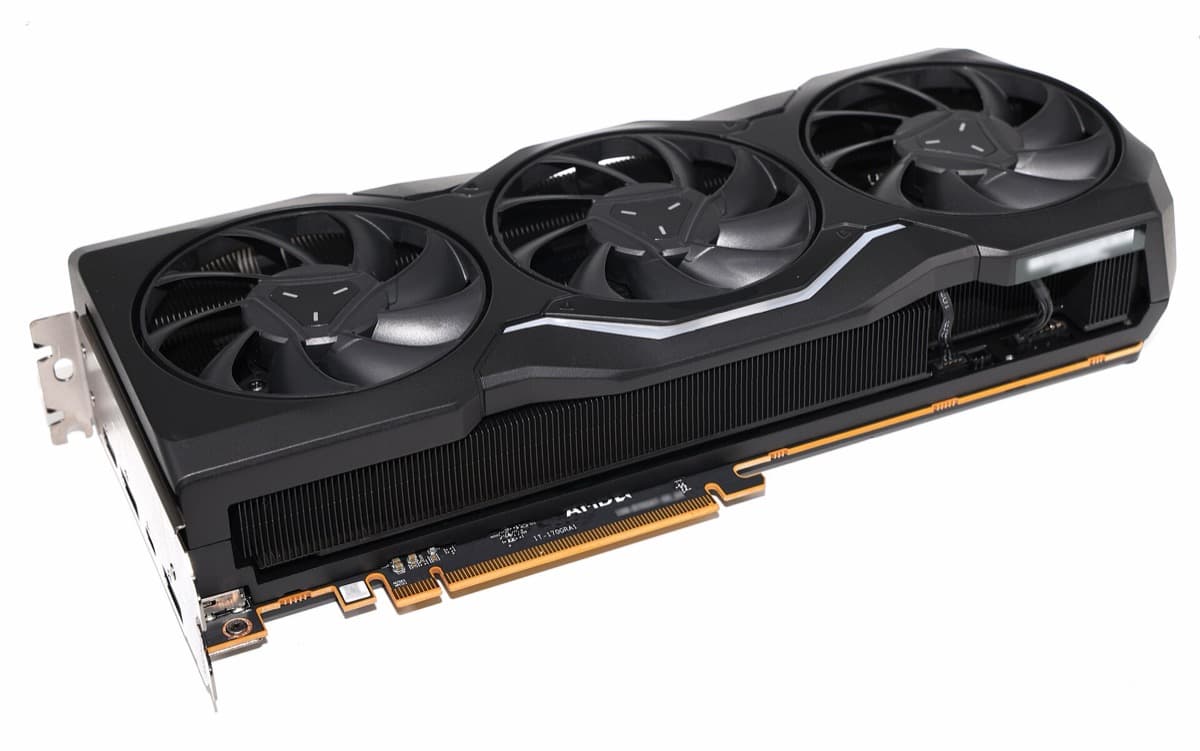
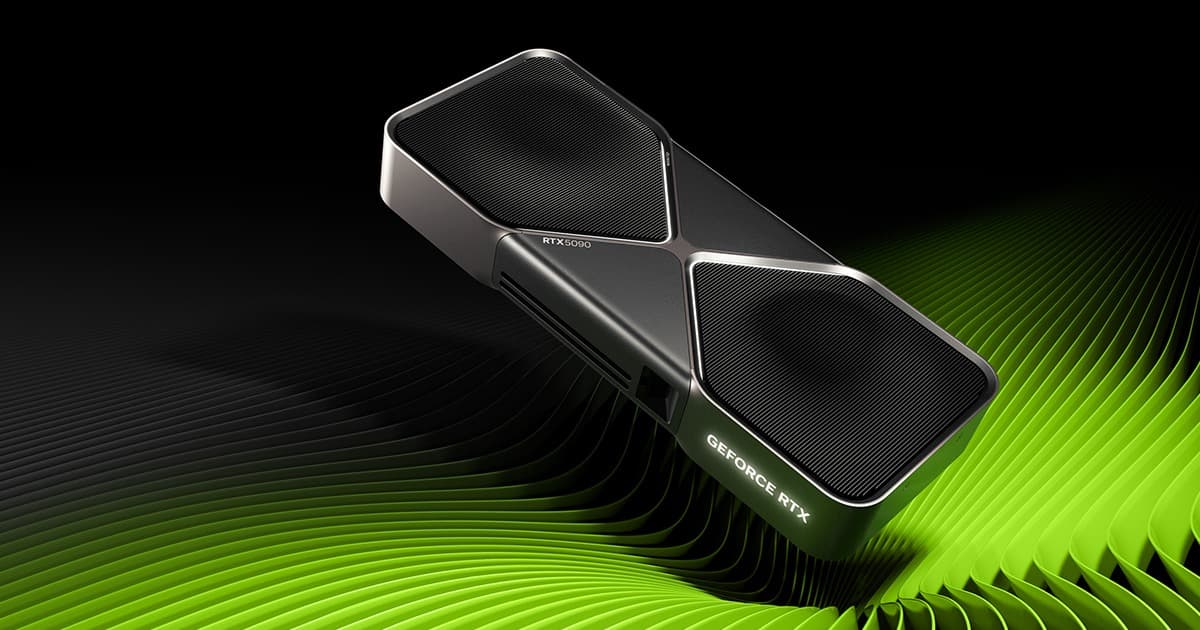
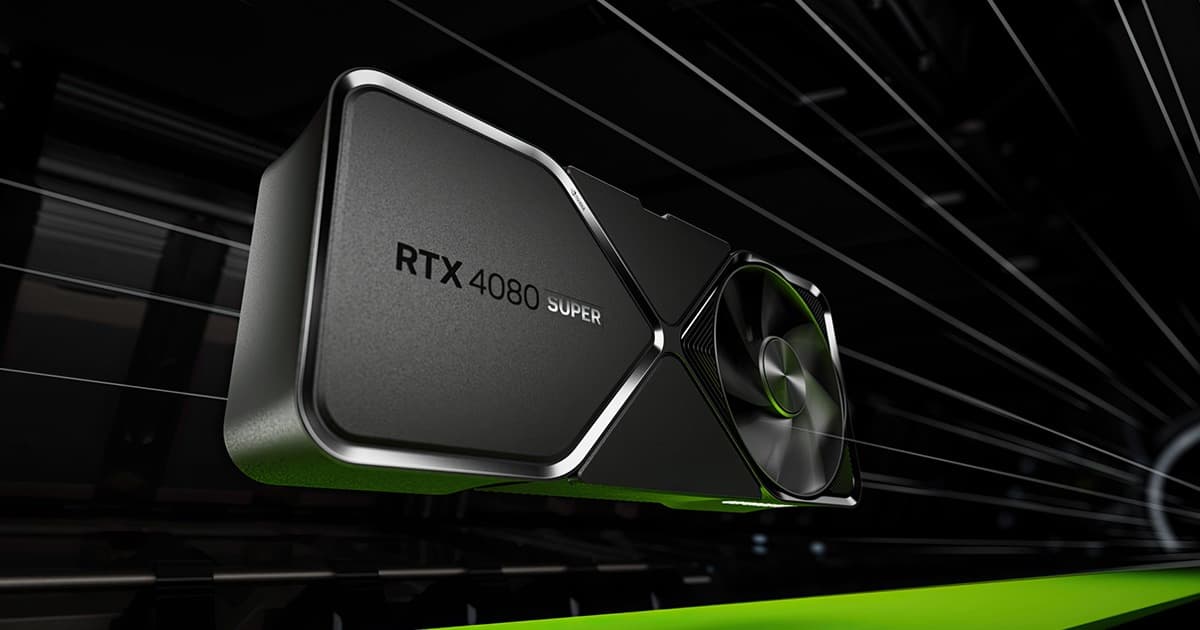
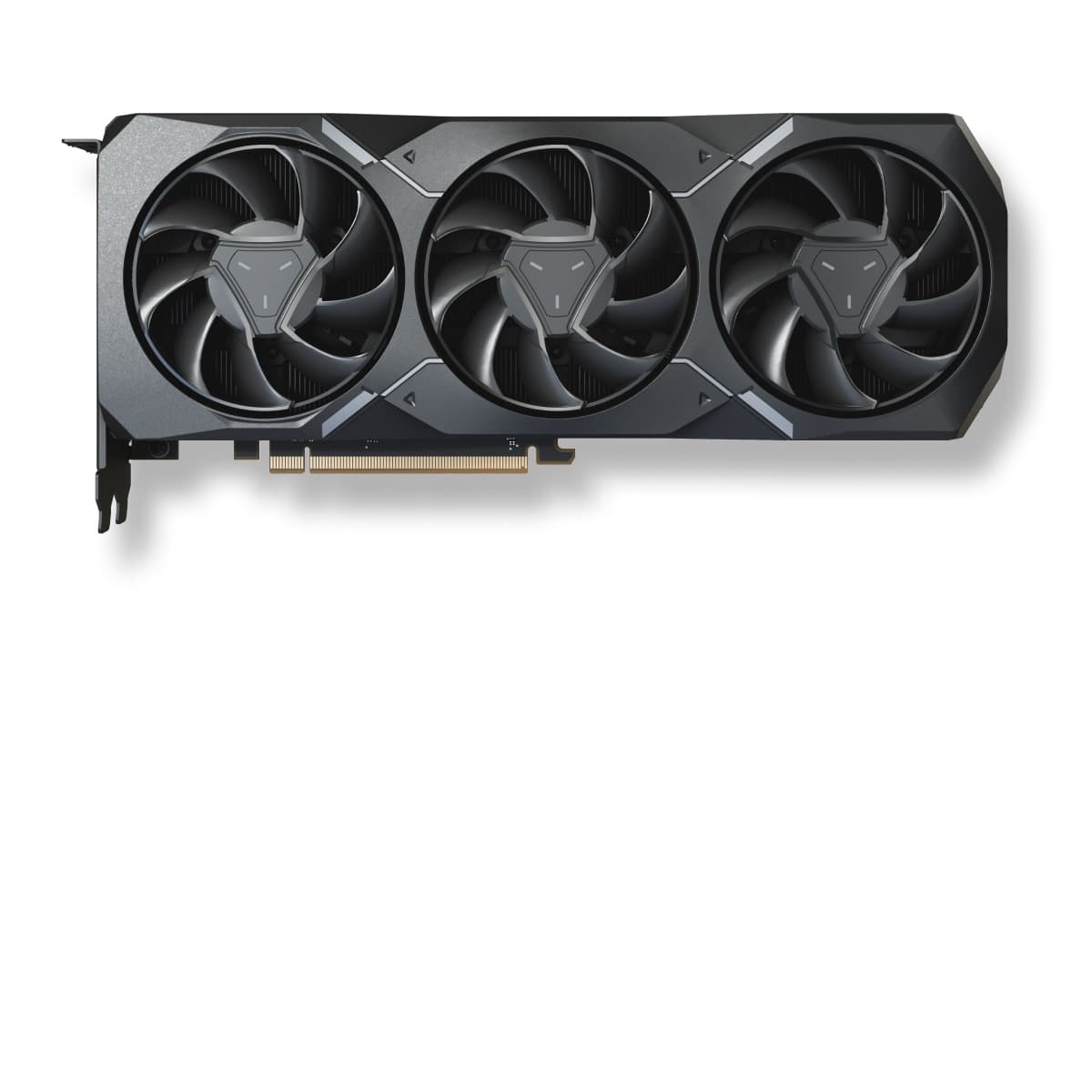
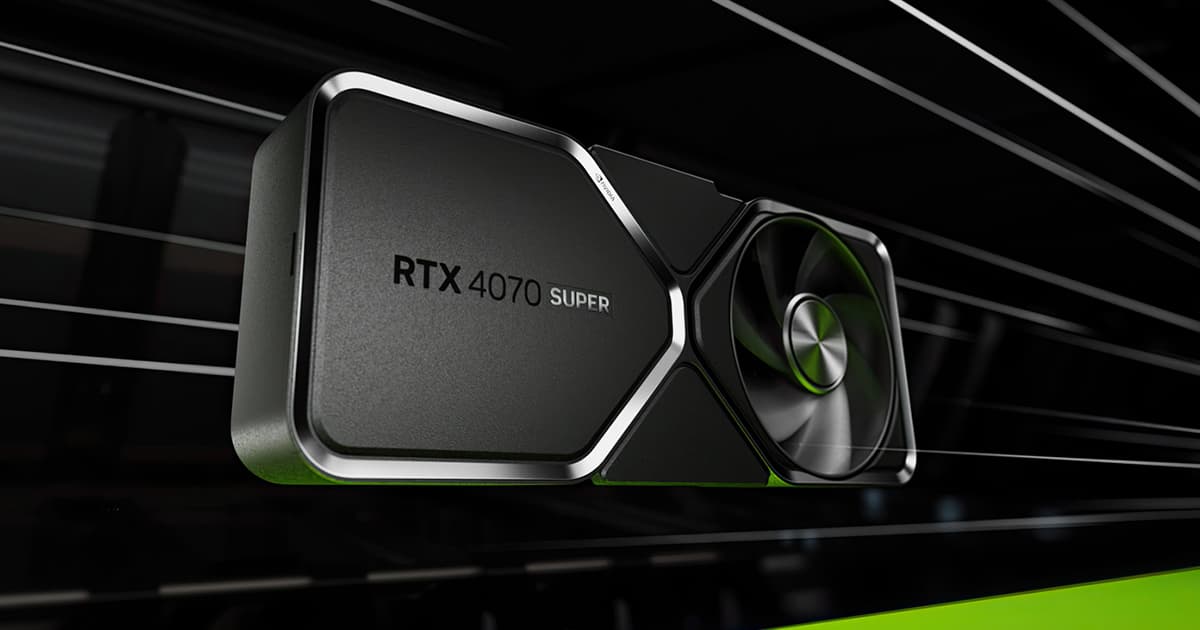
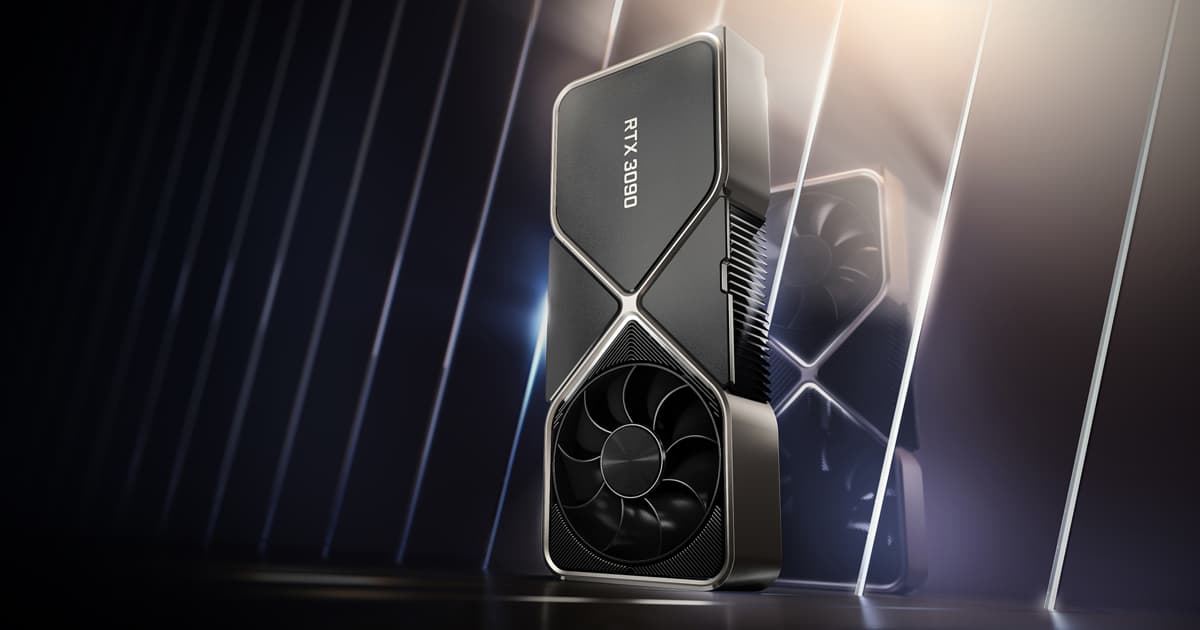
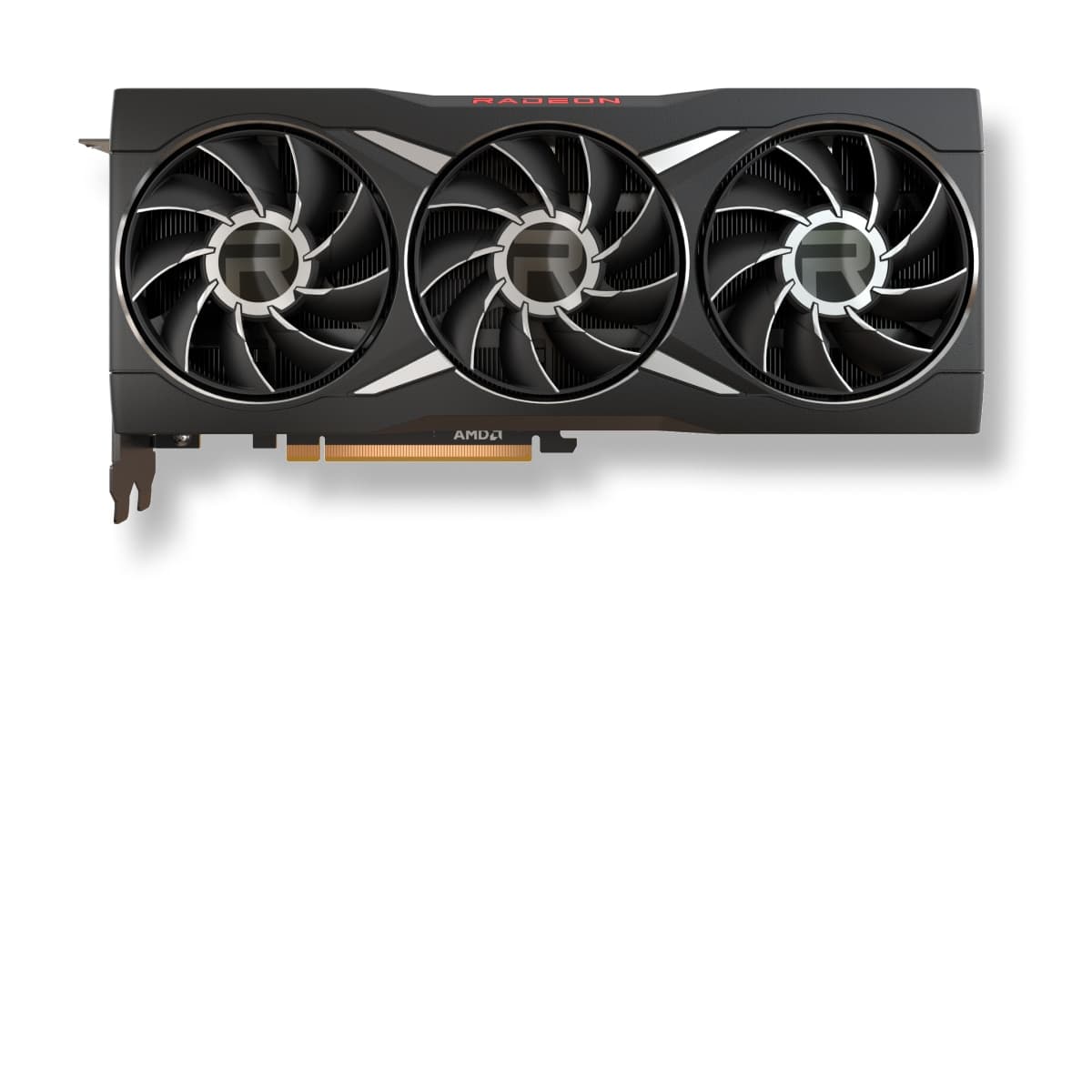
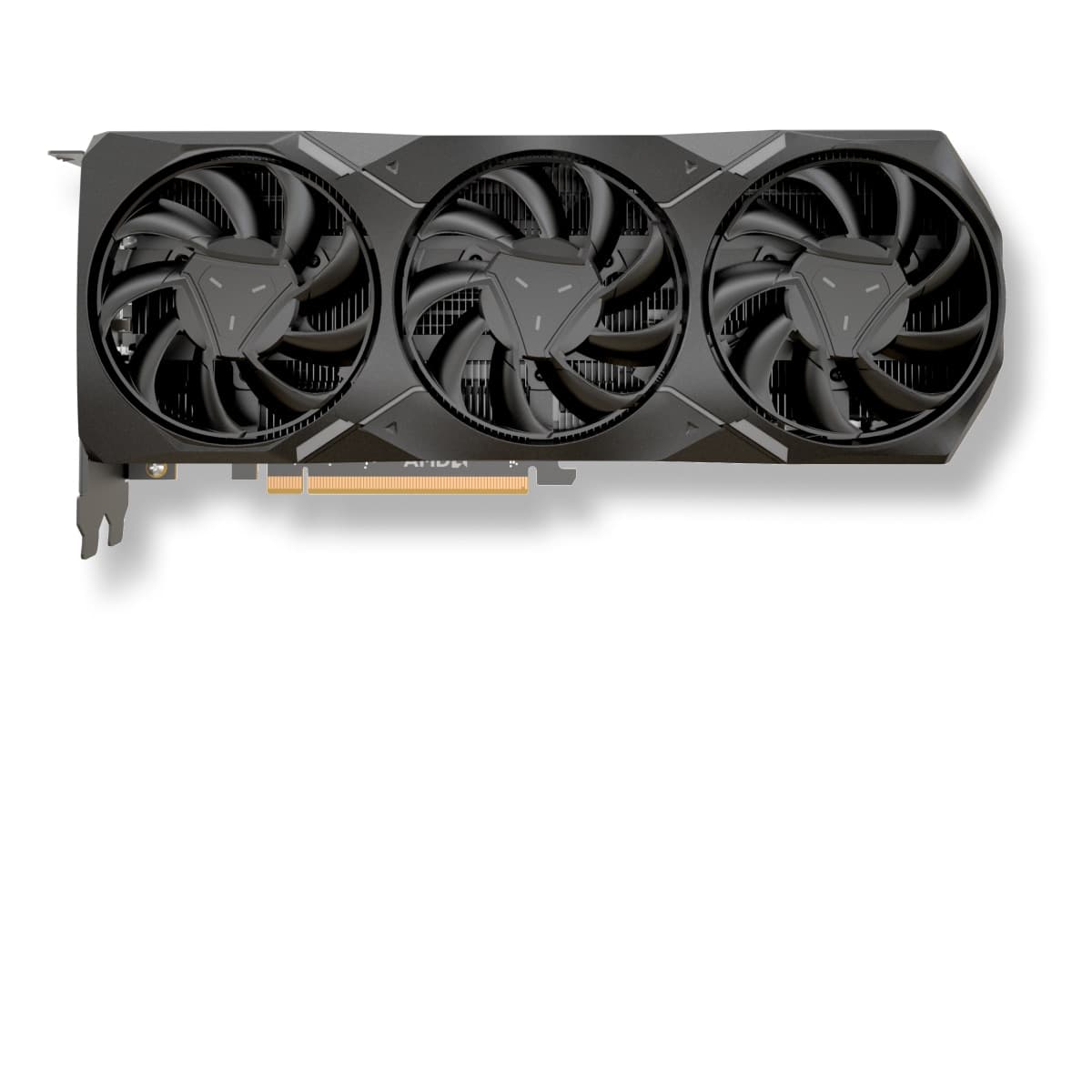
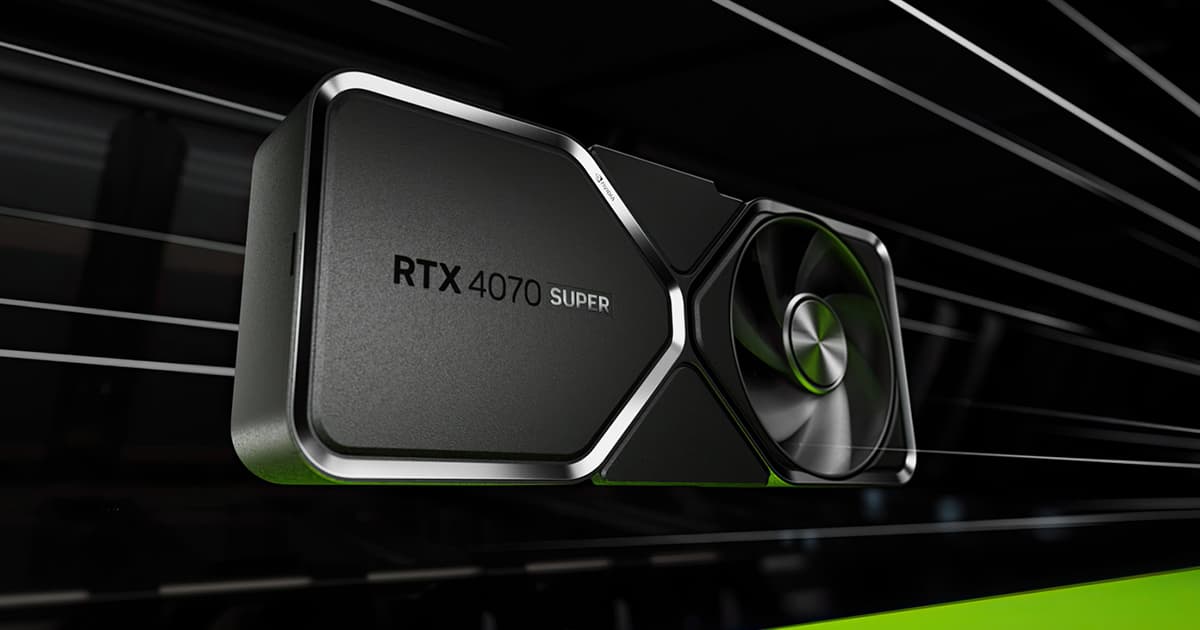
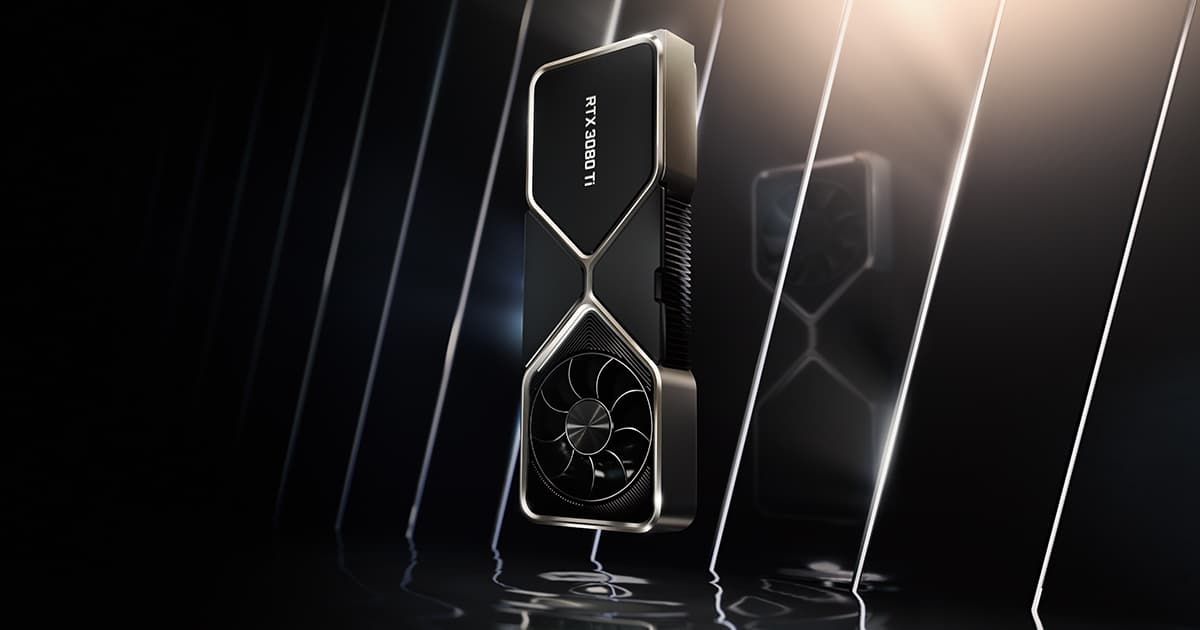
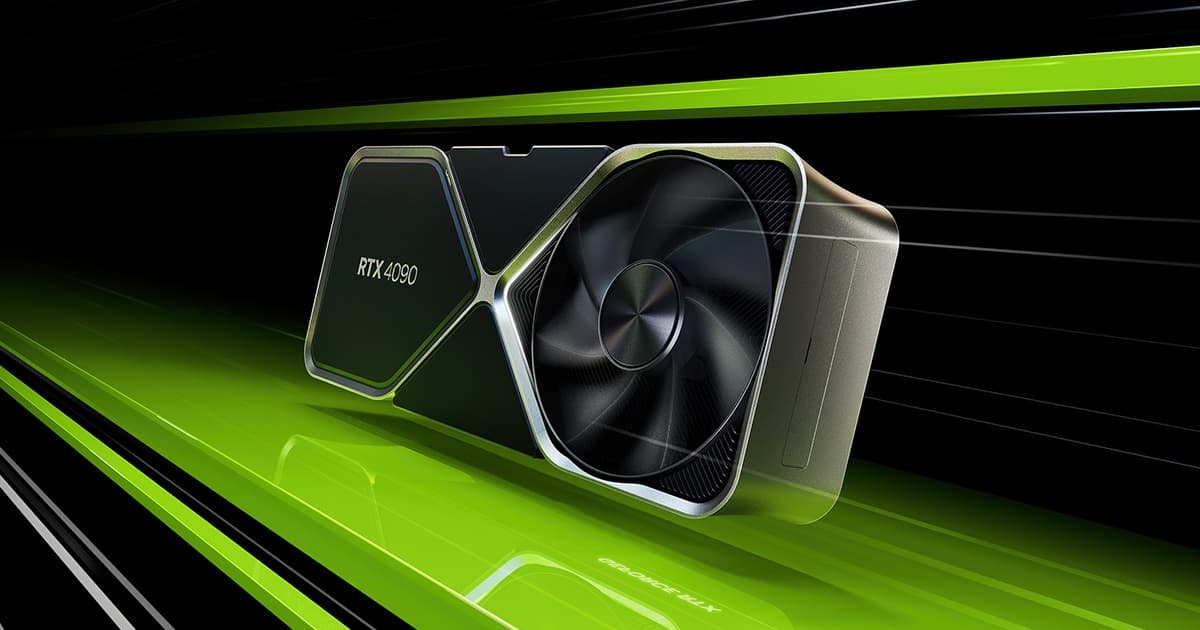
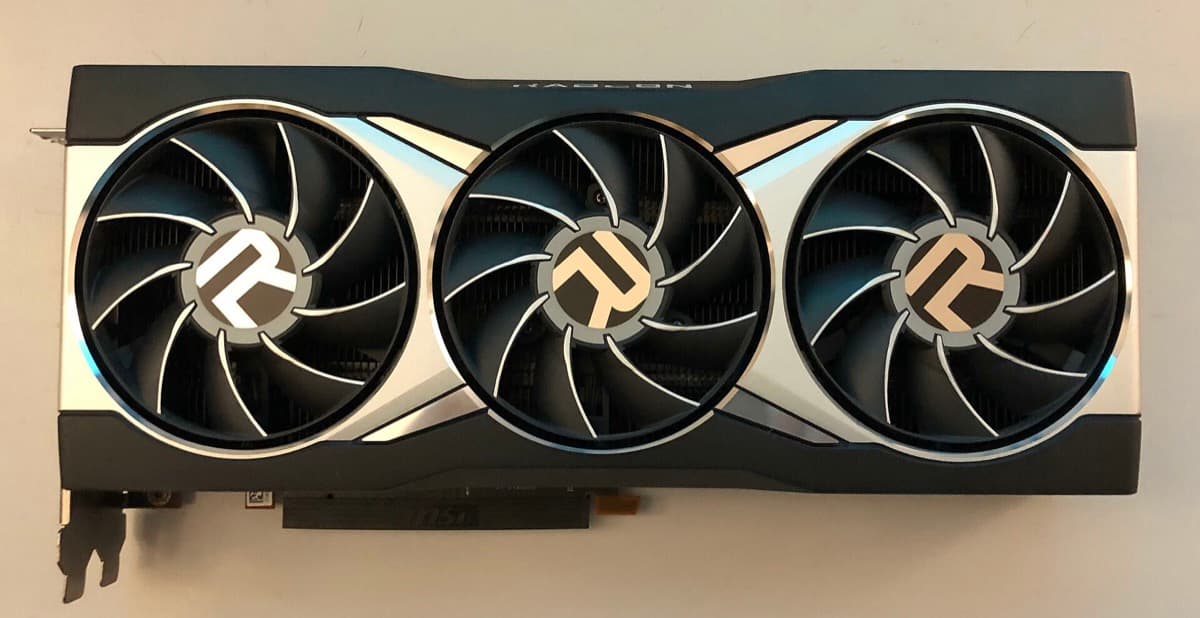
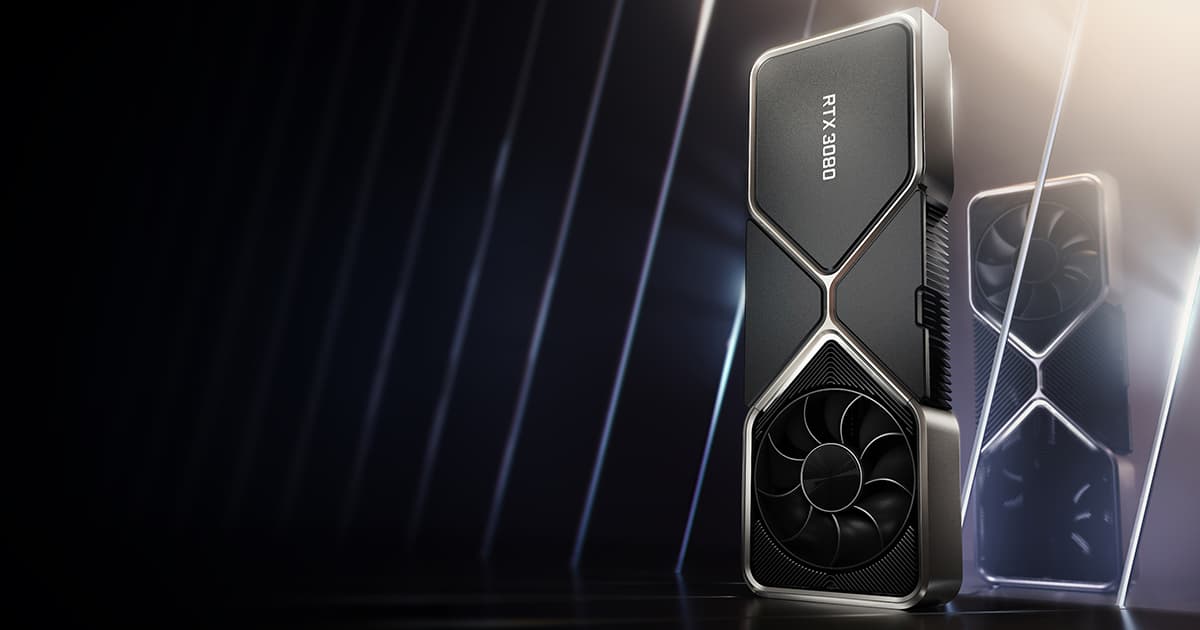
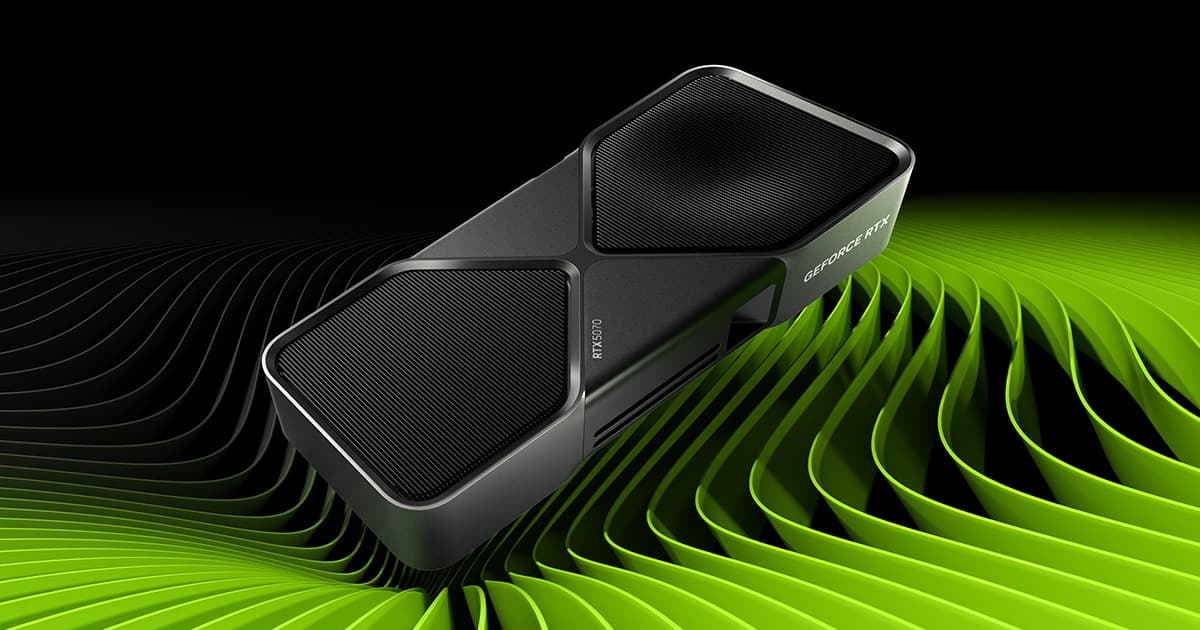
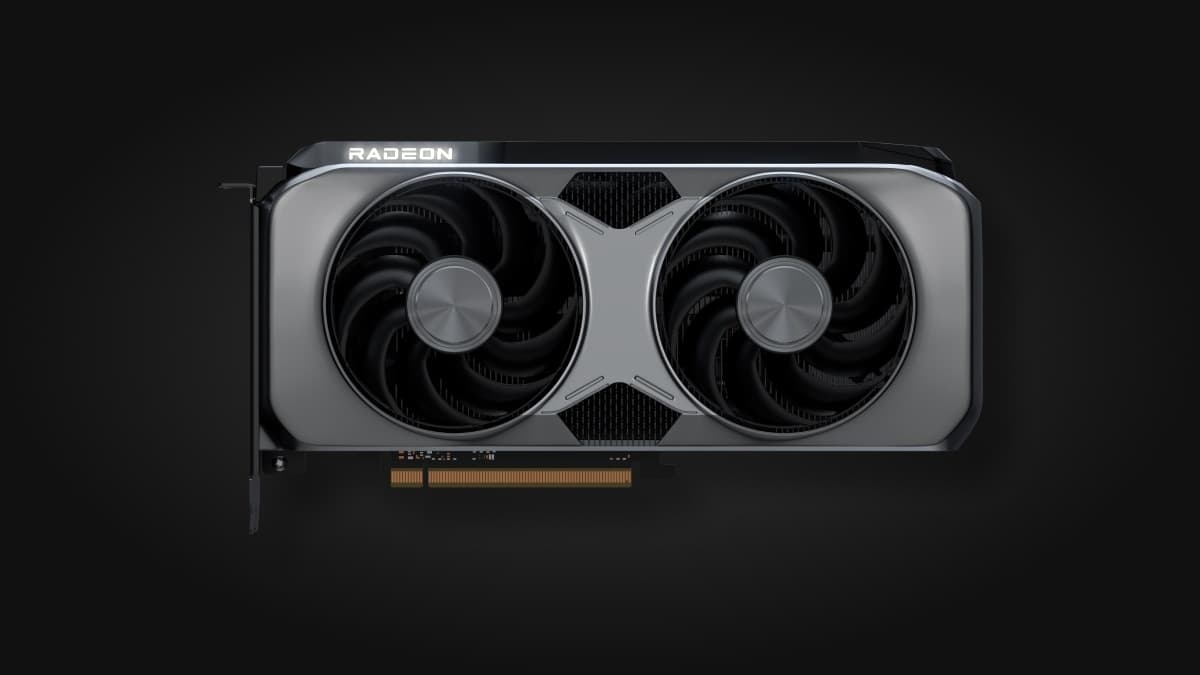
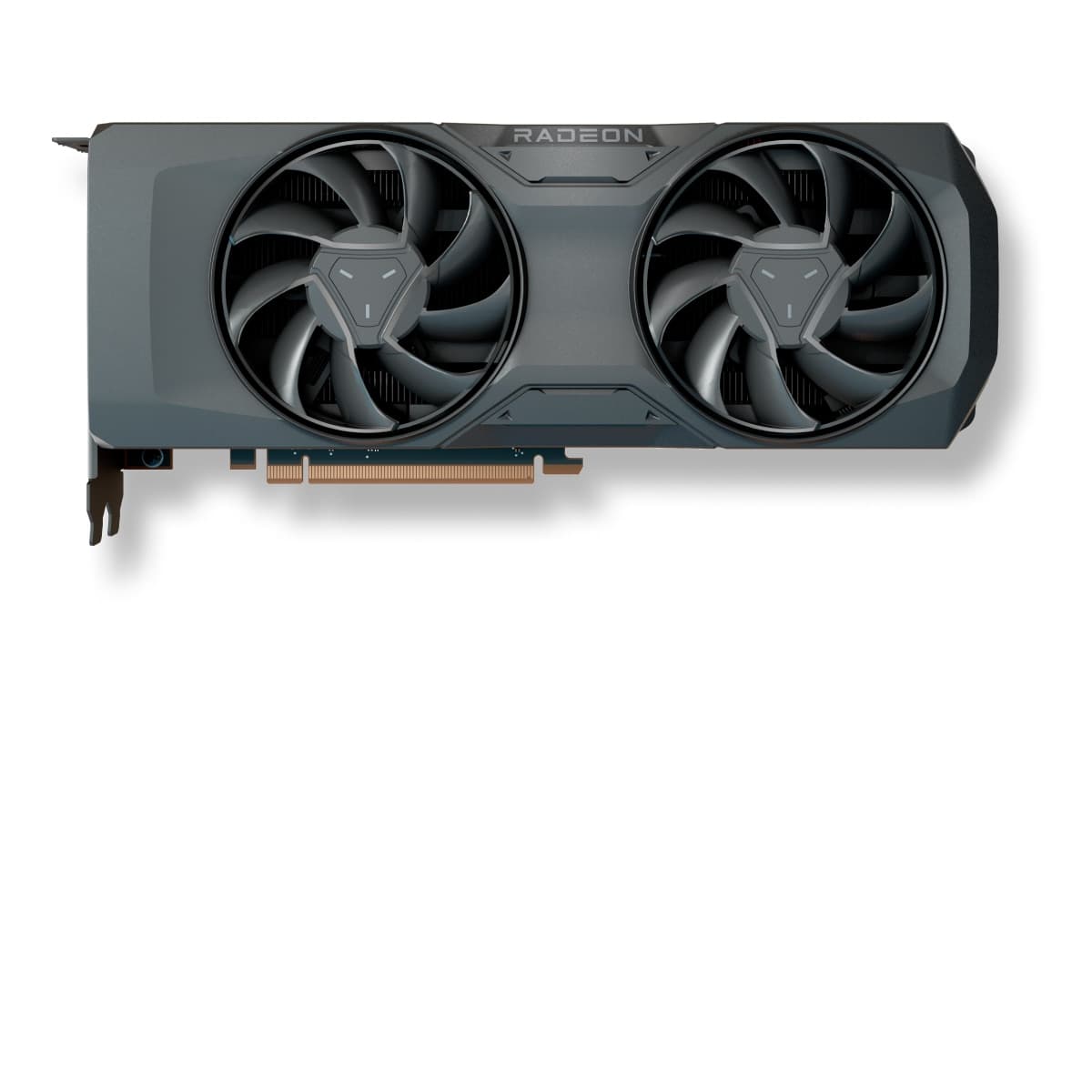
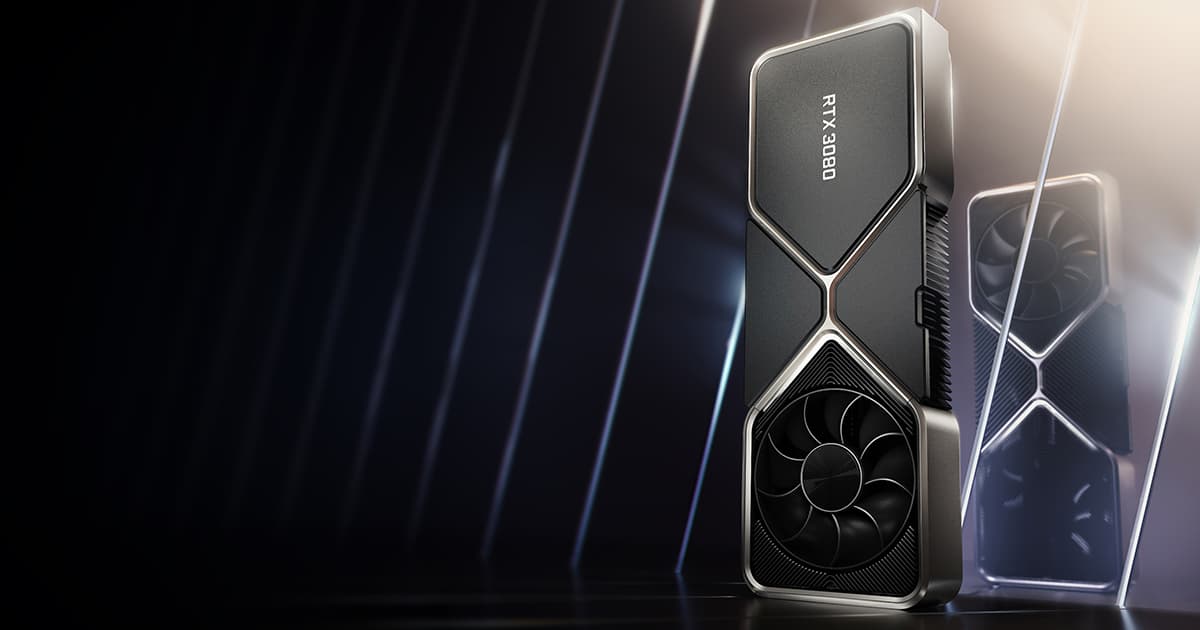
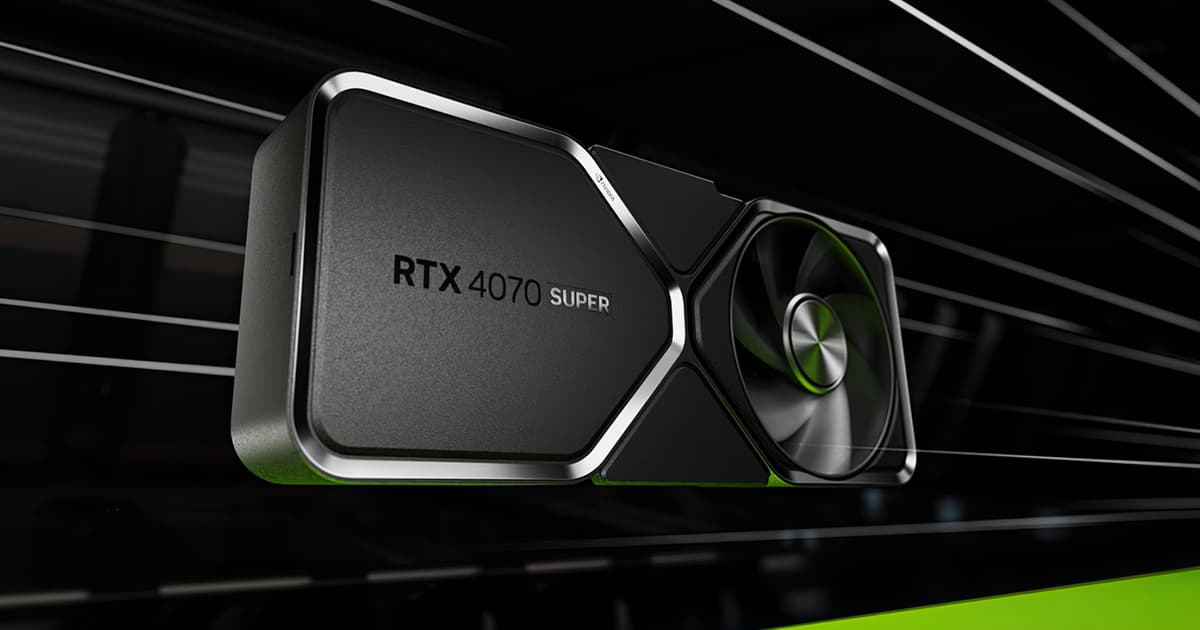
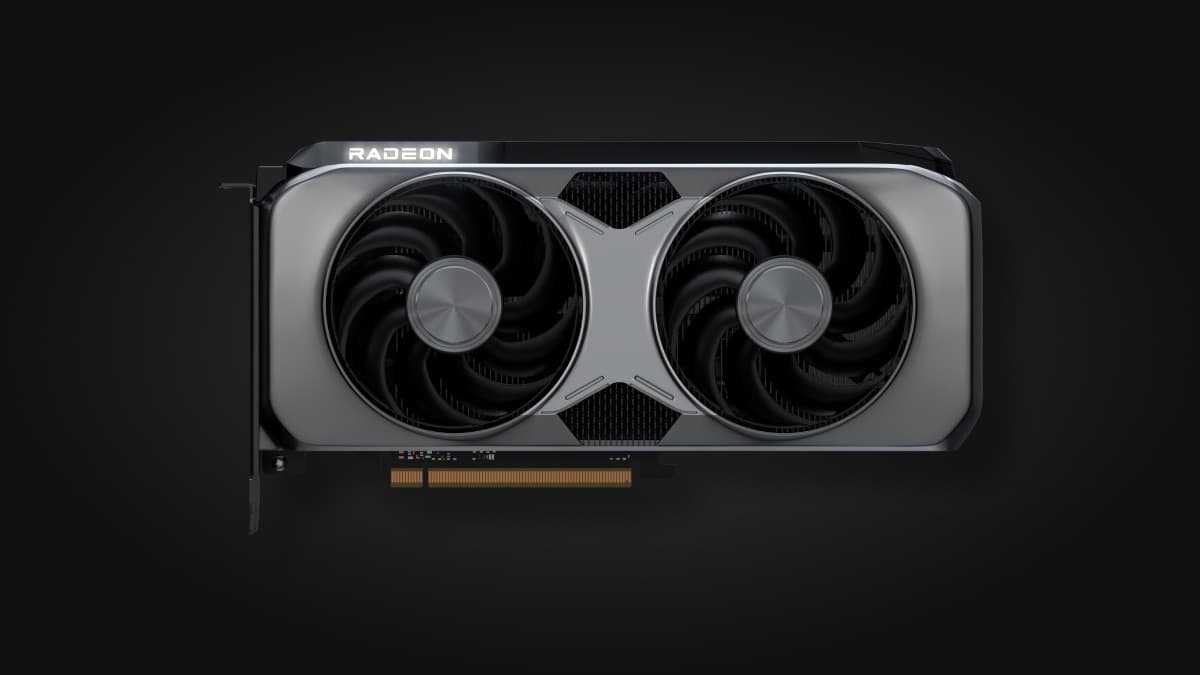
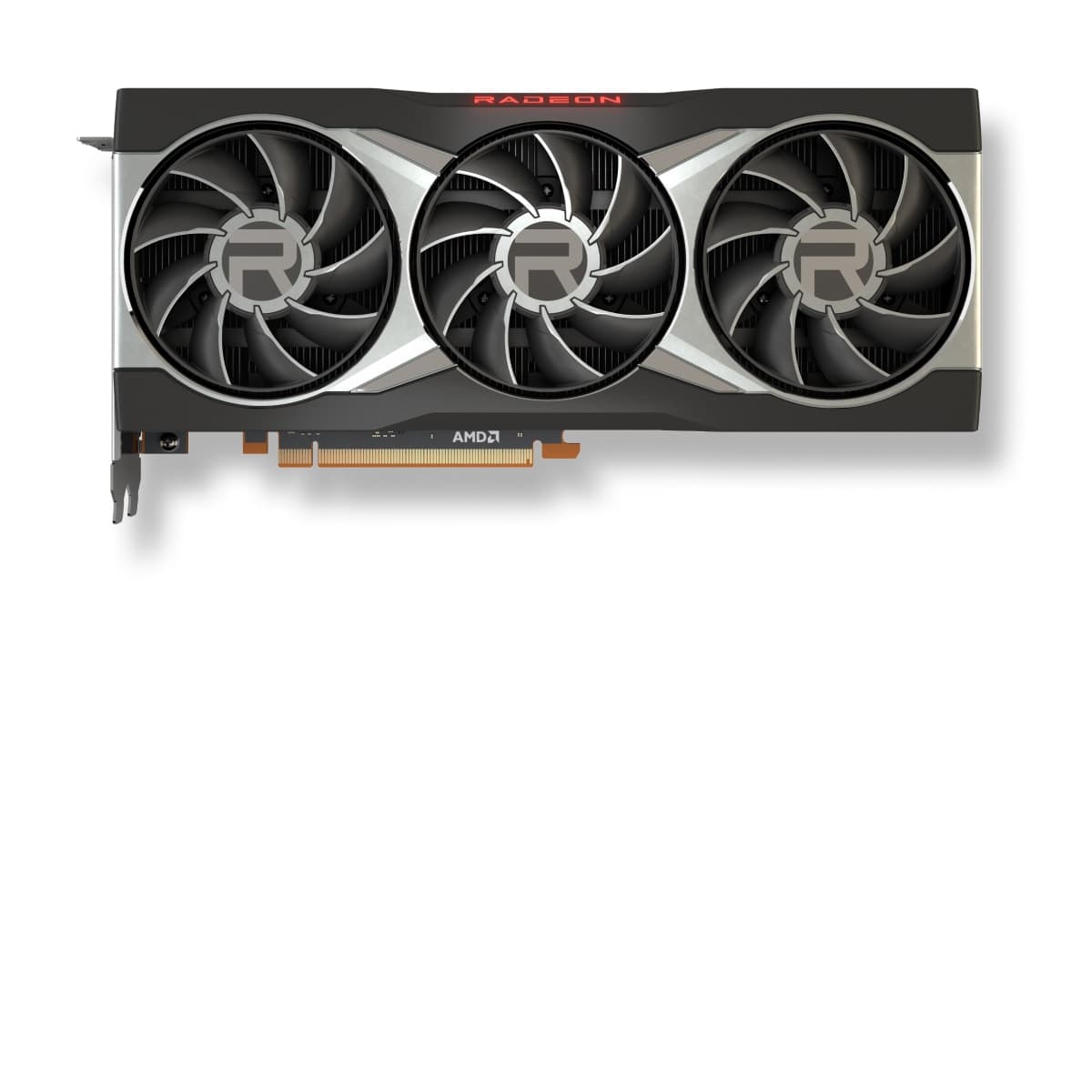
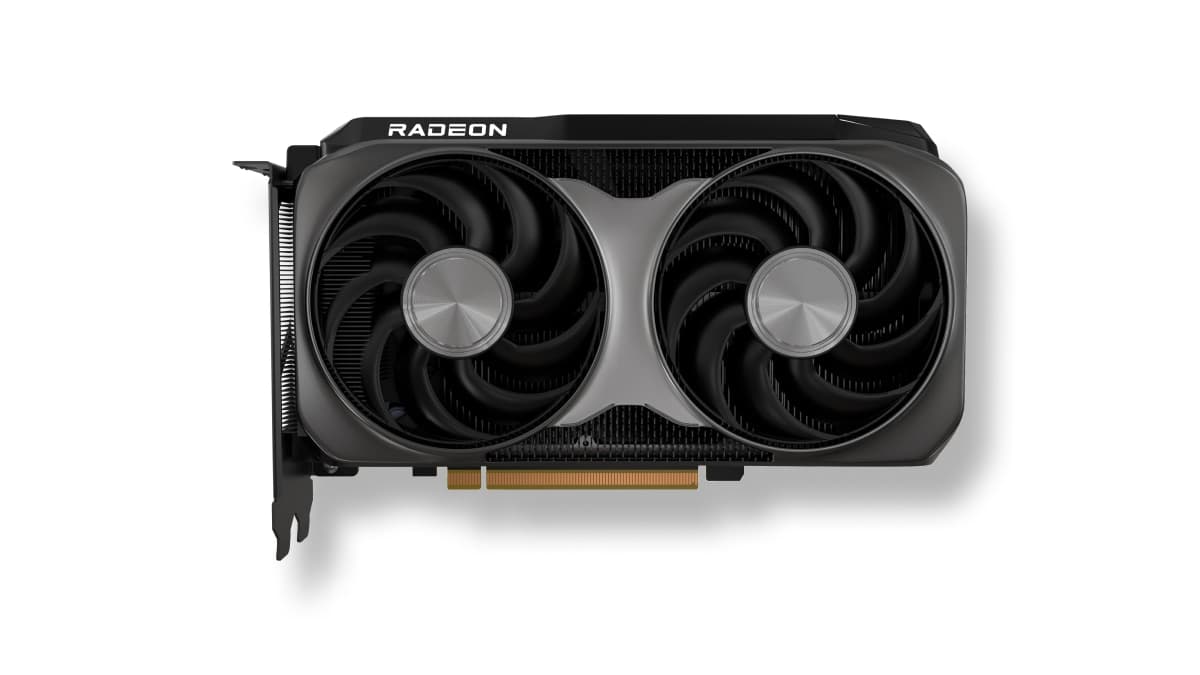
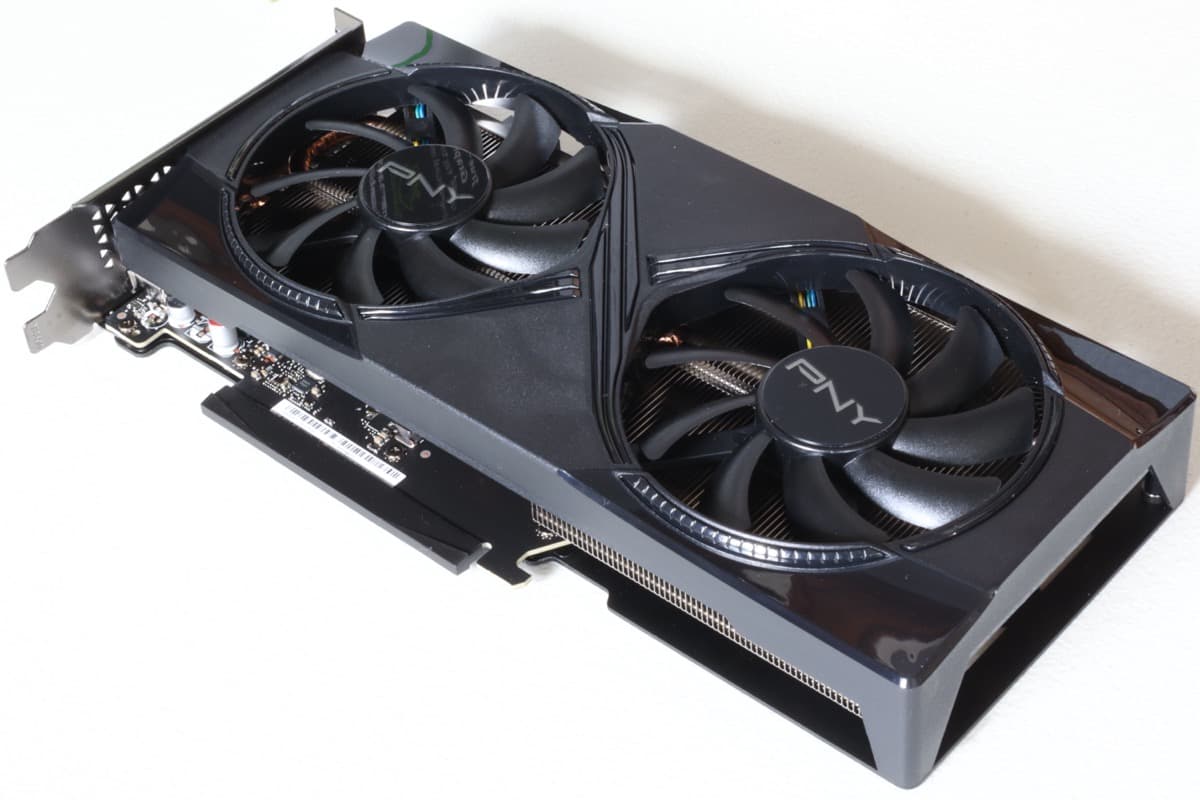
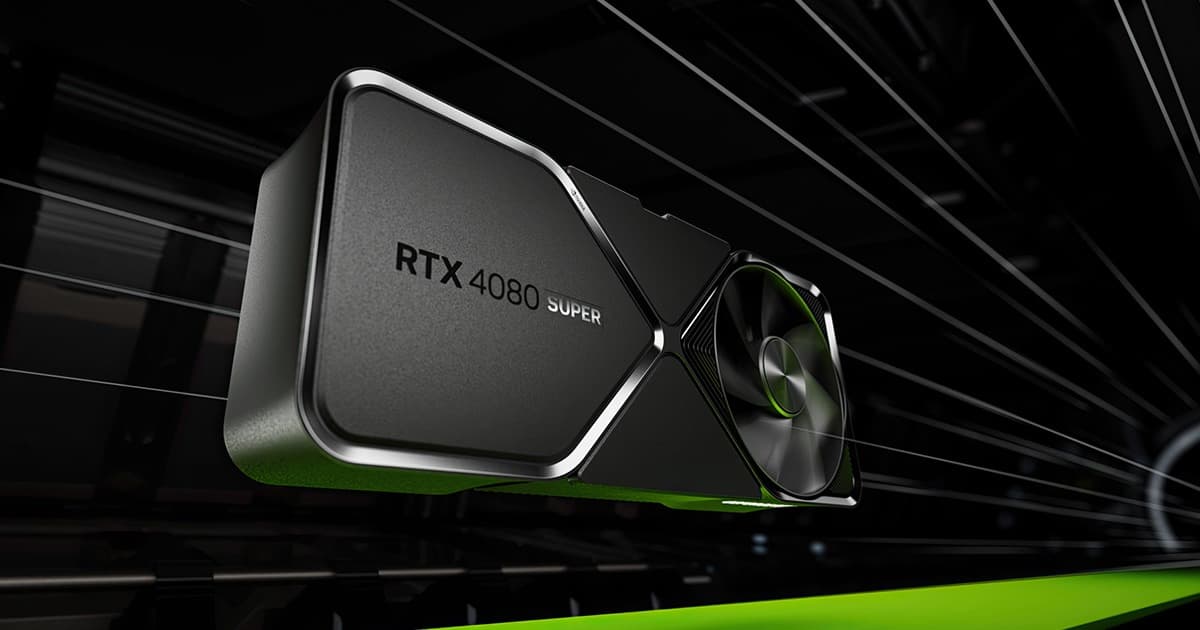
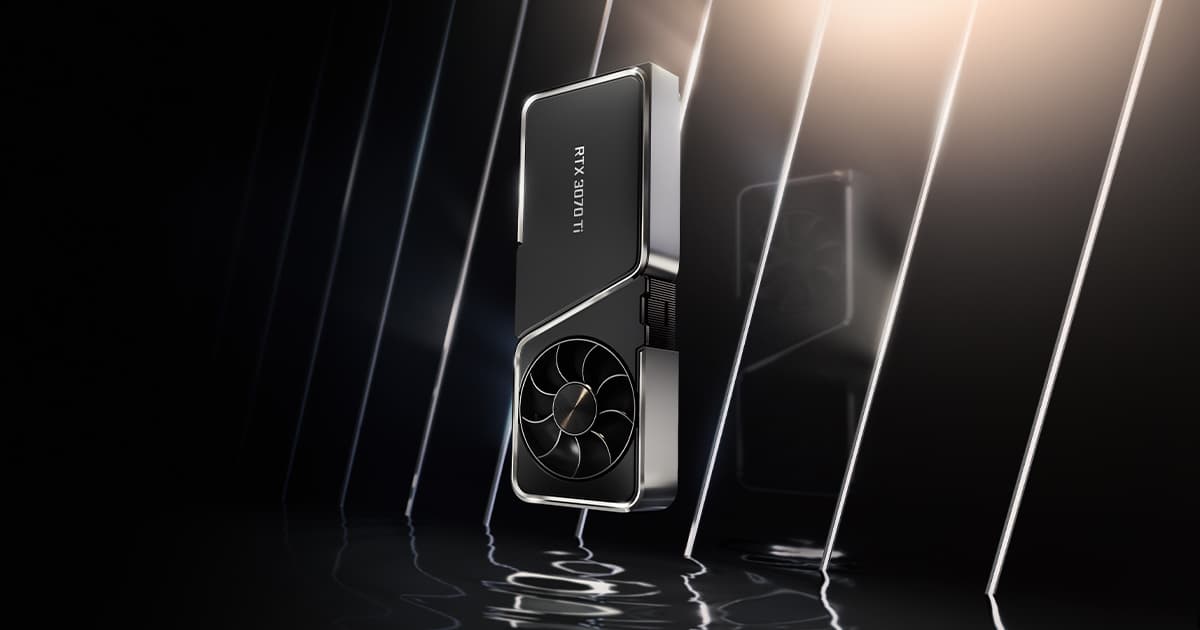
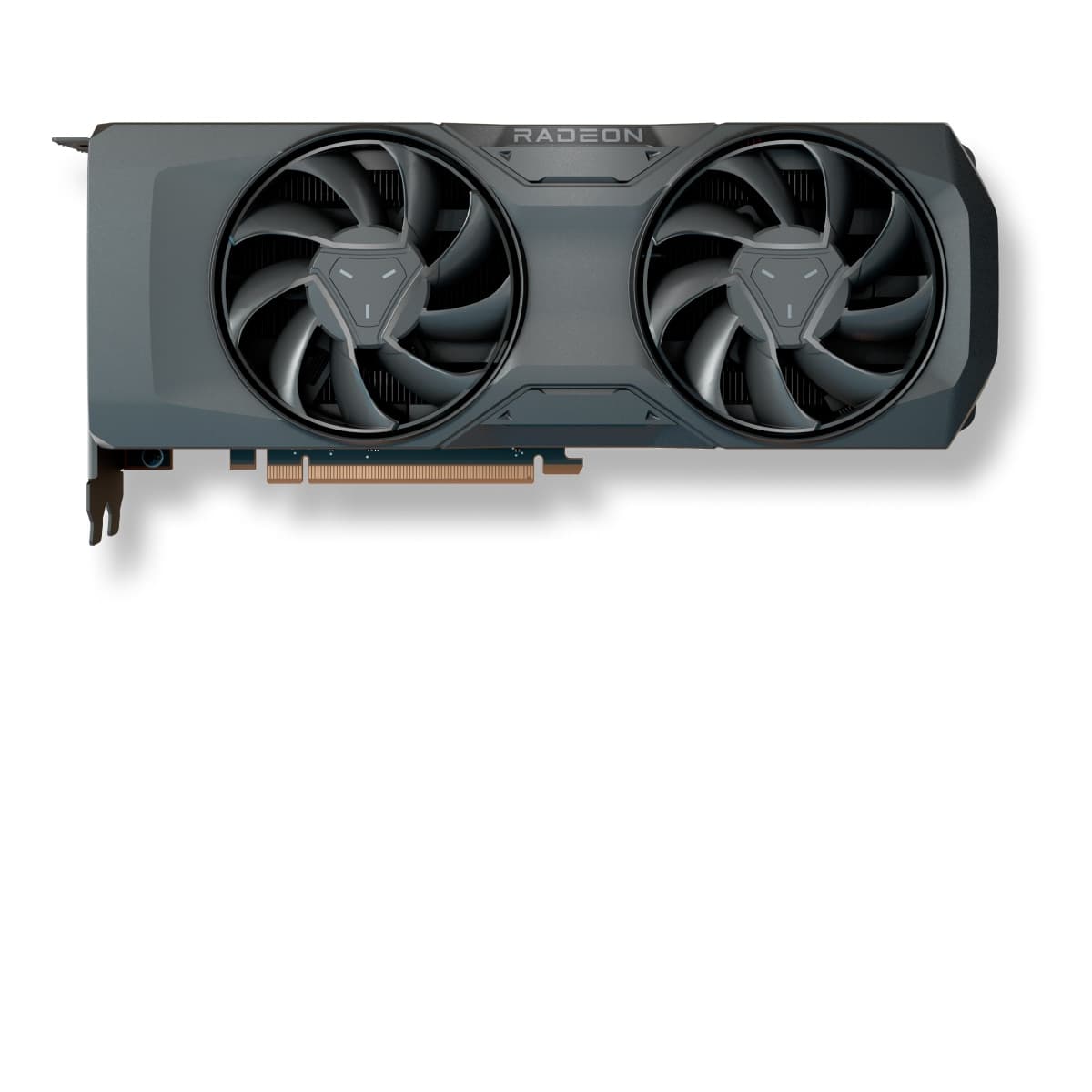
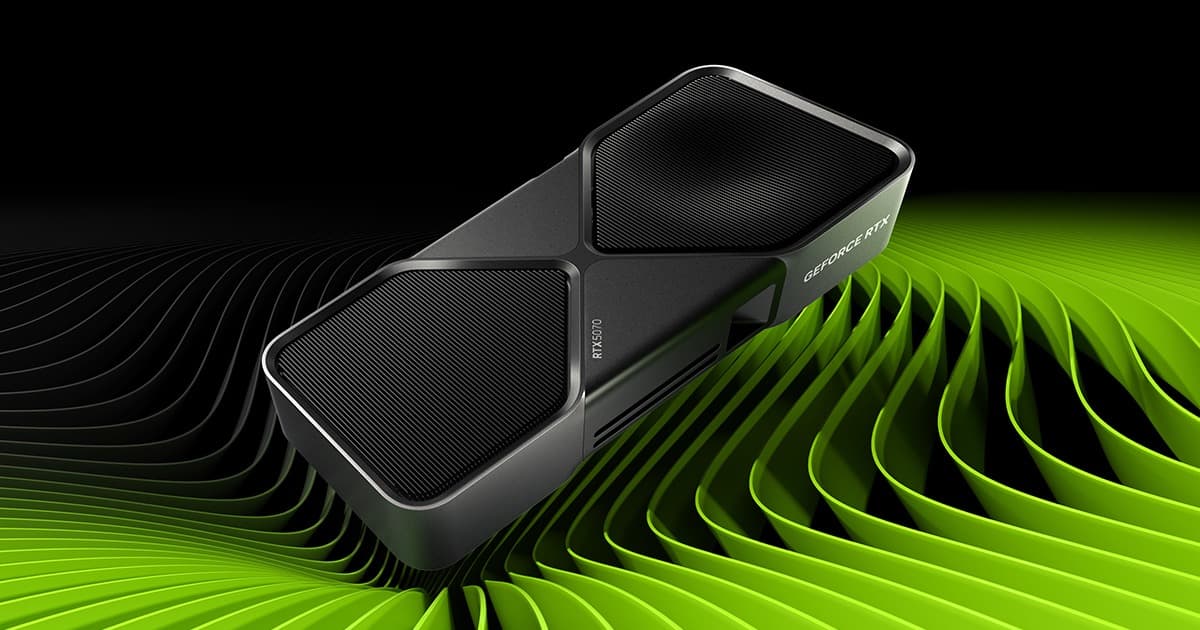
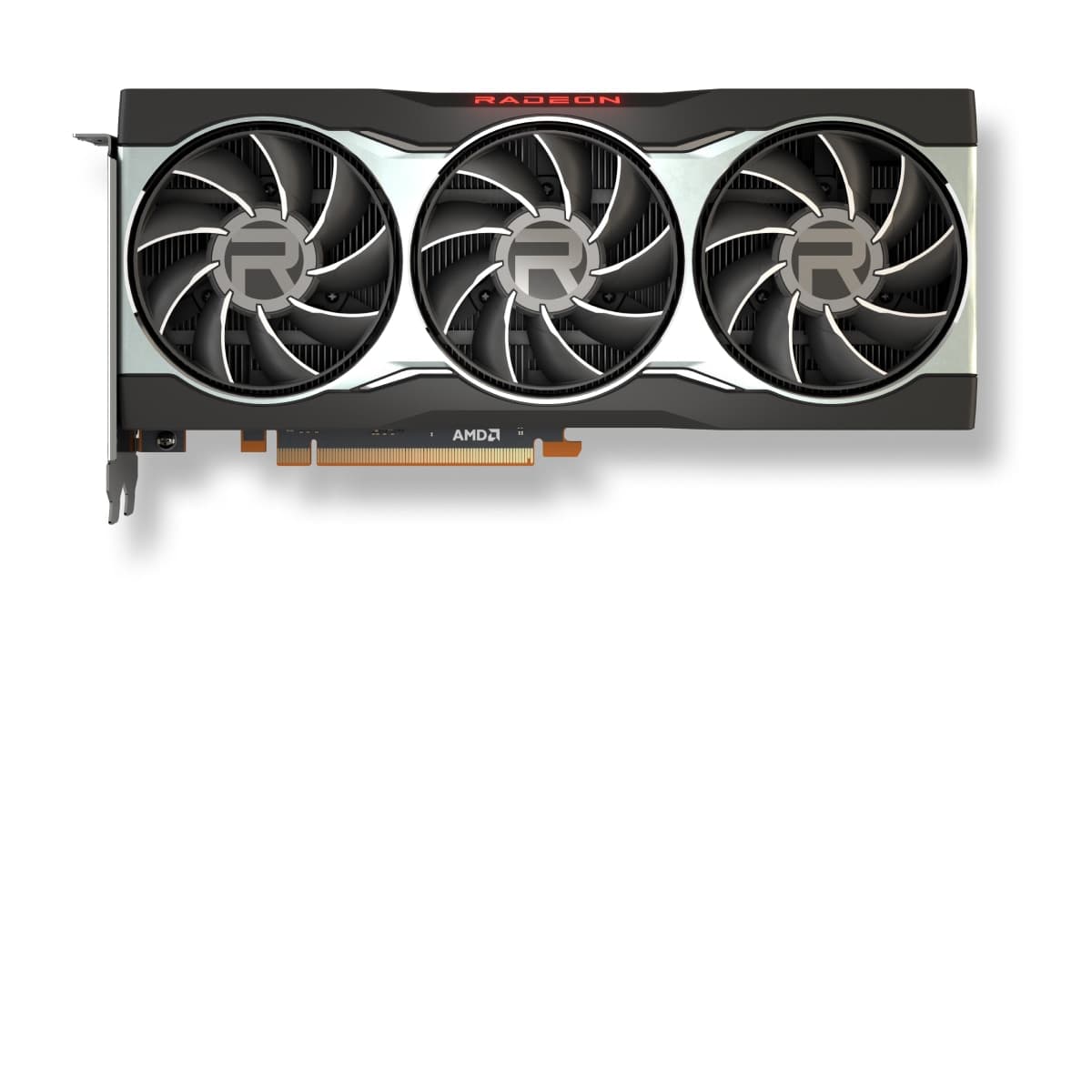
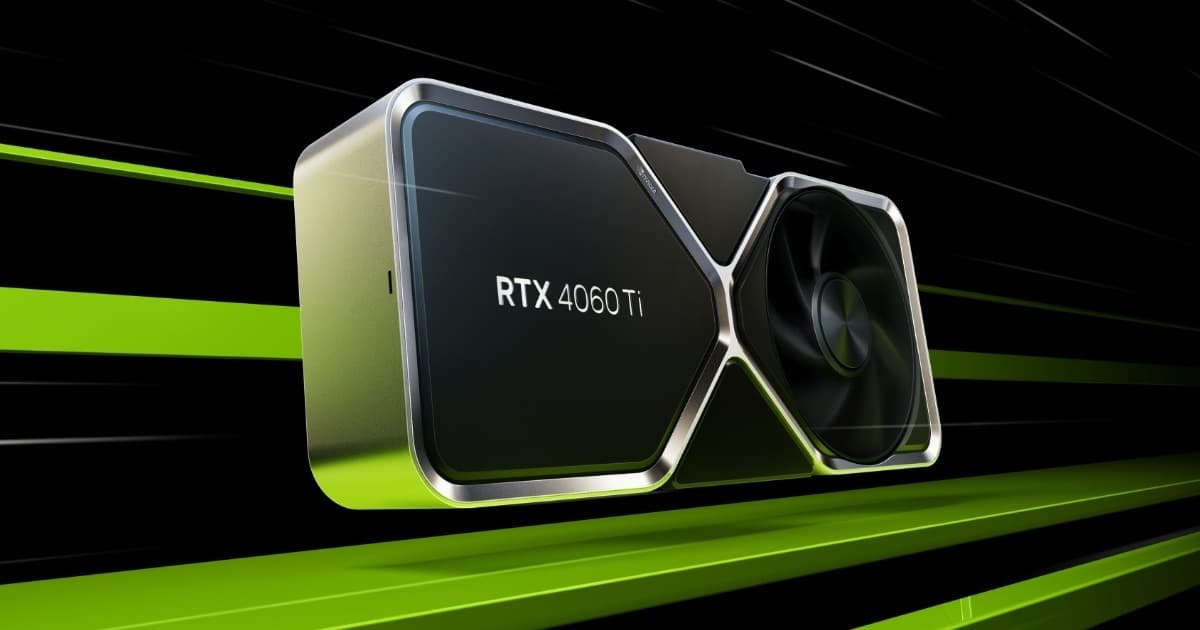
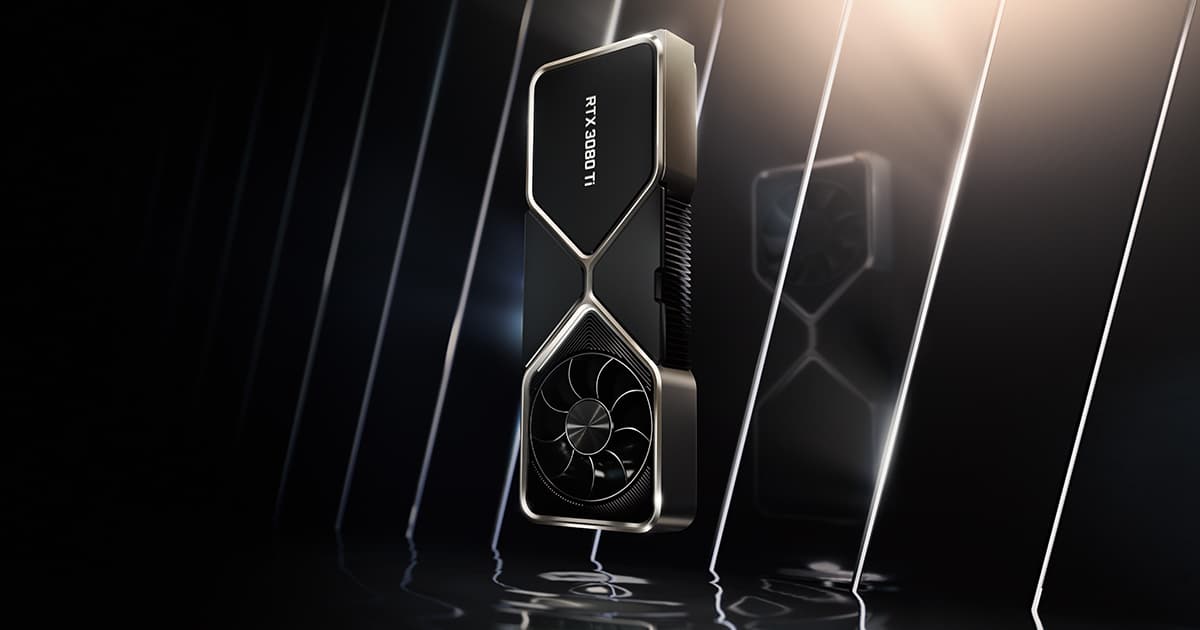
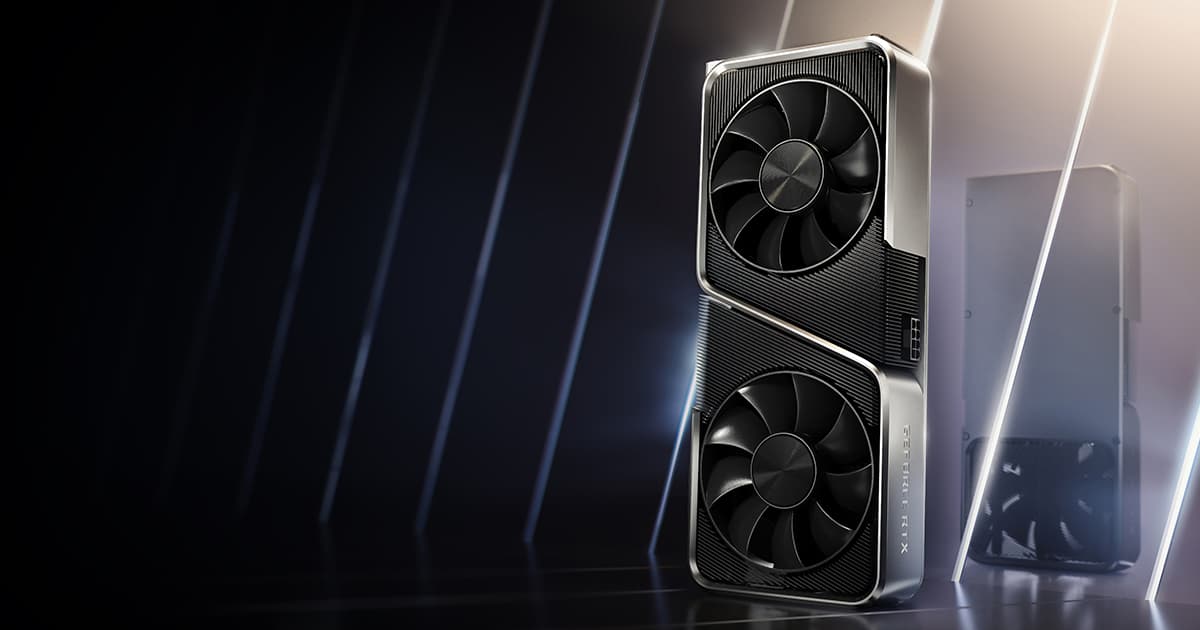
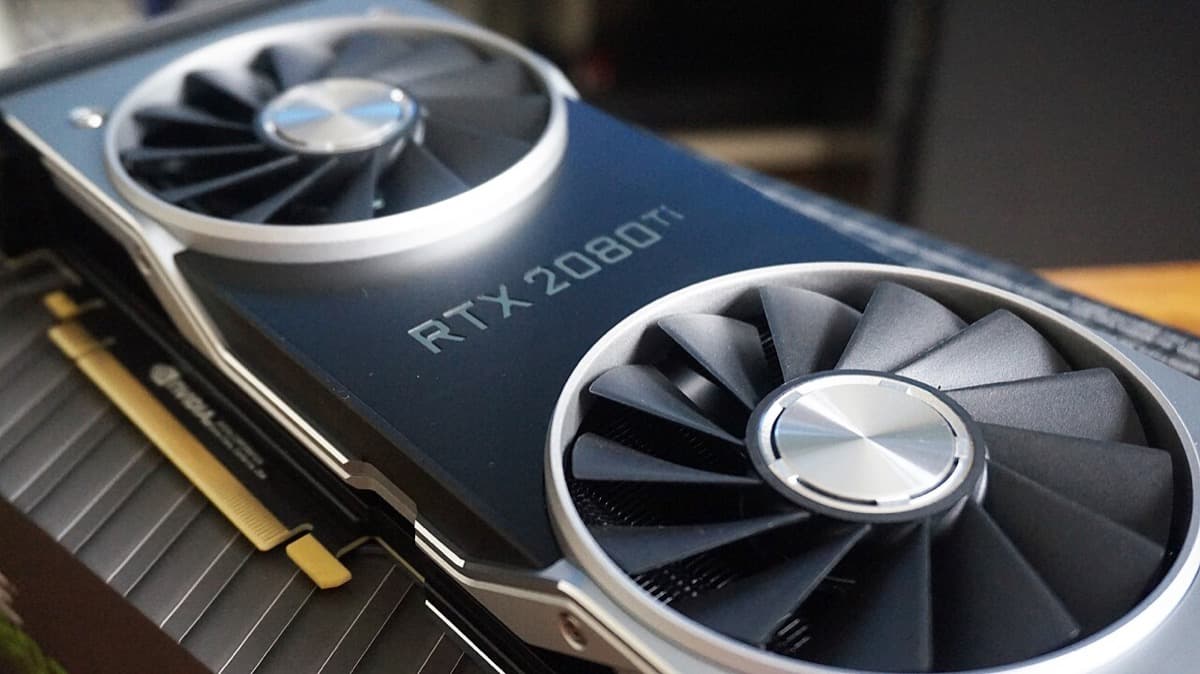
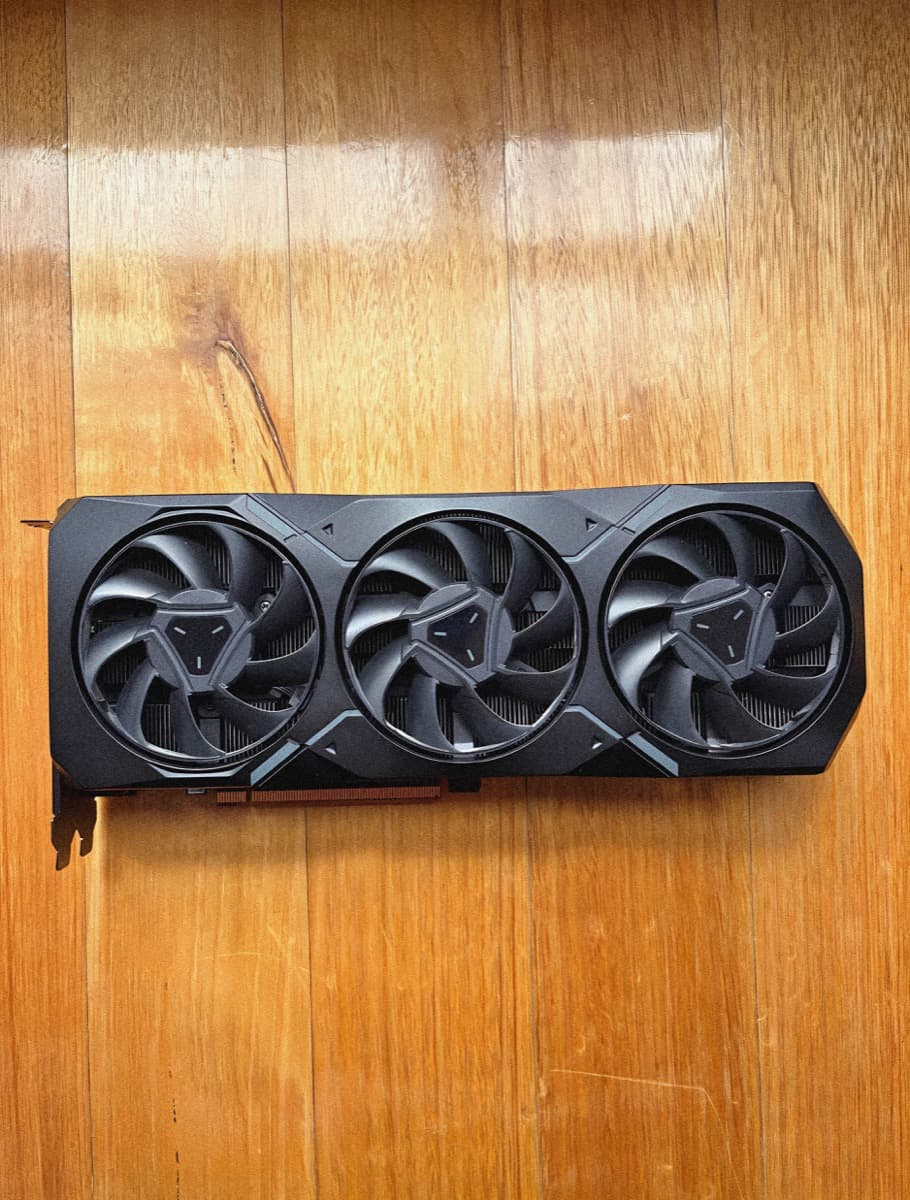
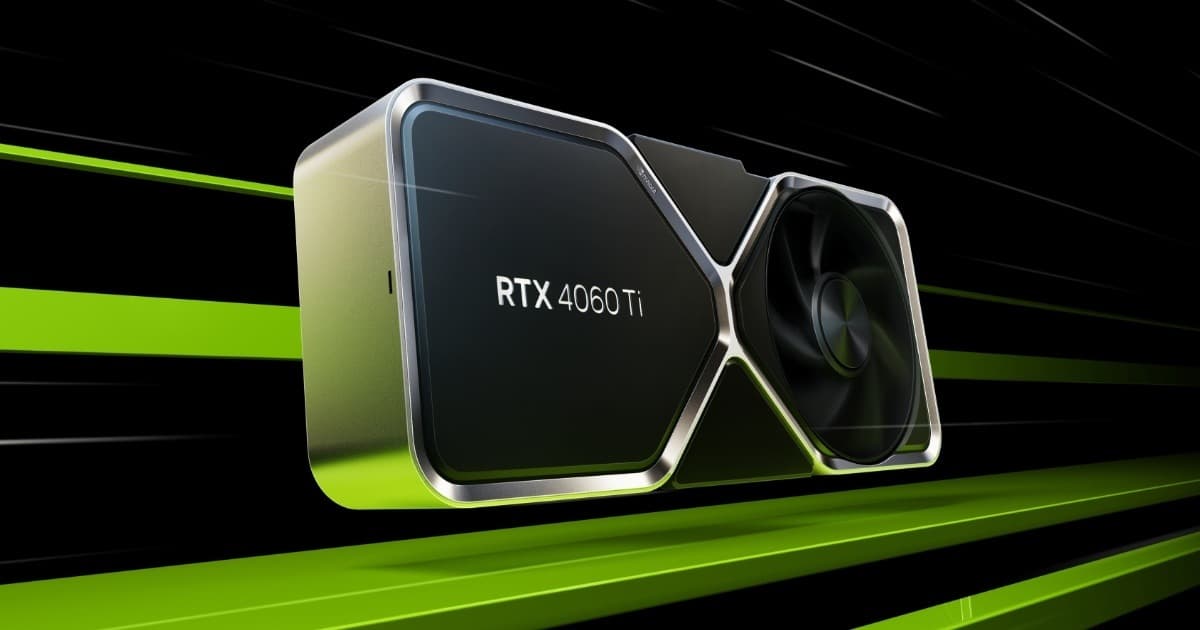
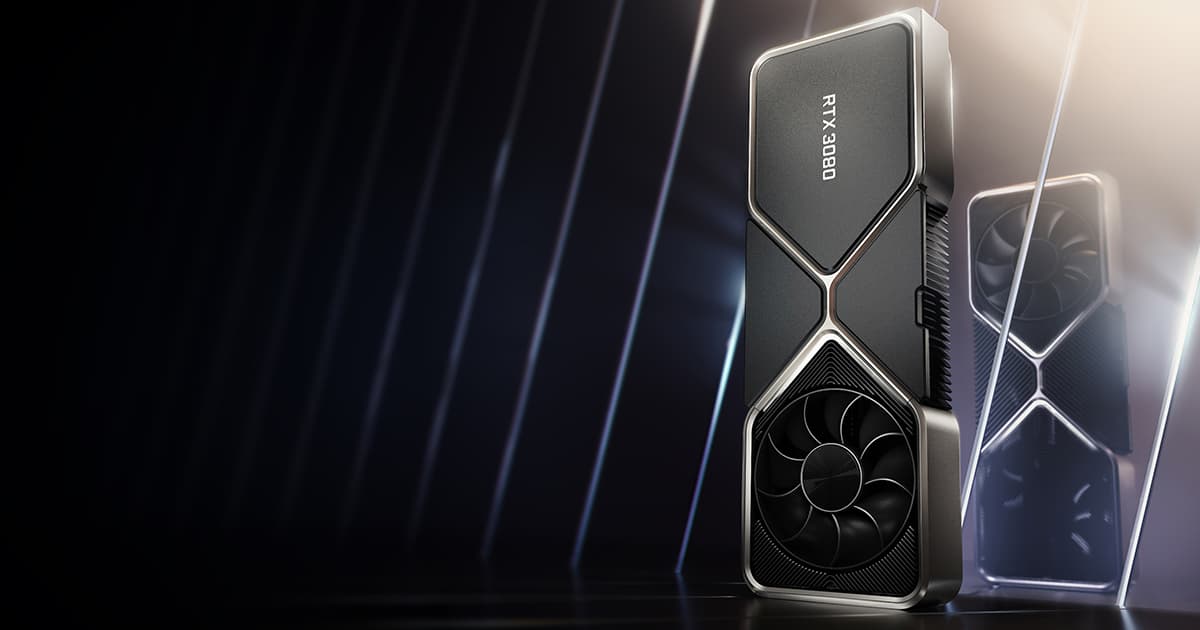
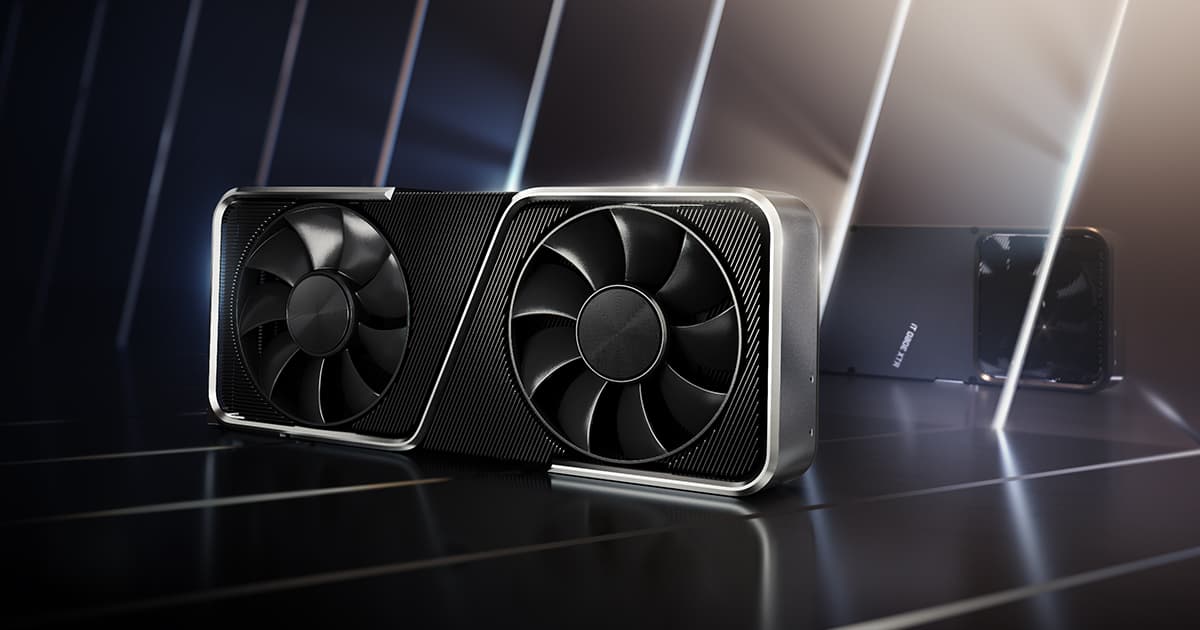
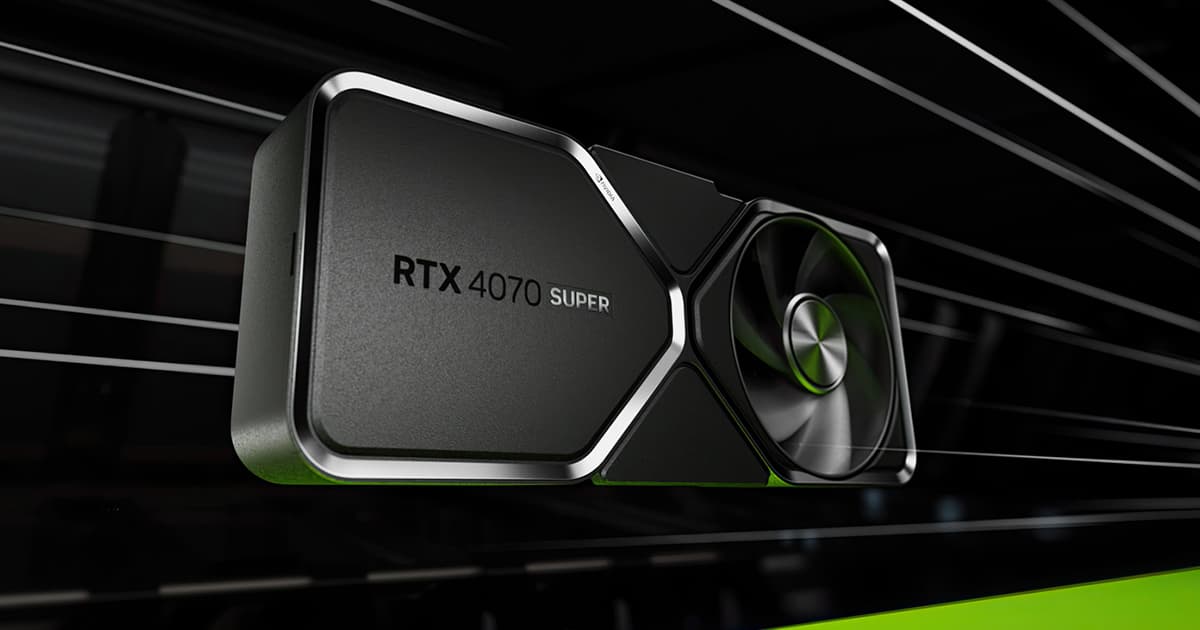
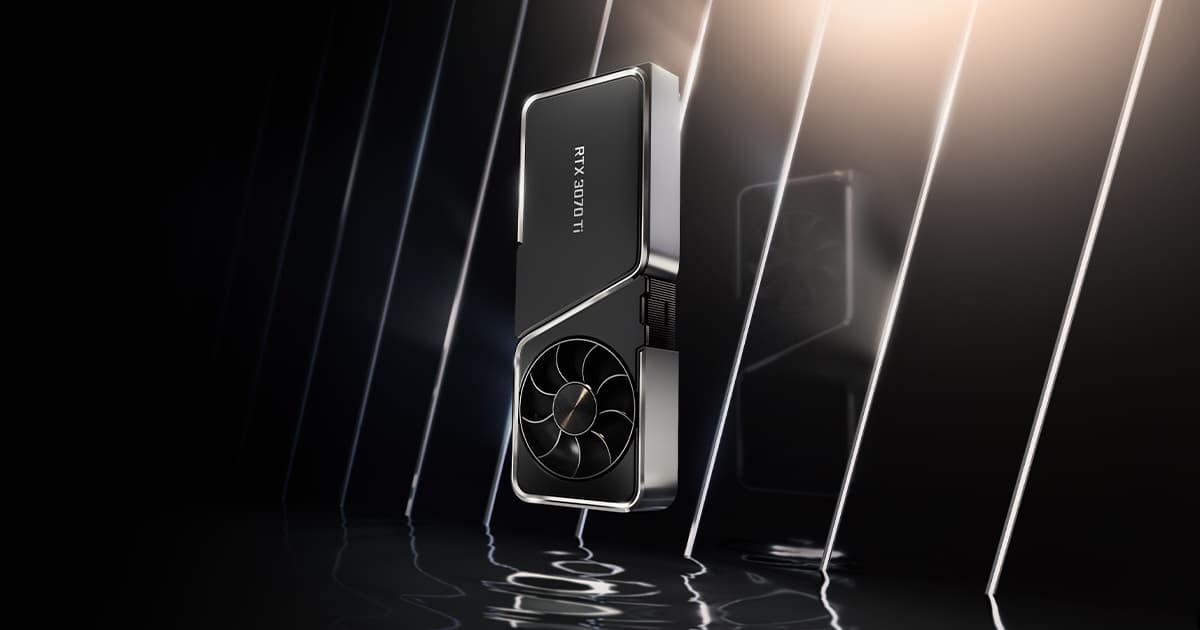
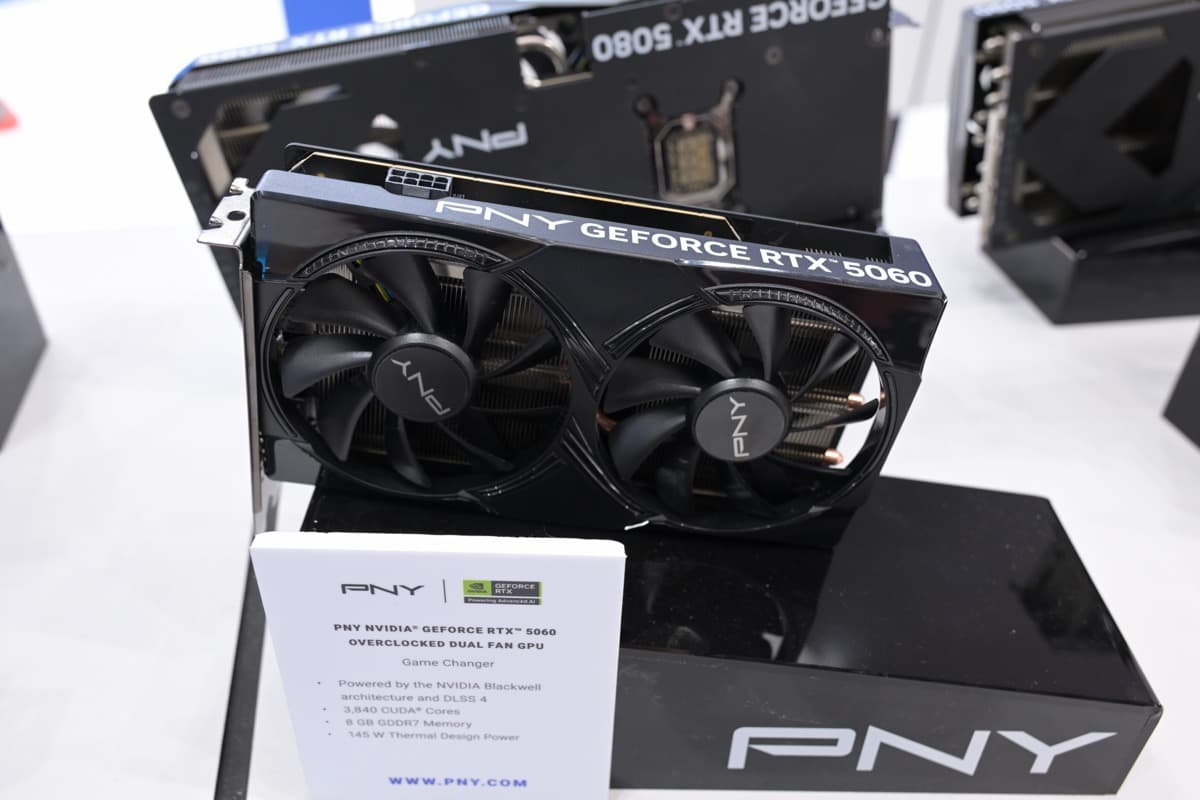
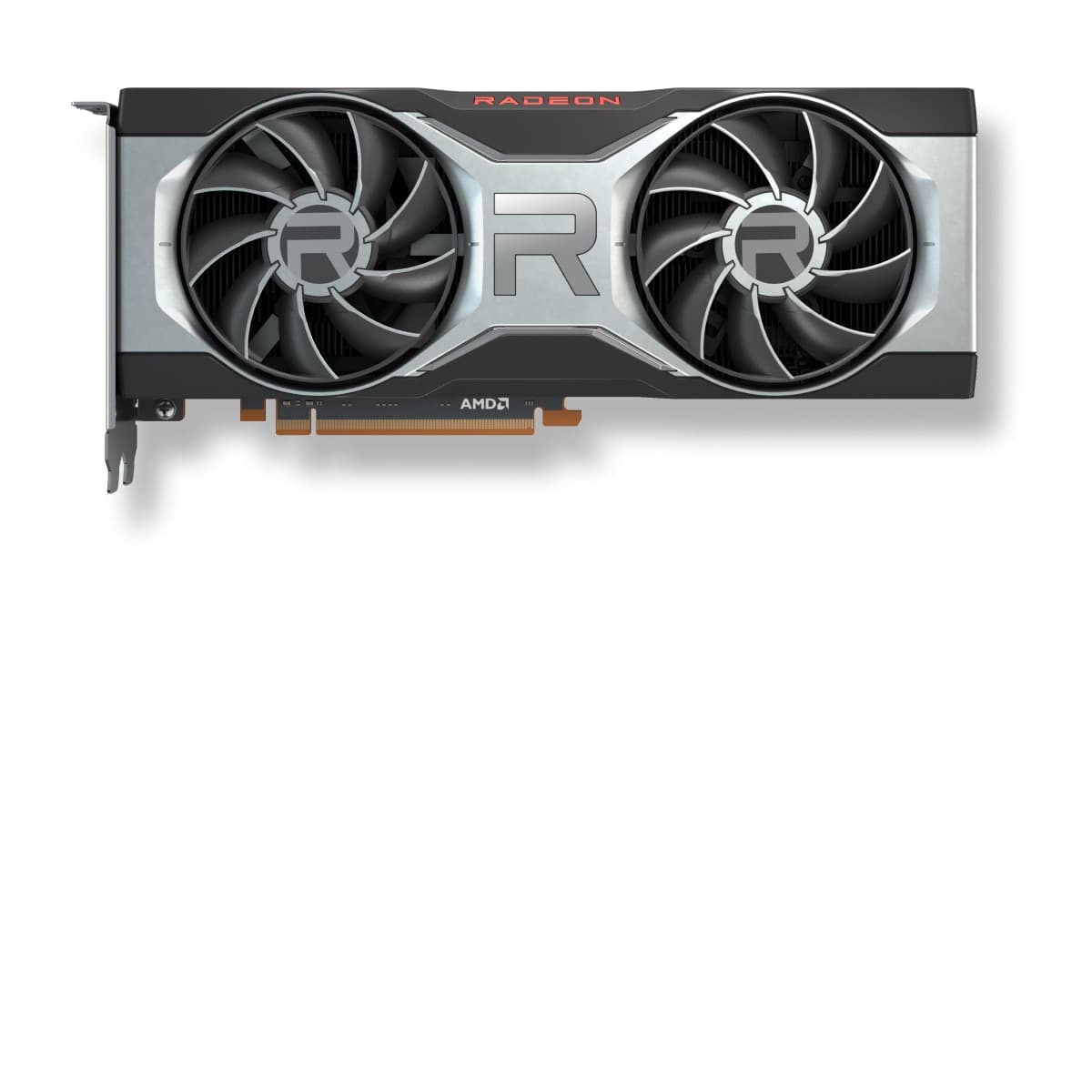
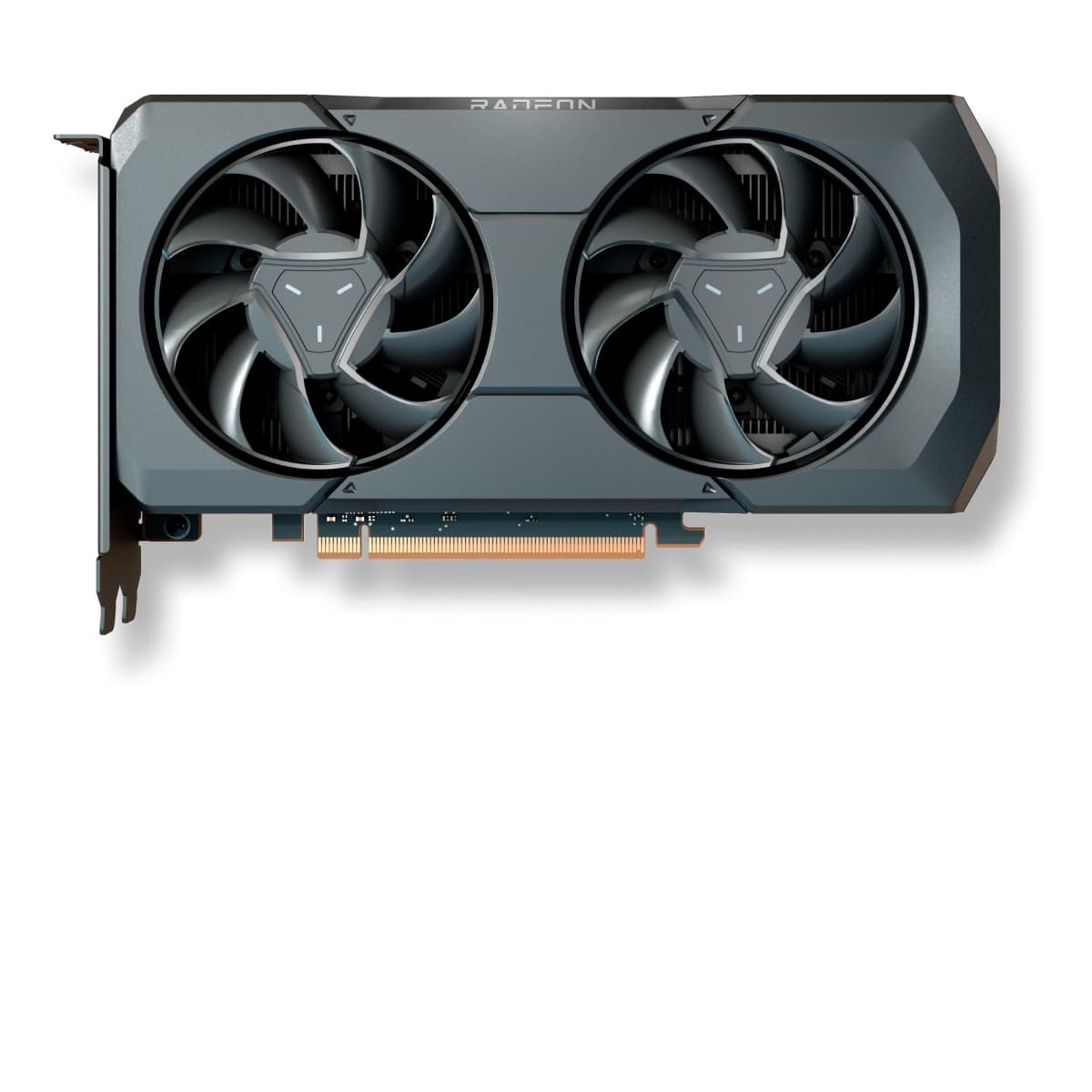
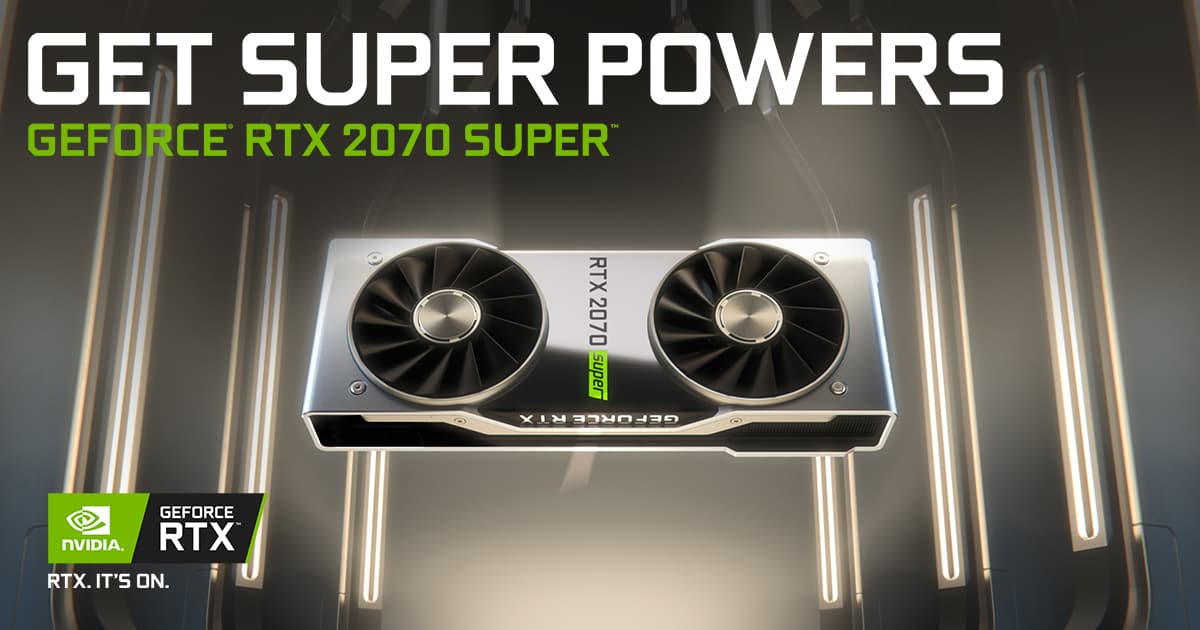
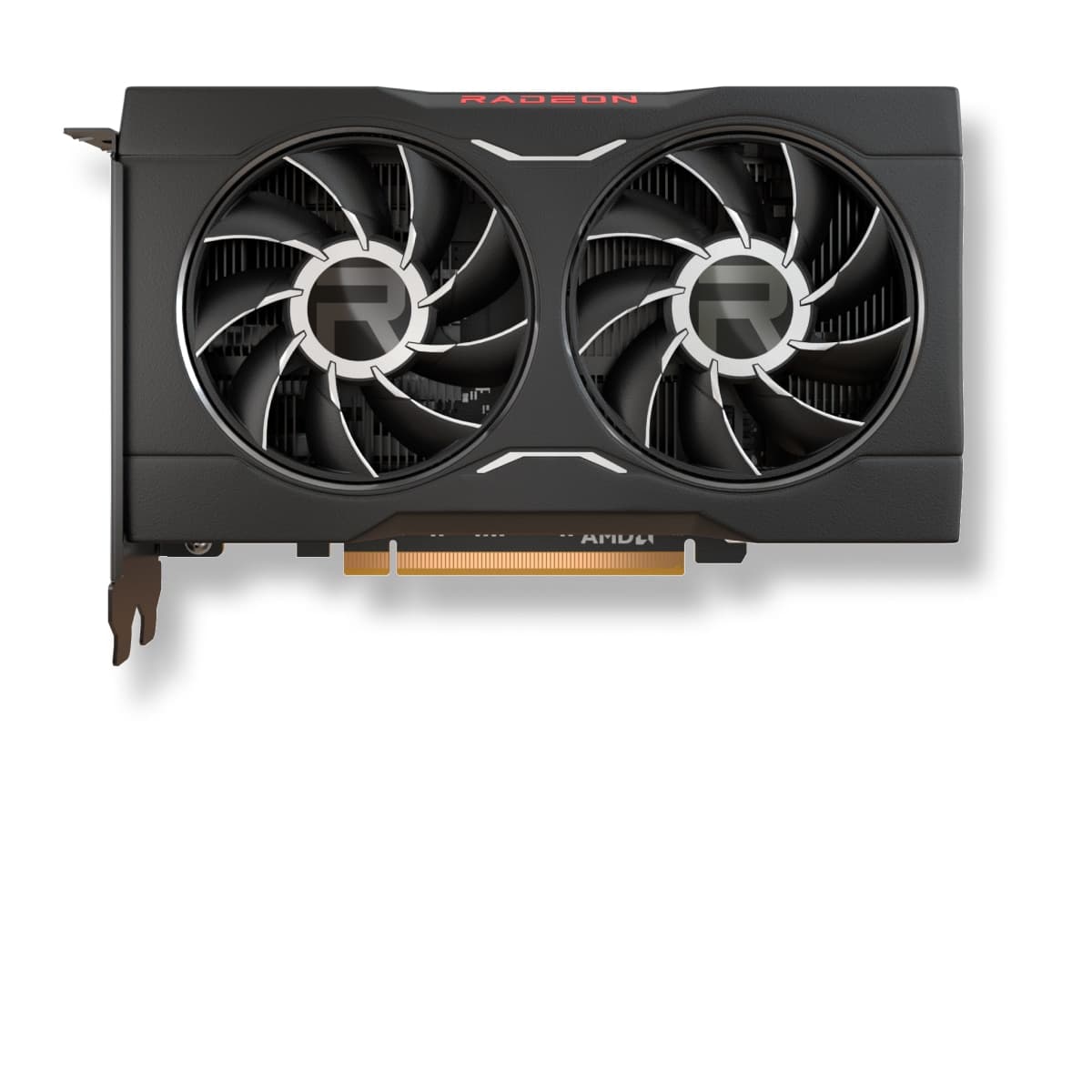
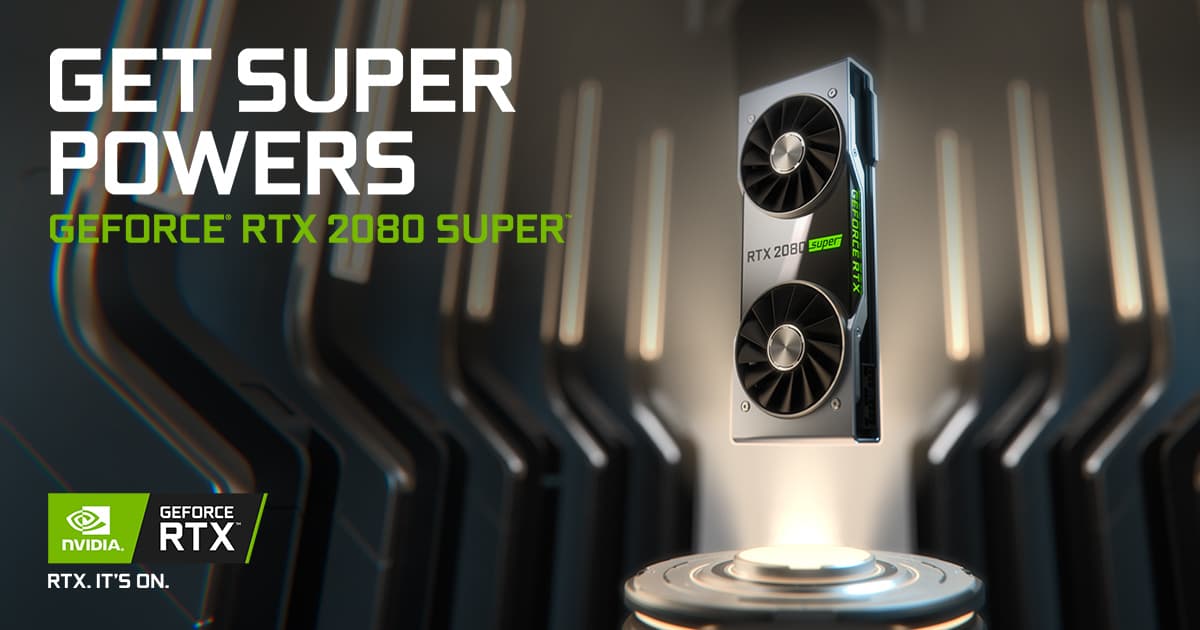


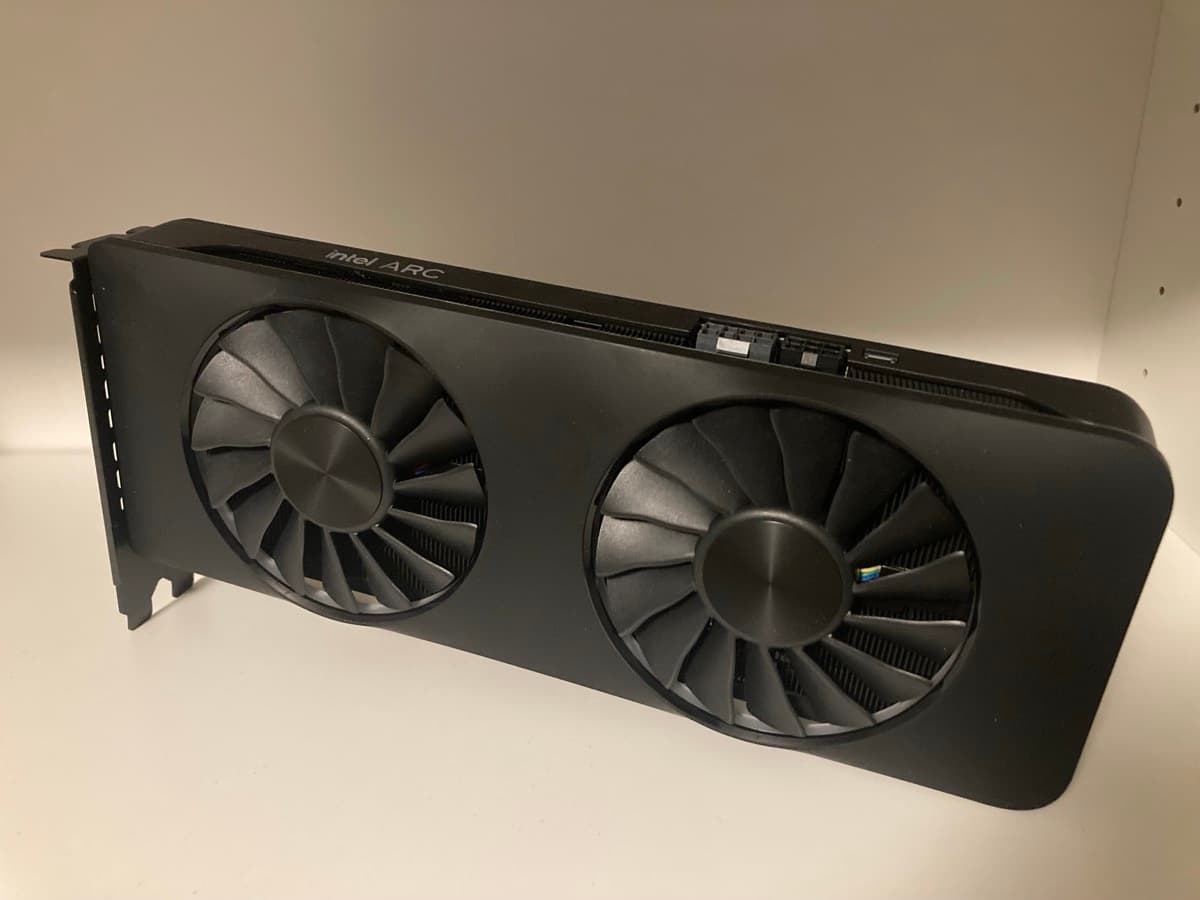
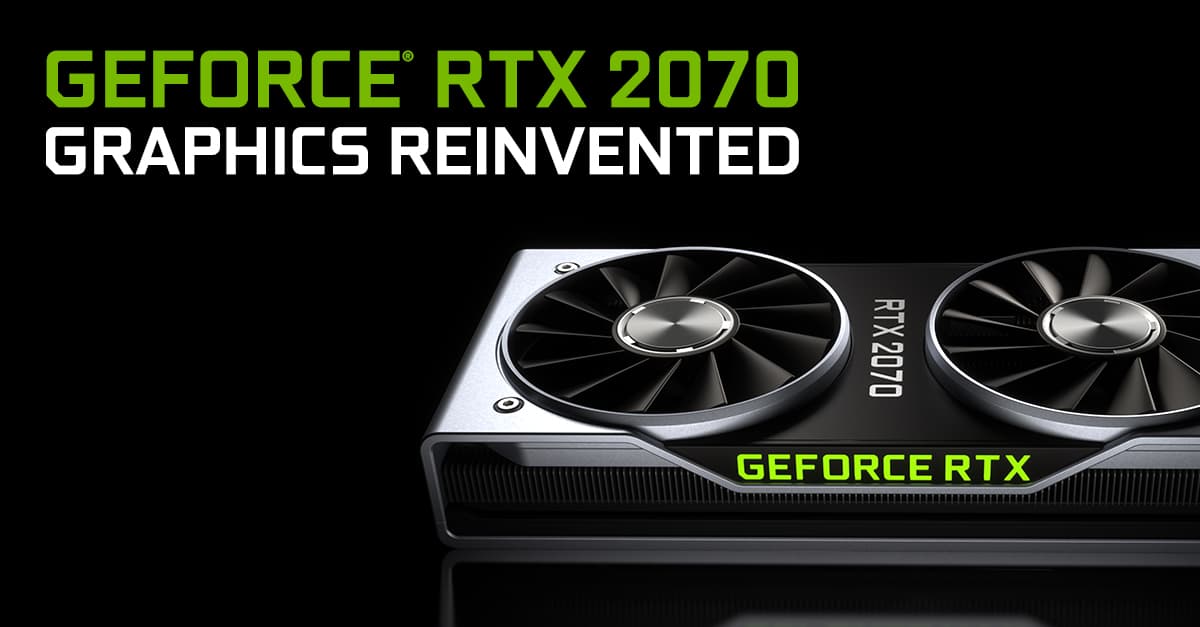
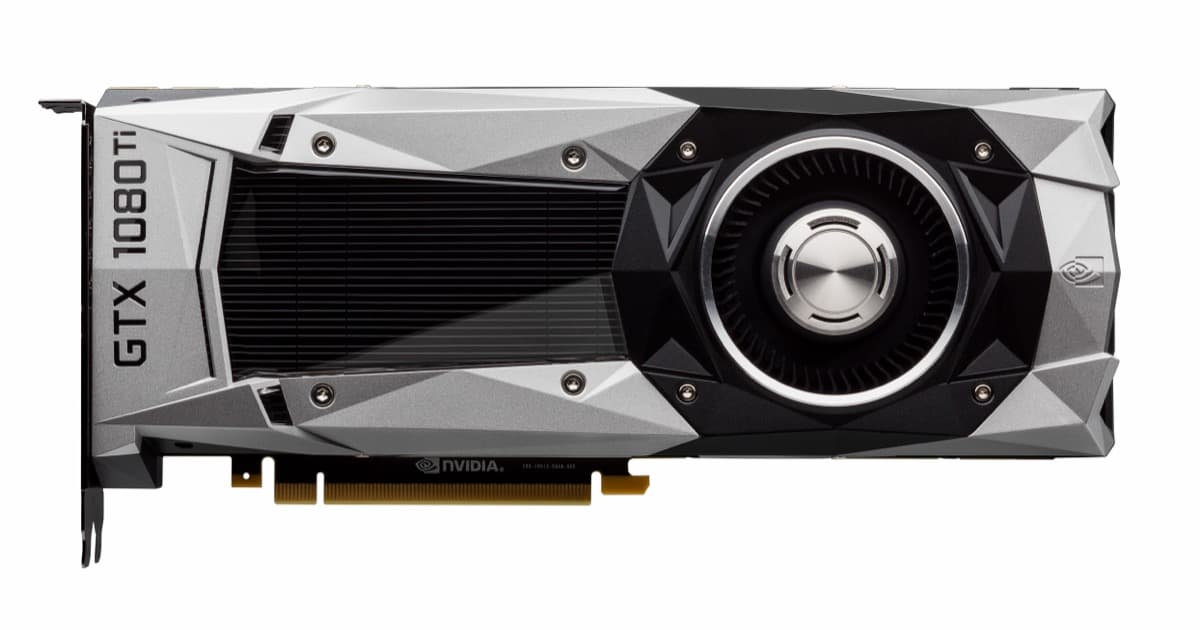
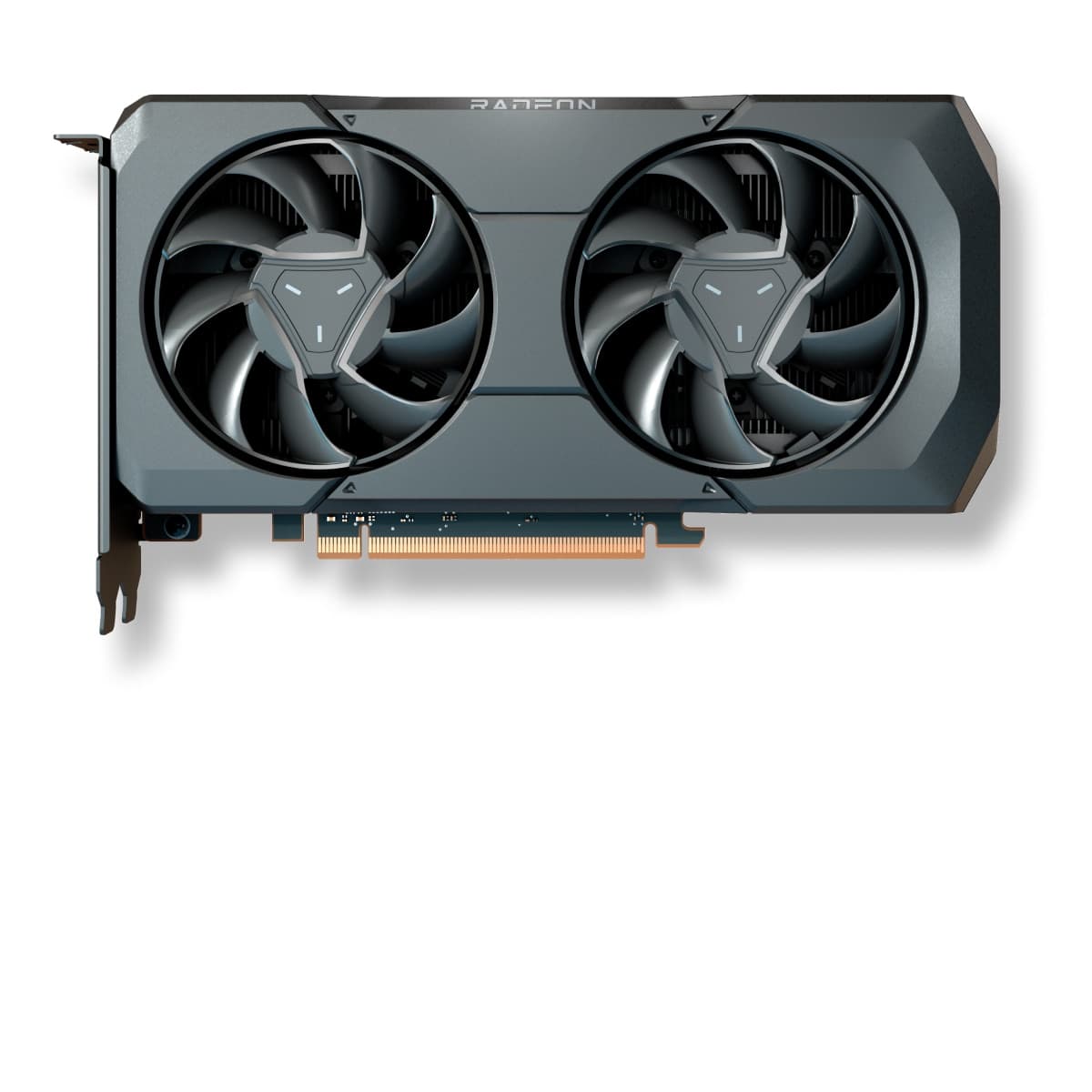
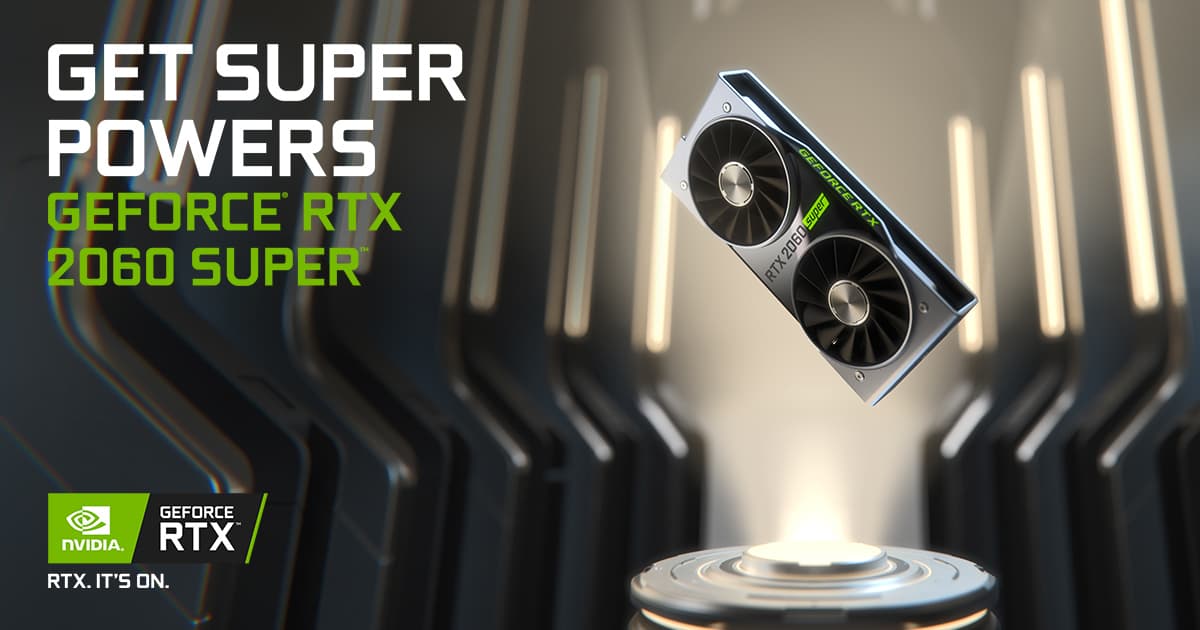
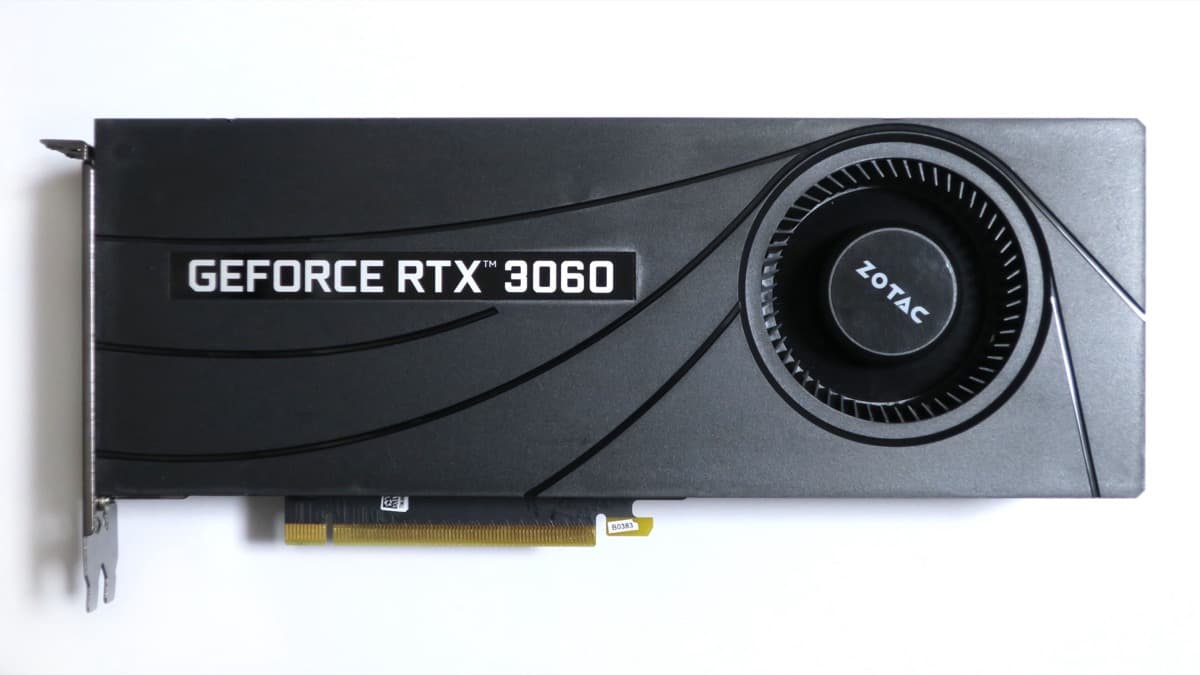
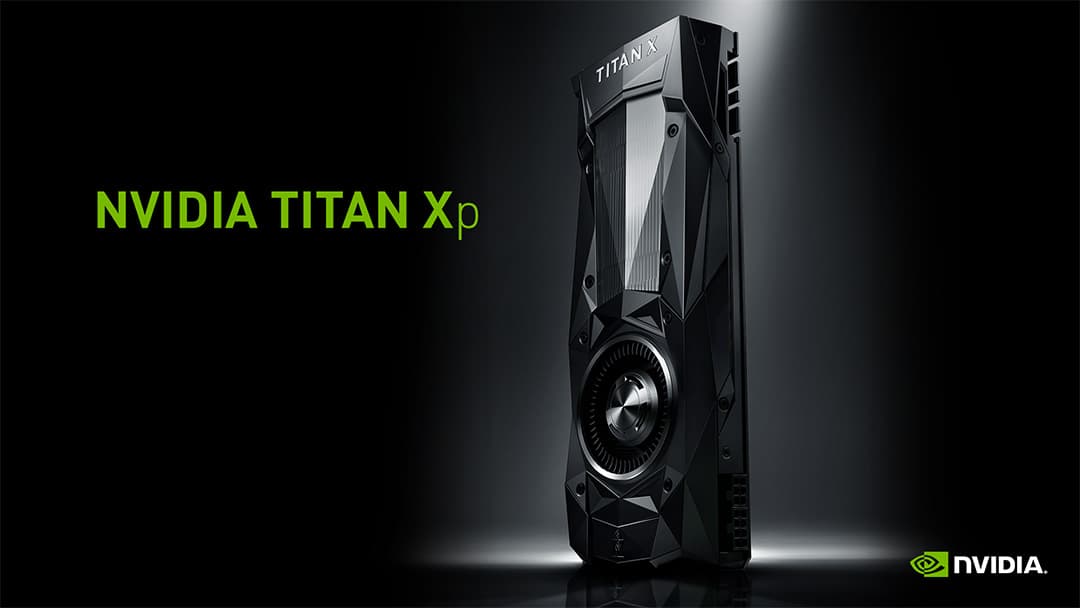
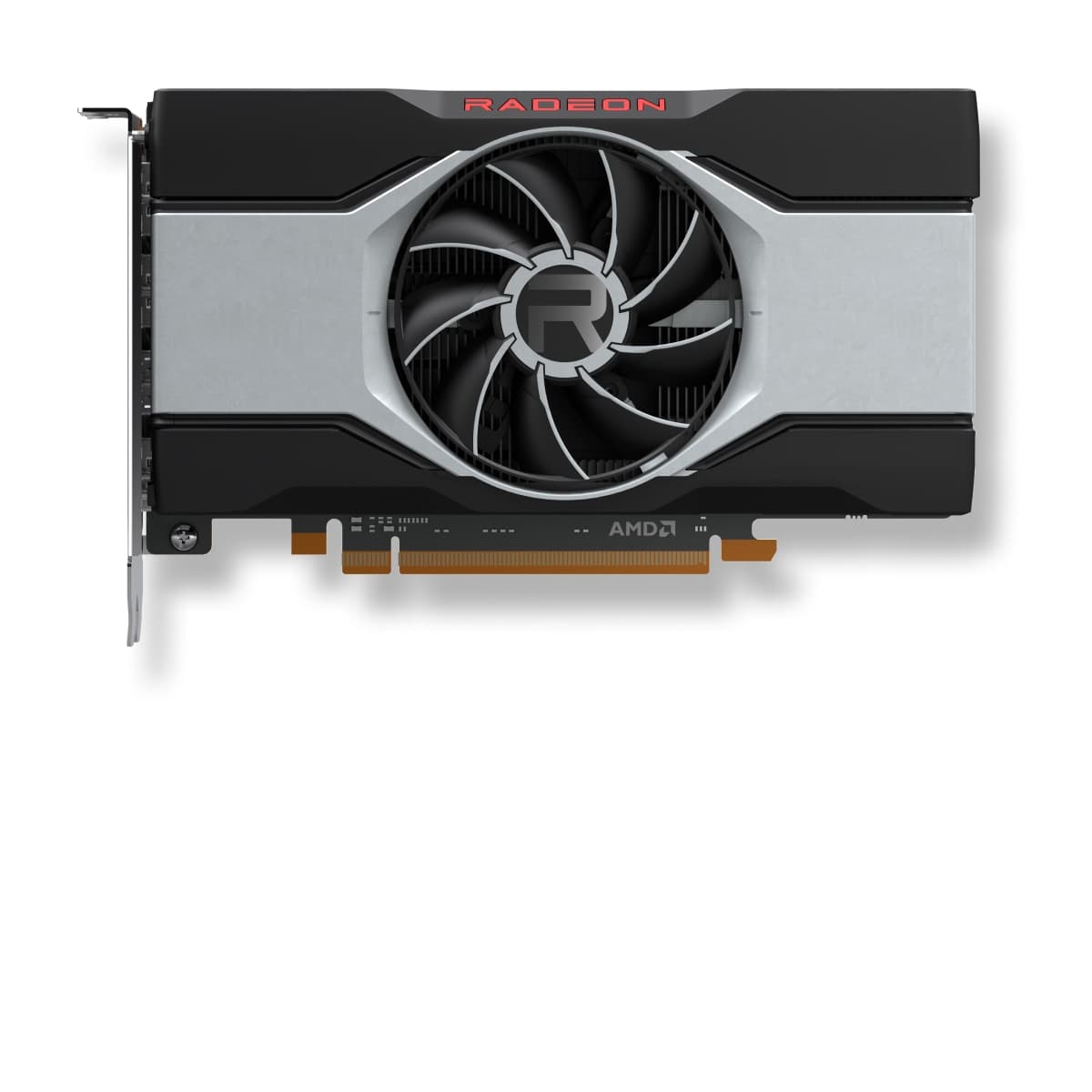

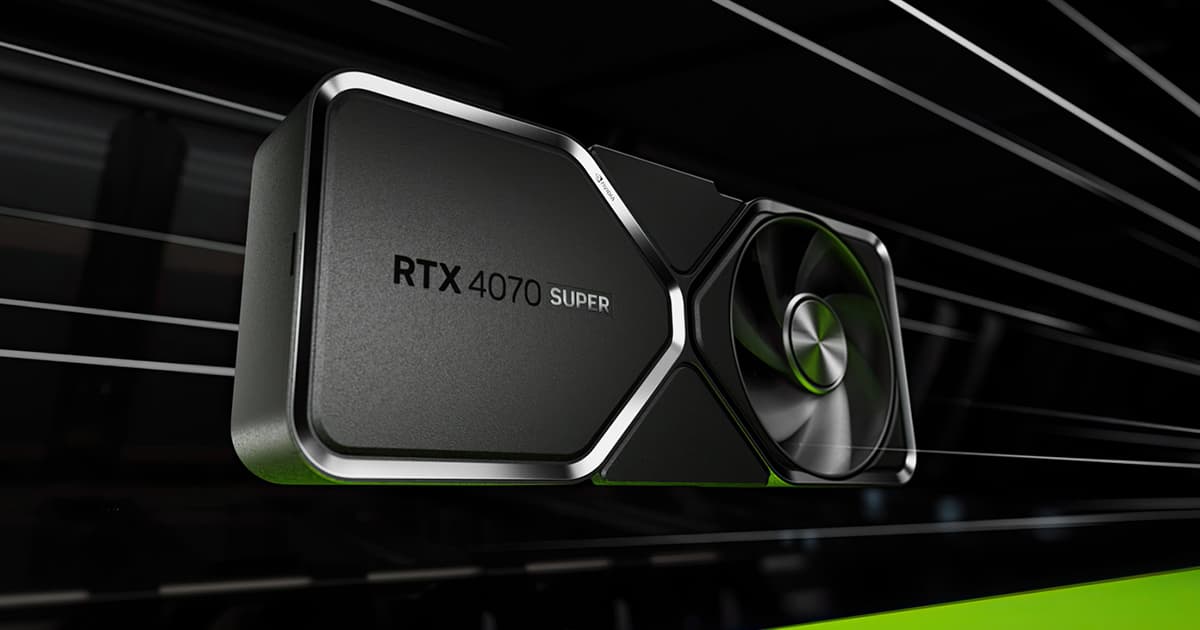
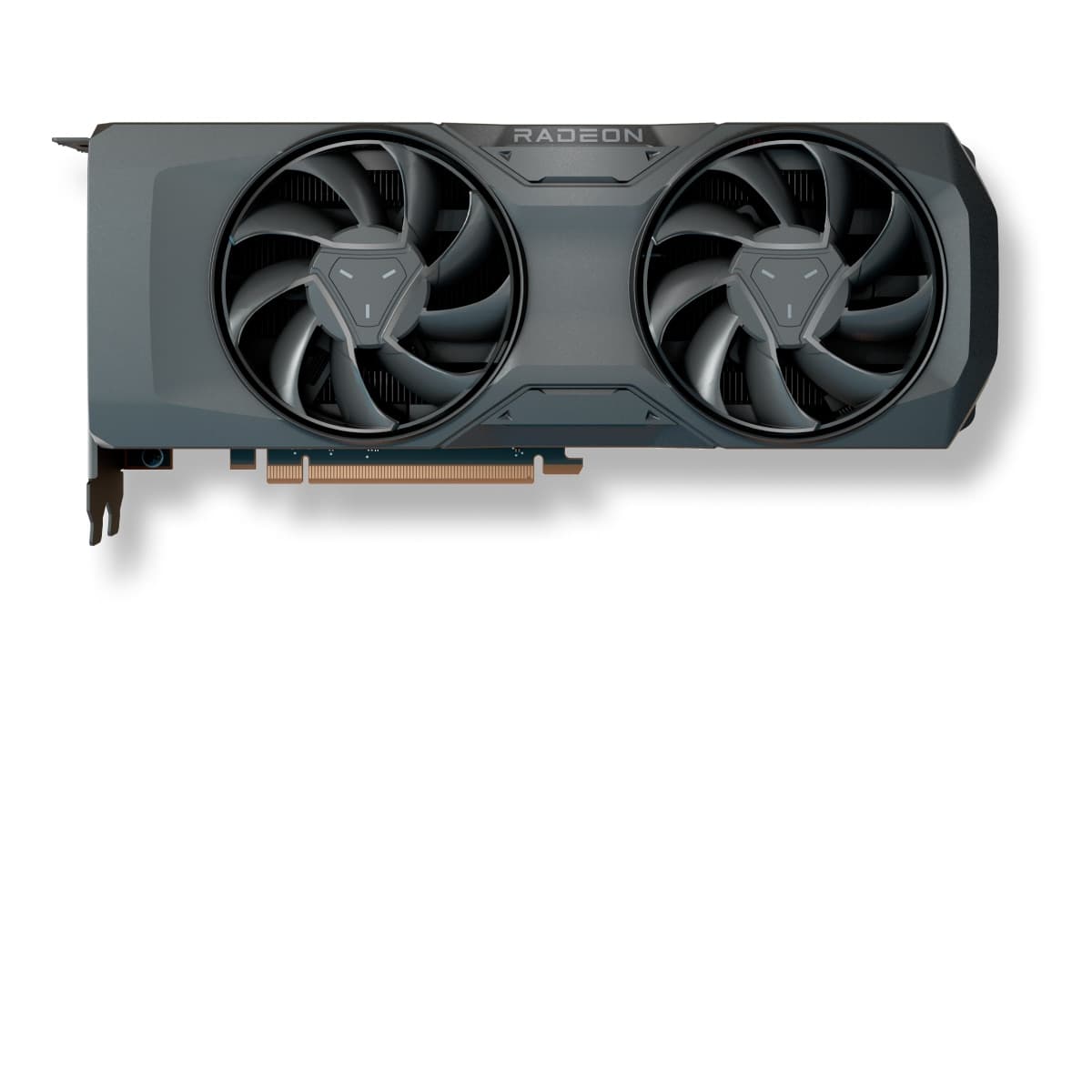

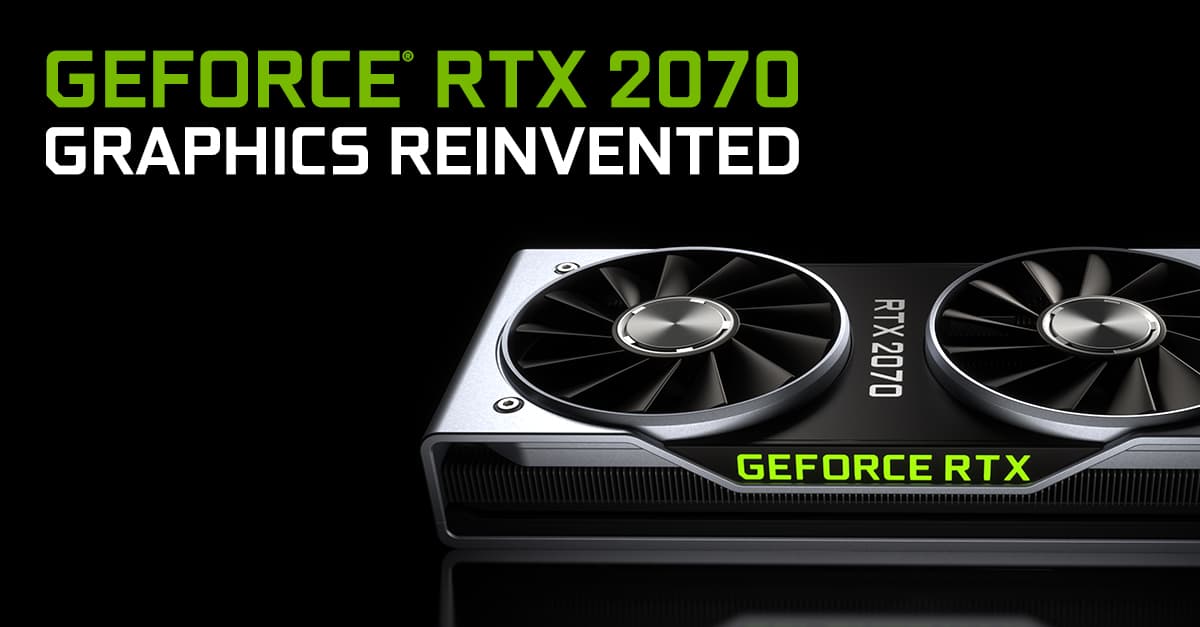
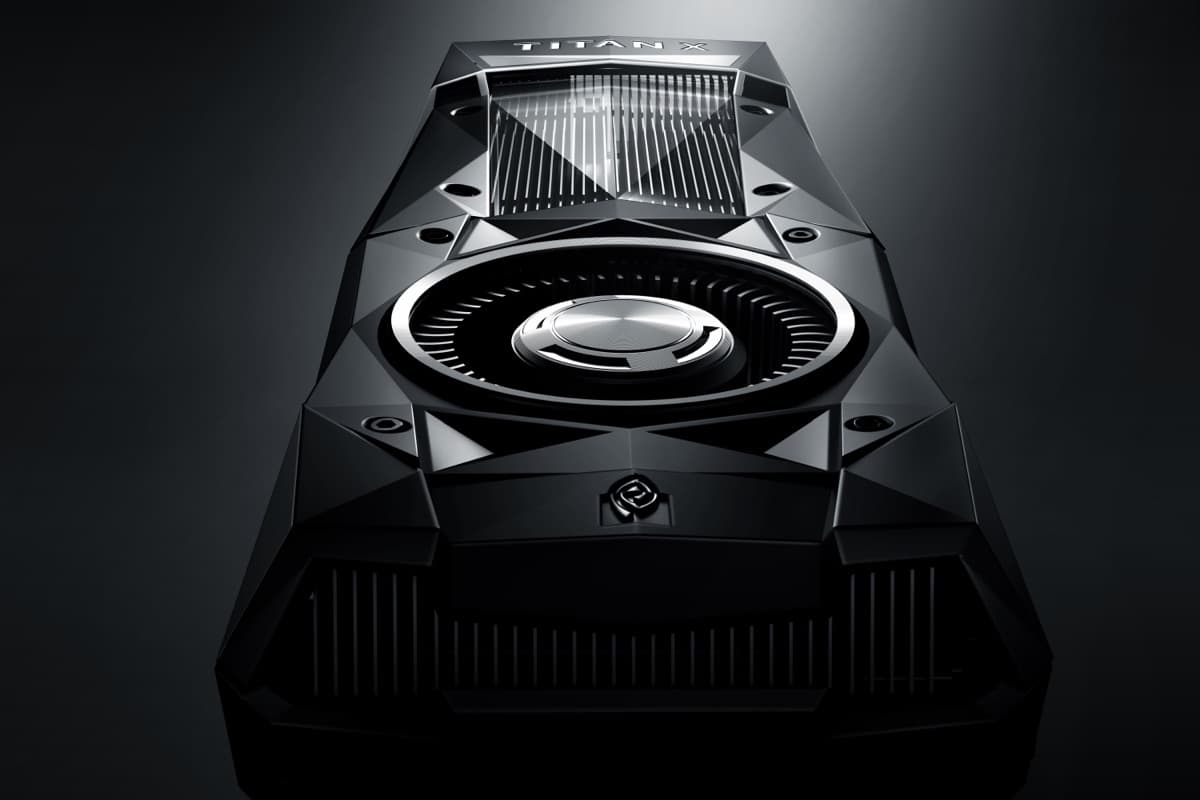
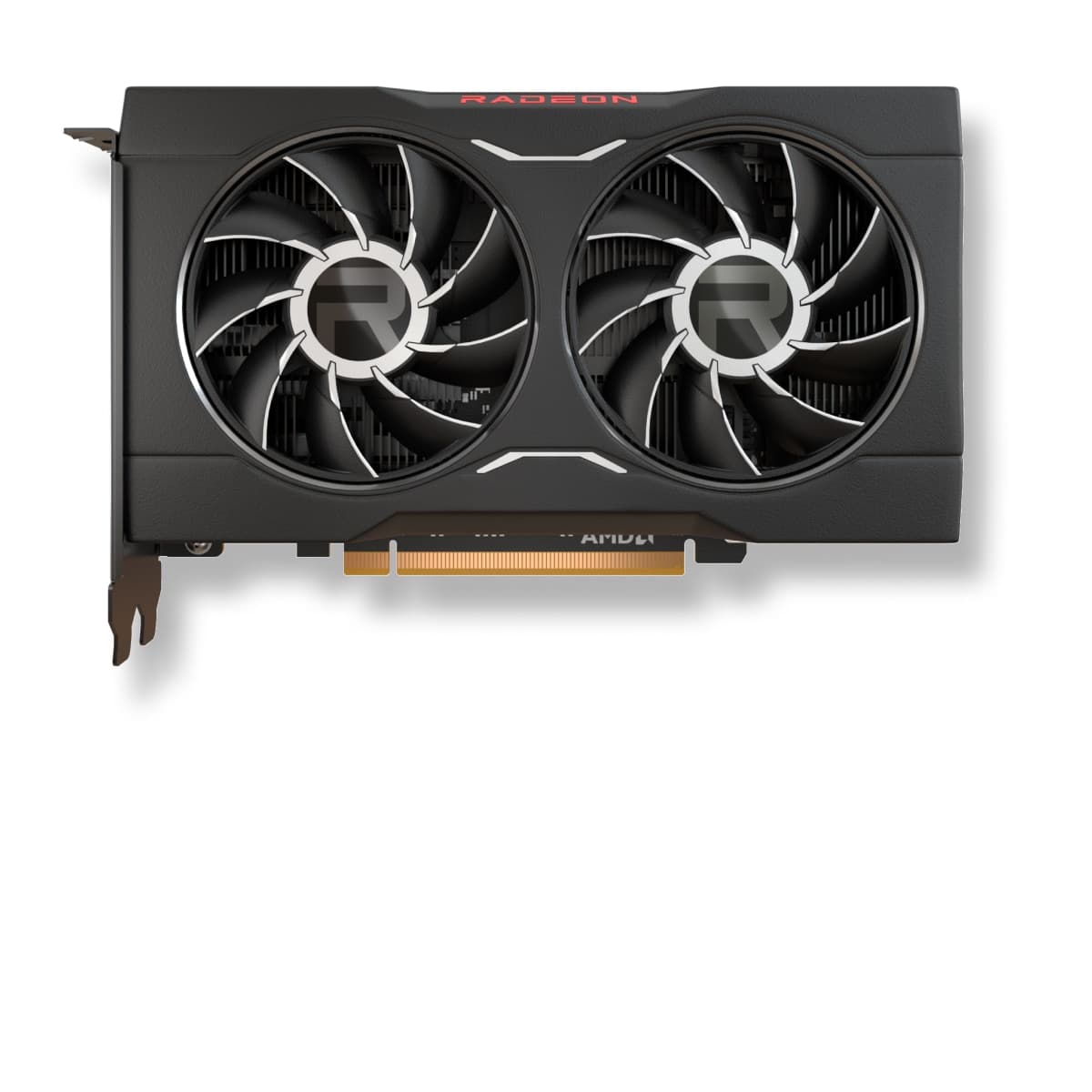
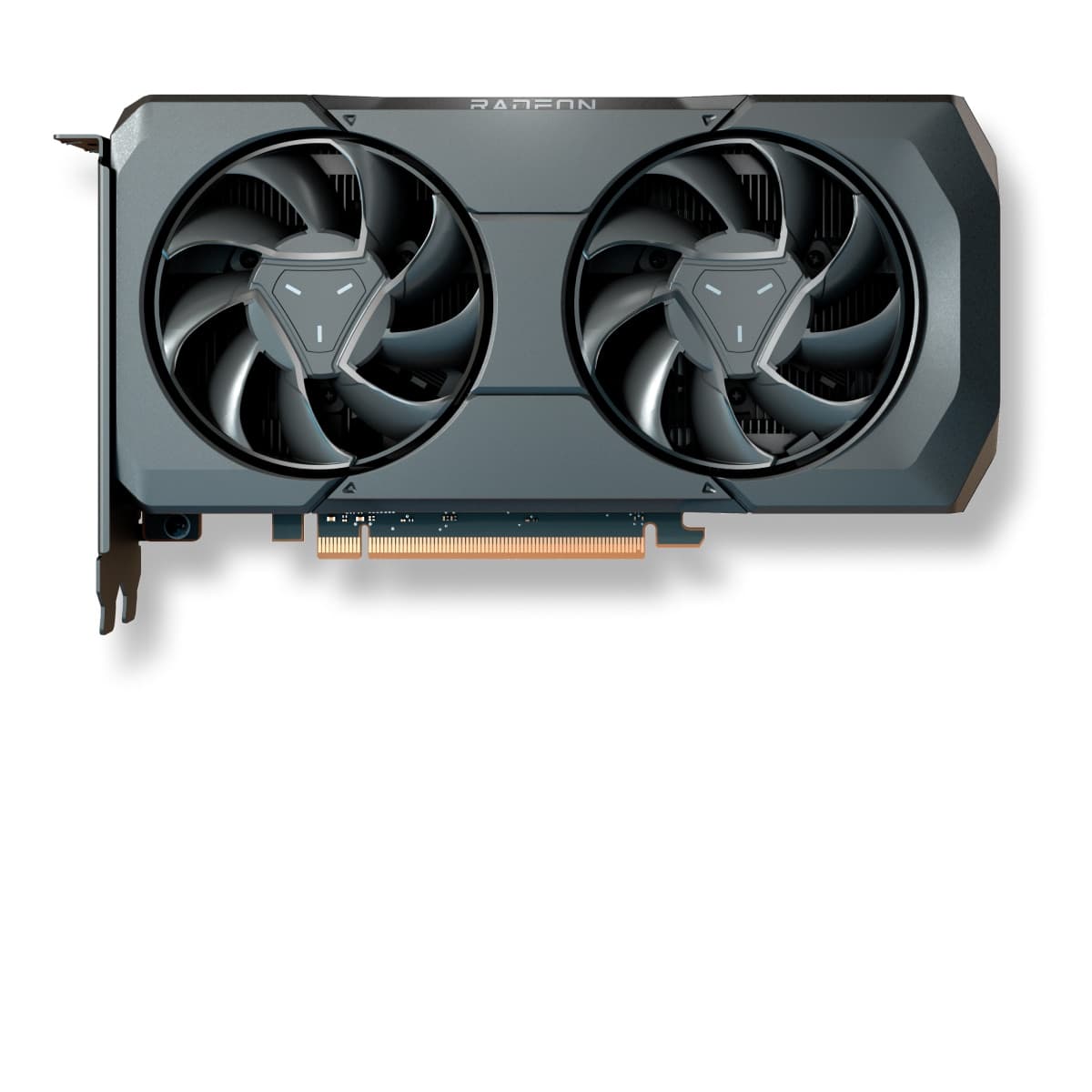

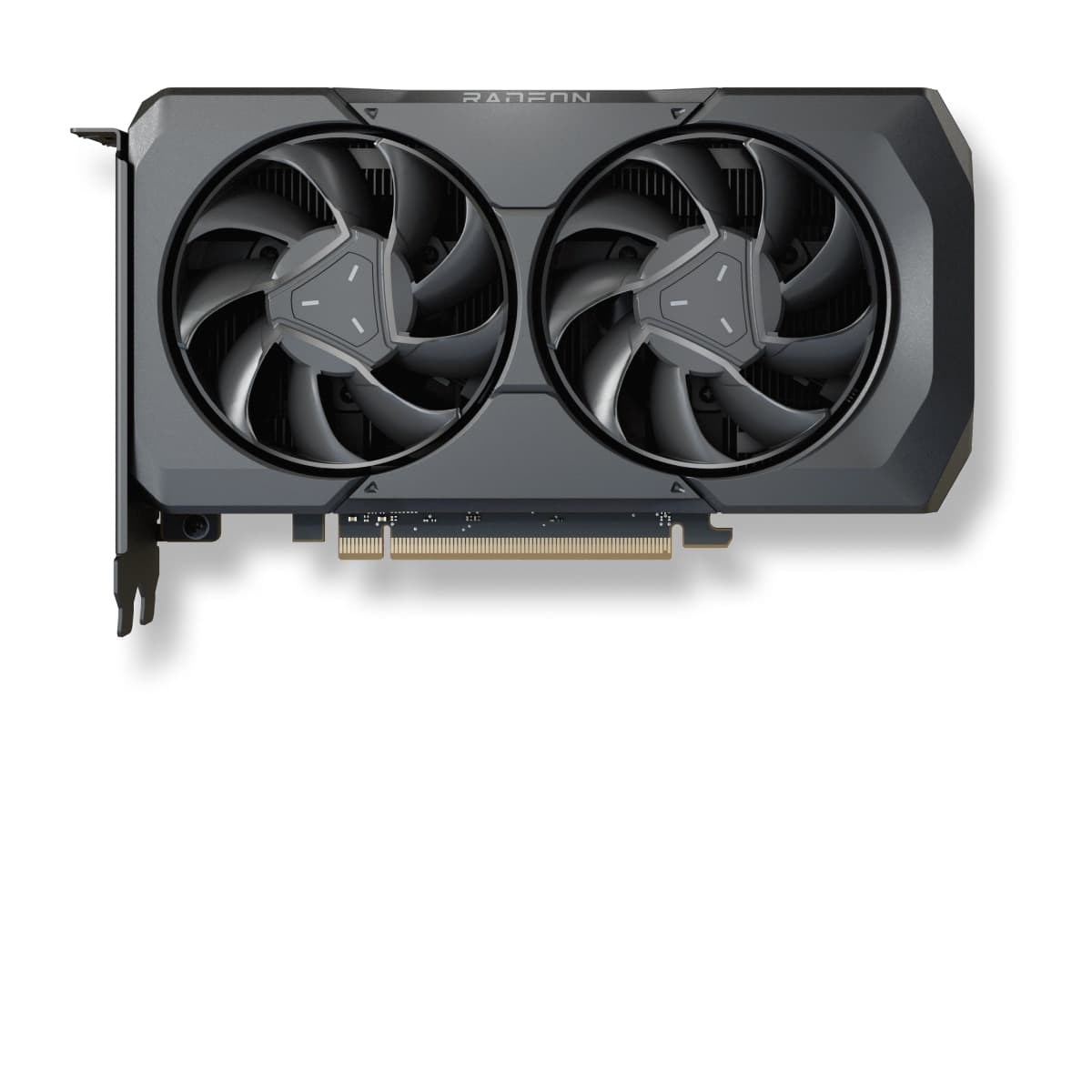
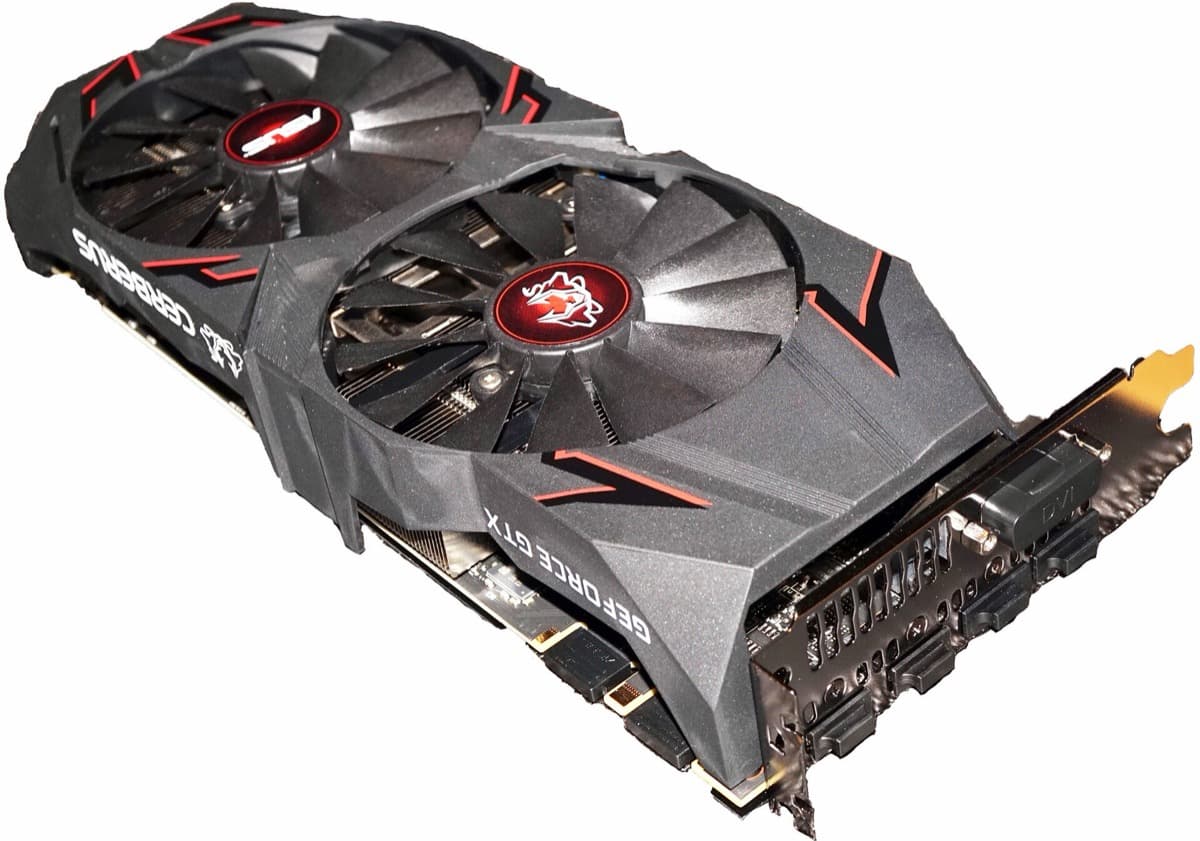
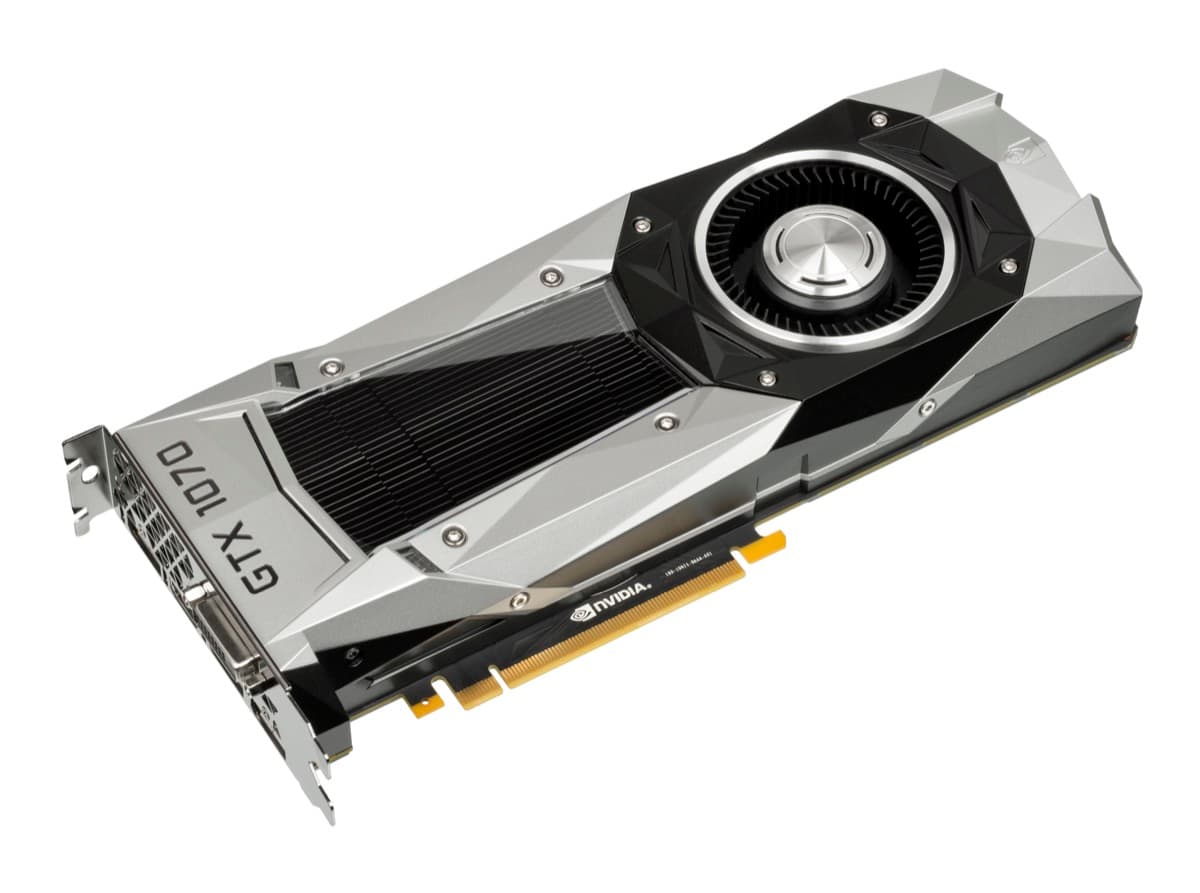
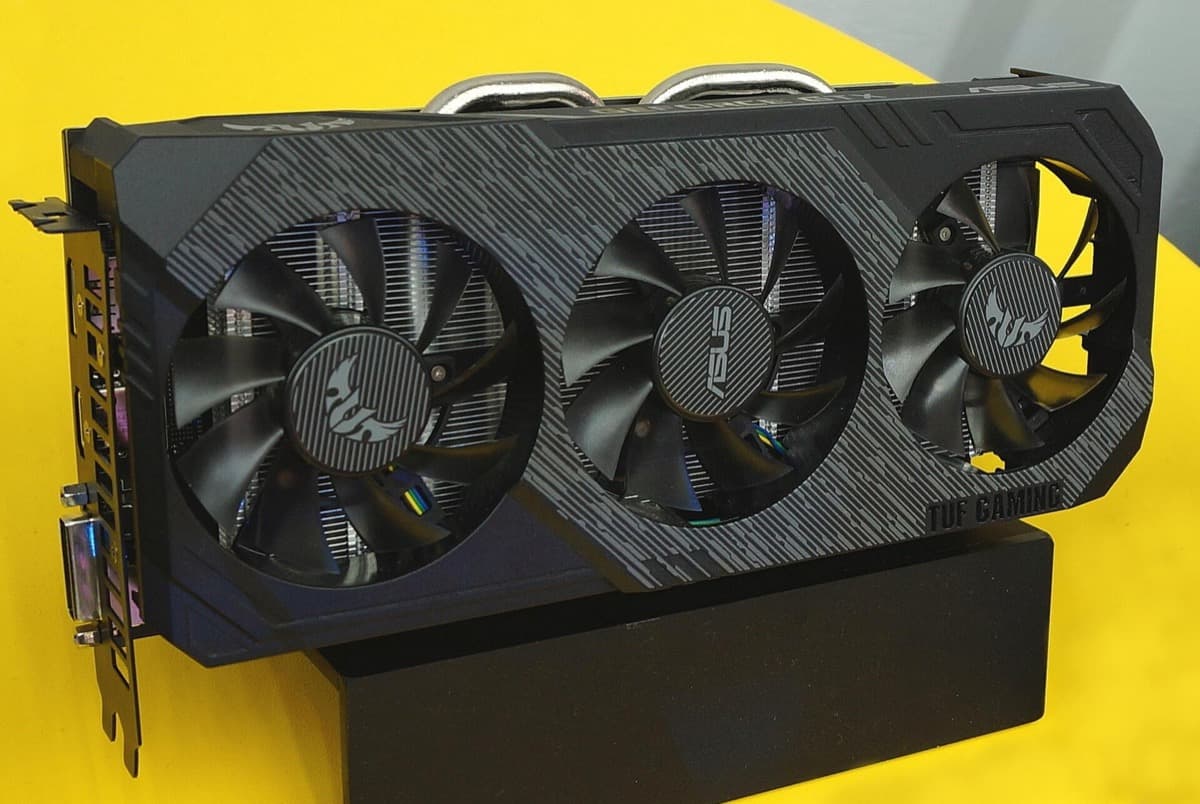
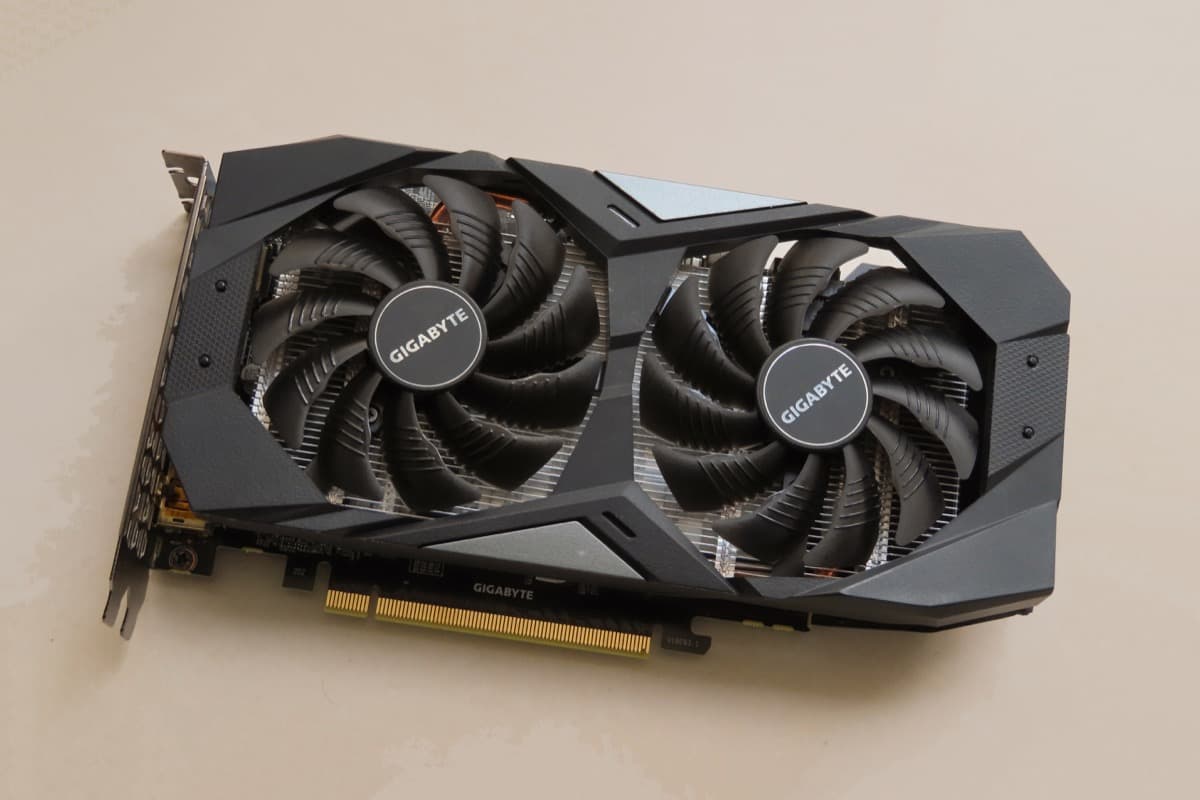
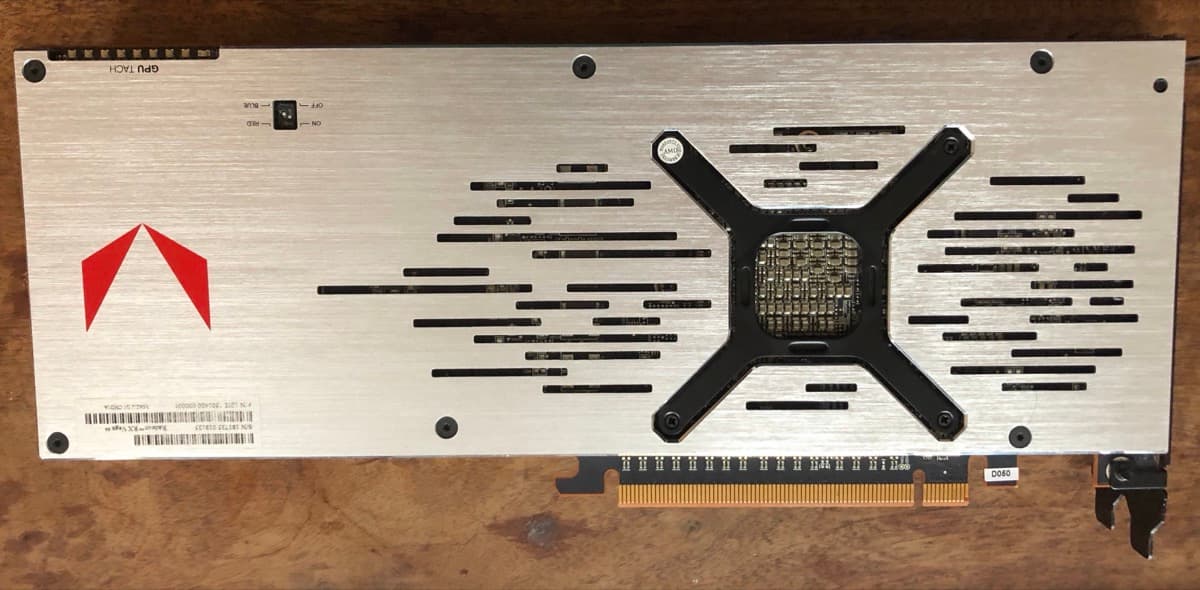
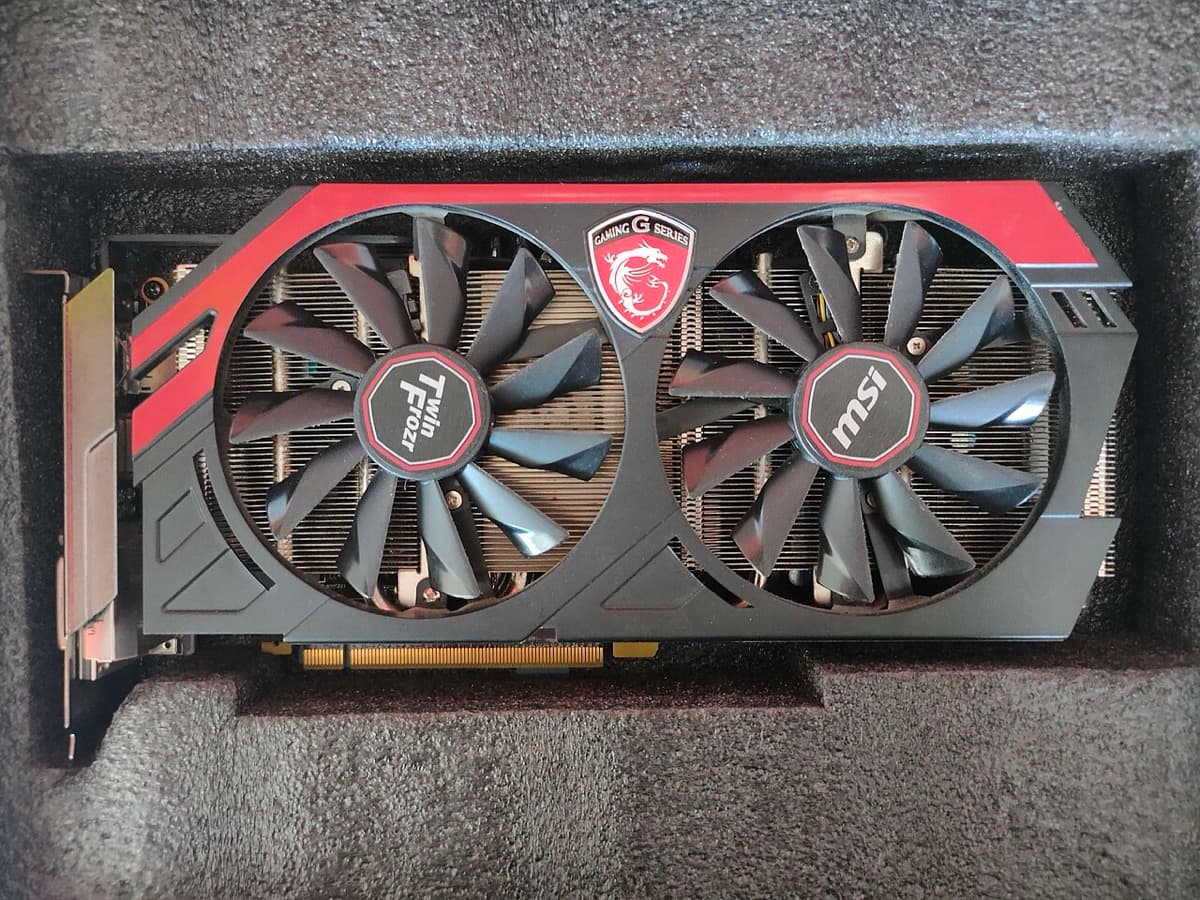
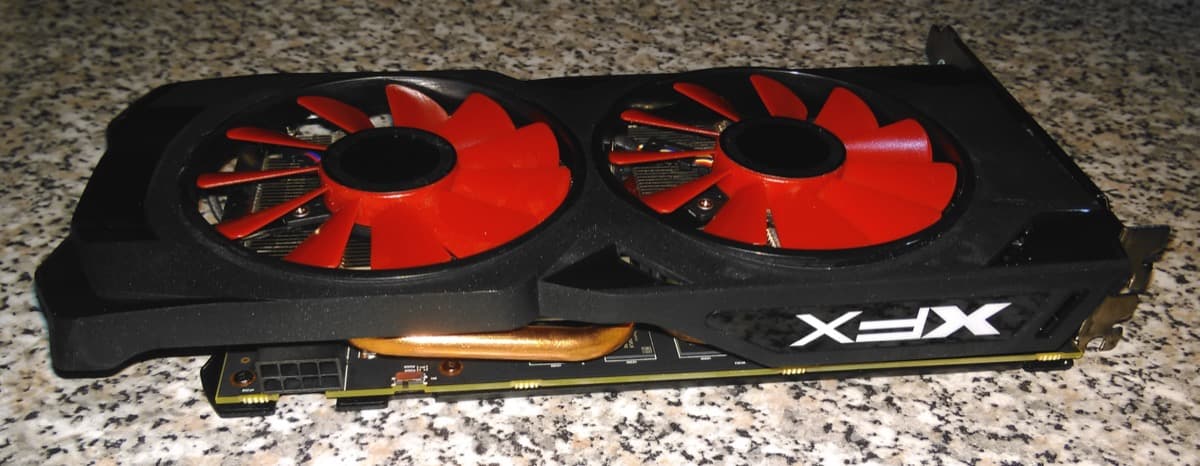
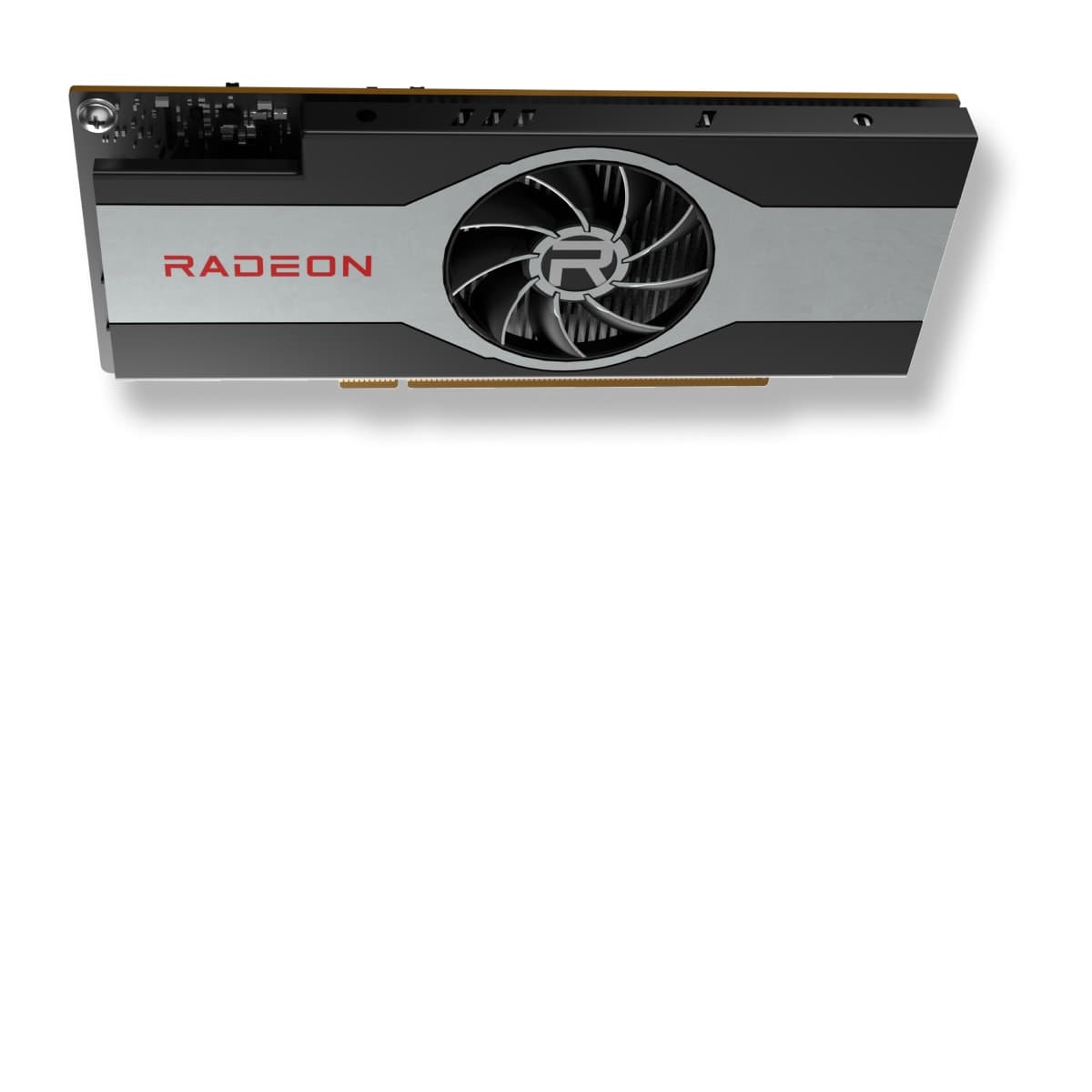
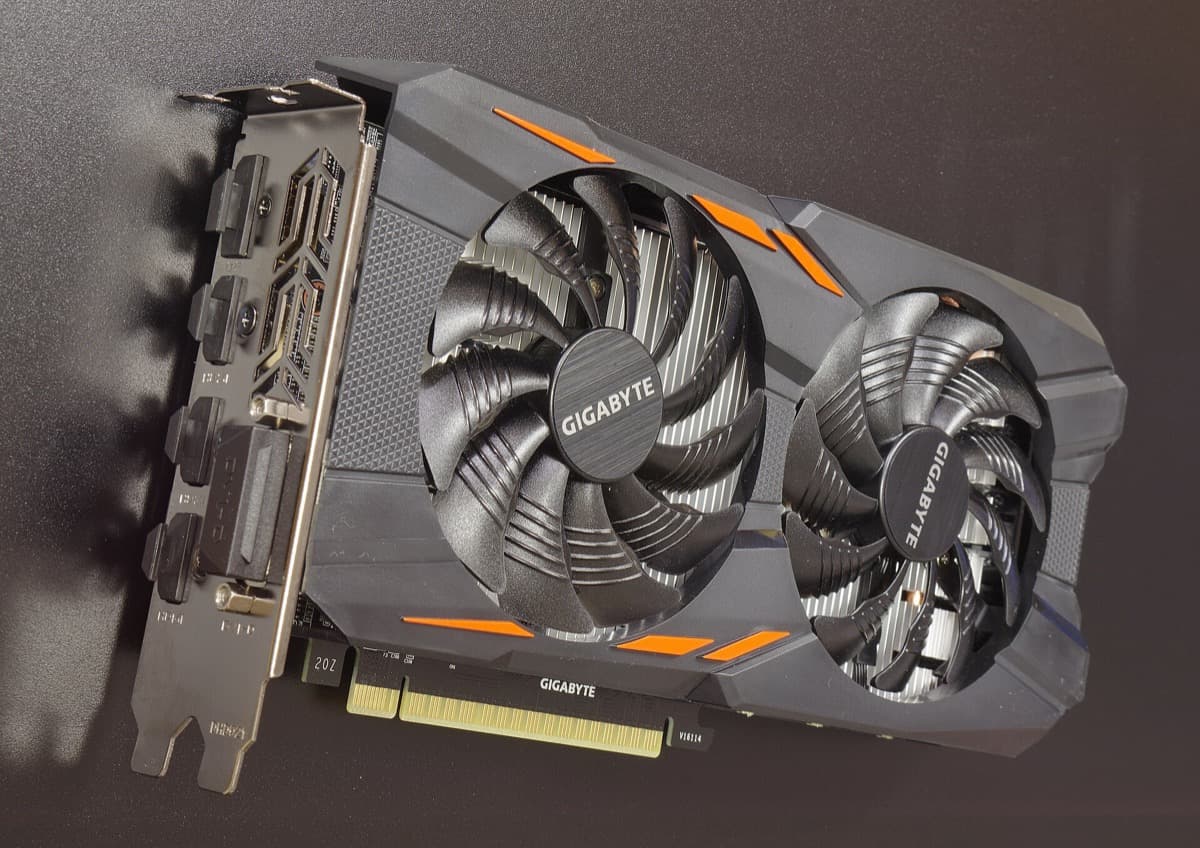
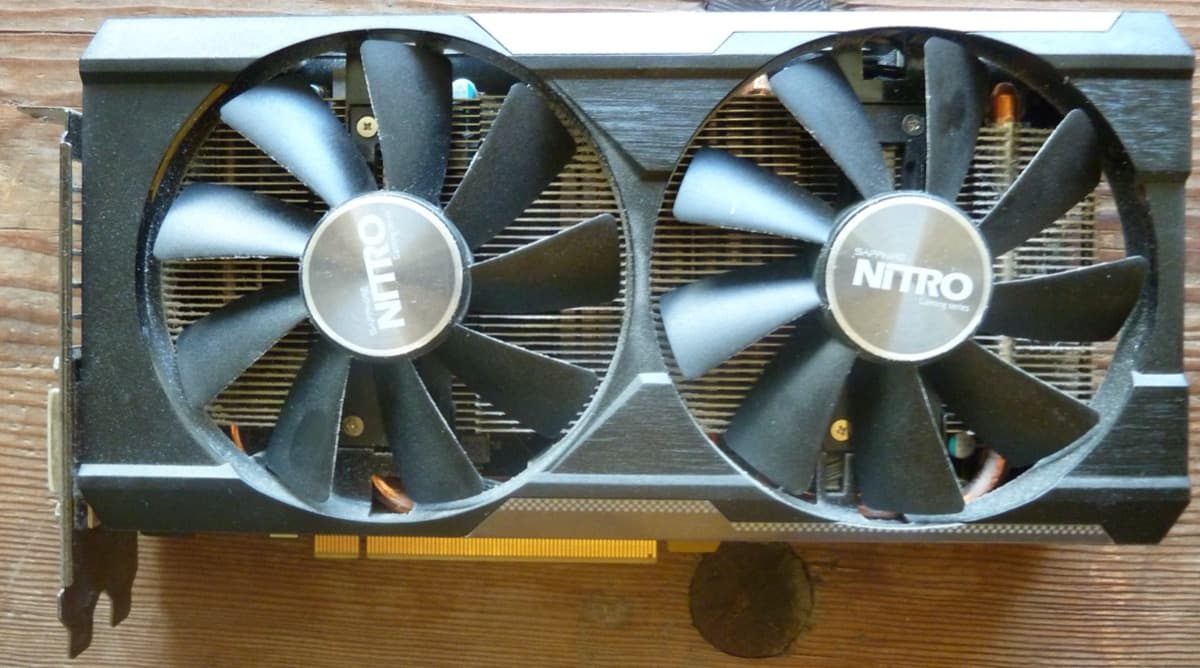
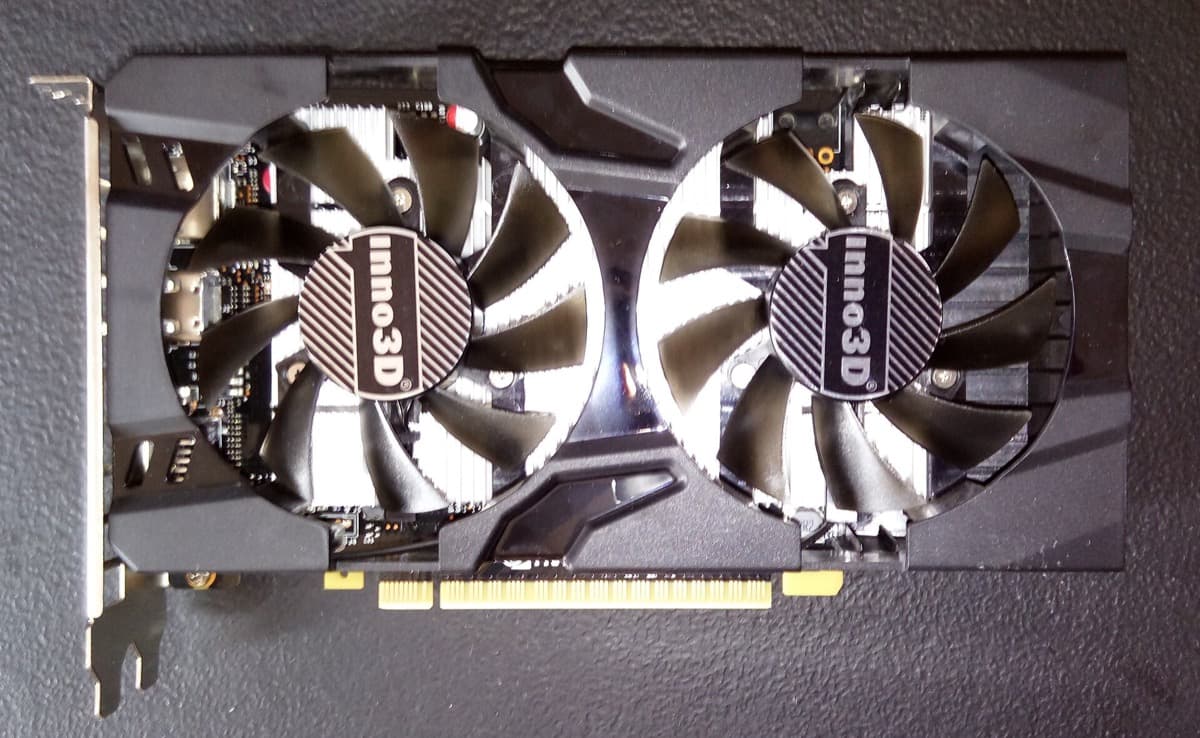
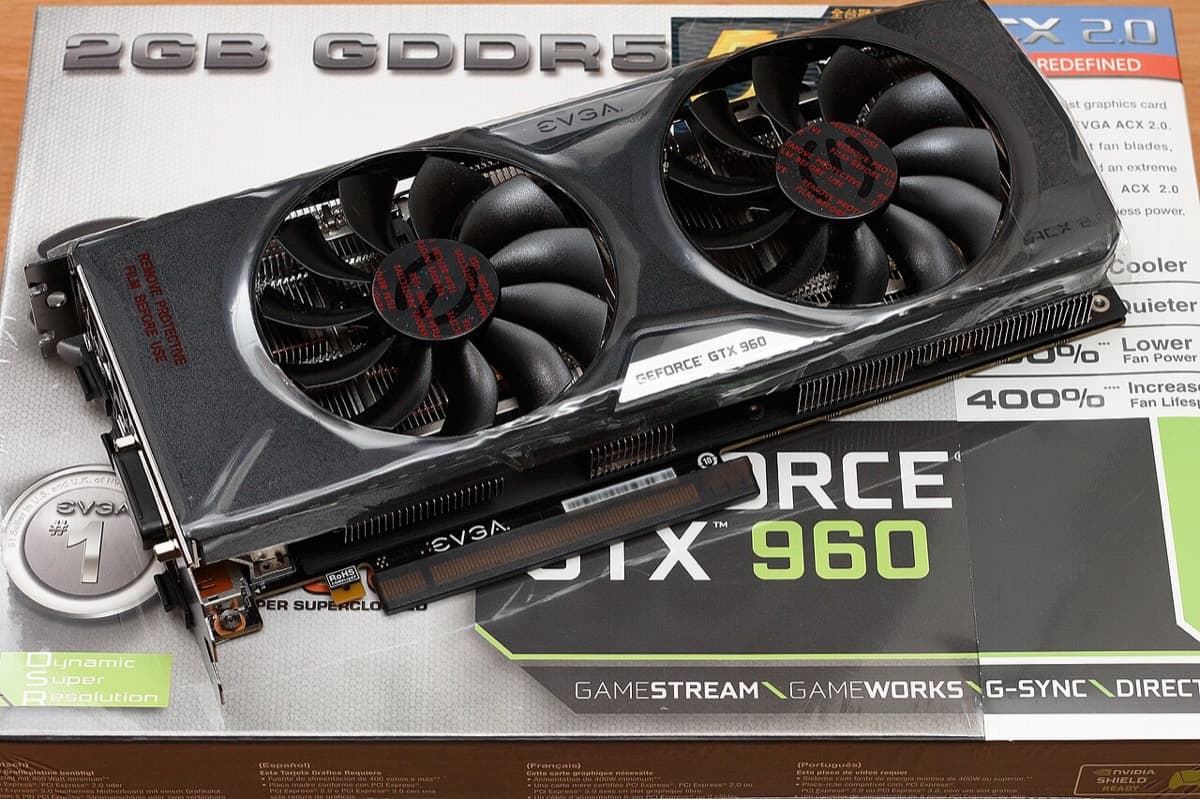
*Launch price (MSRP) in USD; the € amount is an approximate conversion, not the official European retail price.
Ray tracing & upscaling (DLSS, FSR, XeSS)
This ranking measures rasterization performance, which is how most games run. Ray tracing is far more demanding: NVIDIA (RTX) leads thanks to dedicated RT cores, AMD (RX 7000/9000) has closed the gap, and Intel Arc punches above its price.
AI upscaling changes the math: NVIDIA’s DLSS usually offers the best quality, AMD’s FSR is open and works on almost any GPU, and Intel’s XeSS sits in between. These can add 30-70% more FPS. Per-GPU ray tracing benchmarks are coming in a future update.
Popular GPU comparisons
Compare the most-searched graphics cards head to head: FPS by resolution (1080p, 1440p and 4K), specs, price and which is better. Pick two GPUs and see the matchup instantly.
Compare any two GPUs →Frequently asked questions
Which GPU do I need for 1080p, 1440p and 4K gaming?
For 1080p high-refresh gaming, a mid-range card like the RTX 4060 or RX 7600 is plenty. For 1440p, aim for upper-midrange cards (RTX 4070 / RX 7800 XT). For smooth 4K you want a high-end or flagship GPU such as the RTX 4080 Super, RTX 5080 or RX 7900 XTX. Use the resolution buttons above to see the exact average FPS each card delivers.
How many FPS do I actually need?
30 FPS is the bare minimum, 60 FPS is the comfortable standard for most games, and 120-144+ FPS is ideal for competitive play or high-refresh-rate monitors. In the table, green numbers mean 120+ FPS, blue 60+, amber 30+ and red below 30.
How much VRAM should a graphics card have in 2026?
8 GB is the practical minimum for 1080p today, 12 GB is recommended for 1440p, and 16 GB or more is the safe choice for 4K and future titles. Each card’s VRAM is shown next to its name in the ranking.
How are the FPS figures calculated?
Each GPU’s average FPS is computed from our FPS model across the 10 most popular games at Ultra quality, paired with a reference mid-range CPU so cards are compared on equal footing. Values are estimates designed to reflect real-world relative performance, not lab measurements of one specific game.
NVIDIA, AMD or Intel — which is better?
NVIDIA leads in ray tracing and upscaling (DLSS); AMD often gives more raw raster performance and VRAM per dollar; Intel Arc is competitive in the budget tier. Filter the ranking by brand to compare them directly at your target resolution.
Is this a GPU tier list?
You can think of it as a graphics card tier list ordered by real in-game FPS instead of theoretical specs. Filter by tier (entry, mid, high, ultra) to find the best graphics card in each price range, or use the resolution buttons to see which GPU performs best at 1080p, 1440p or 4K.