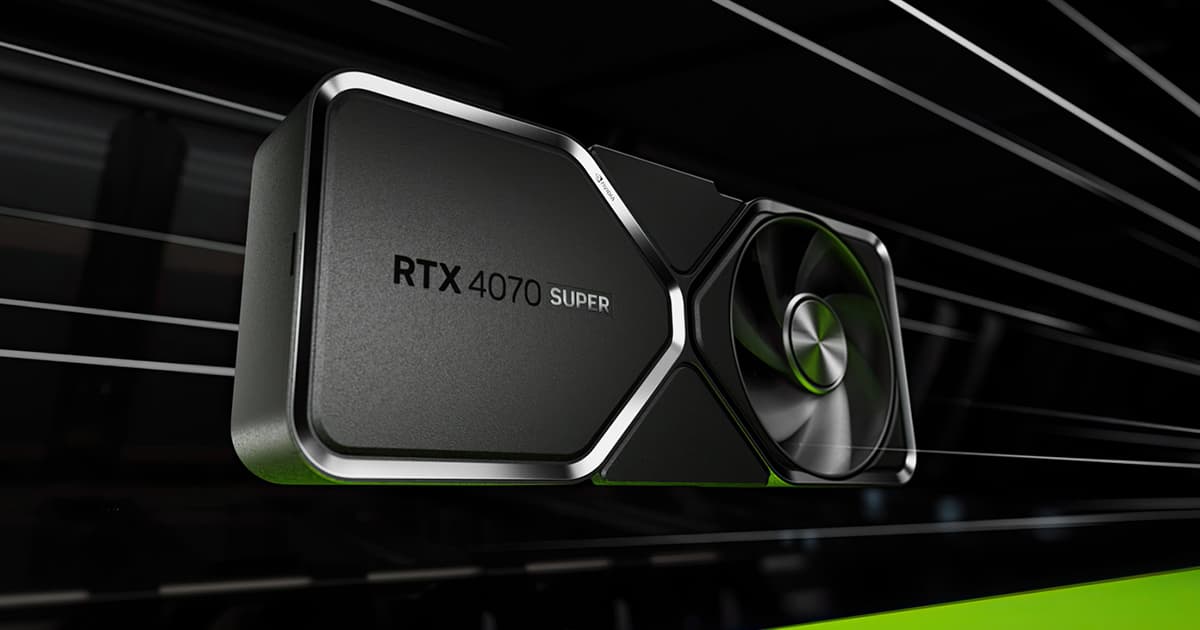
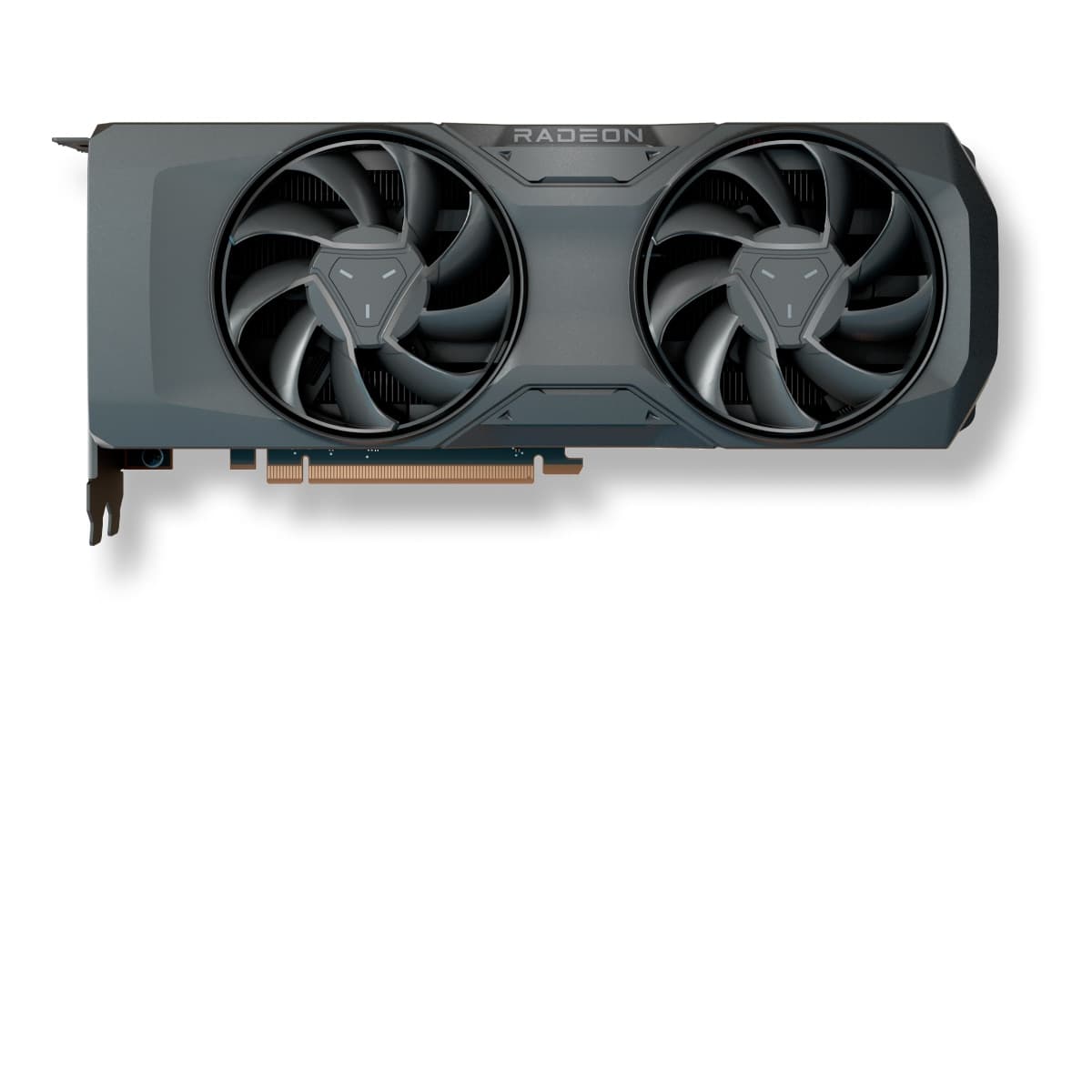
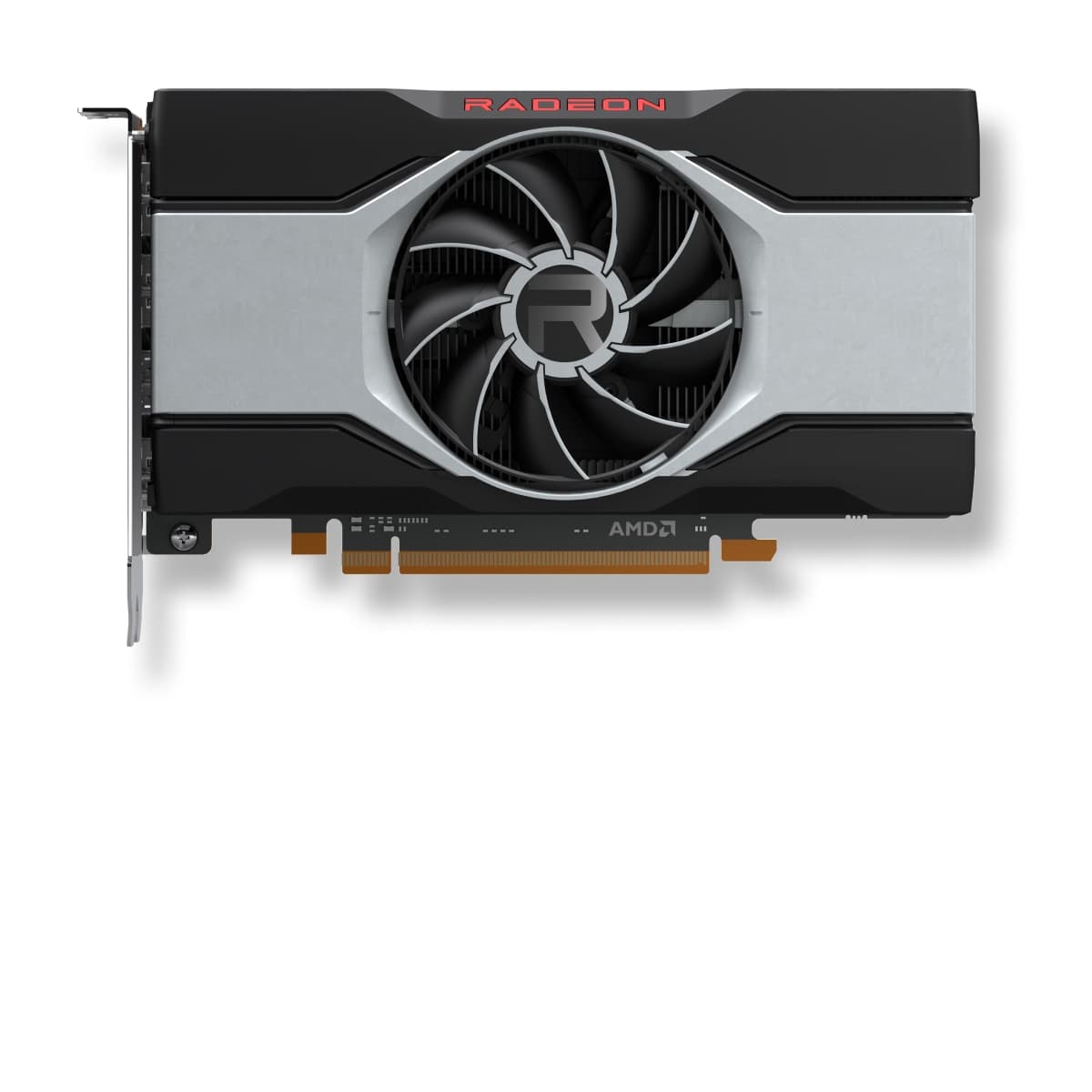
NVIDIA GeForce RTX 5050 Laptop vs AMD Radeon RX 6650M: real performance and FPS — which is better? Full comparison
Detailed gaming performance comparison
Reference CPU: Intel Core i5-13400
We compare the RTX 5050 Laptop and the RX 6650M with real FPS across the most popular games at 1080p, 1440p and 4K, plus specs, launch price and AI upscaling support (DLSS/FSR/XeSS). See at a glance which is better for your resolution and budget.
The RTX 5050 Laptop is ~5% faster than the RX 6650M on average at 1080p.

RTX 5050 Laptop
- Index (1080p)
- 38/100
- VRAM
- 8 GB
- Price (MSRP)
- —
- Upscaling
- DLSS + Frame Gen
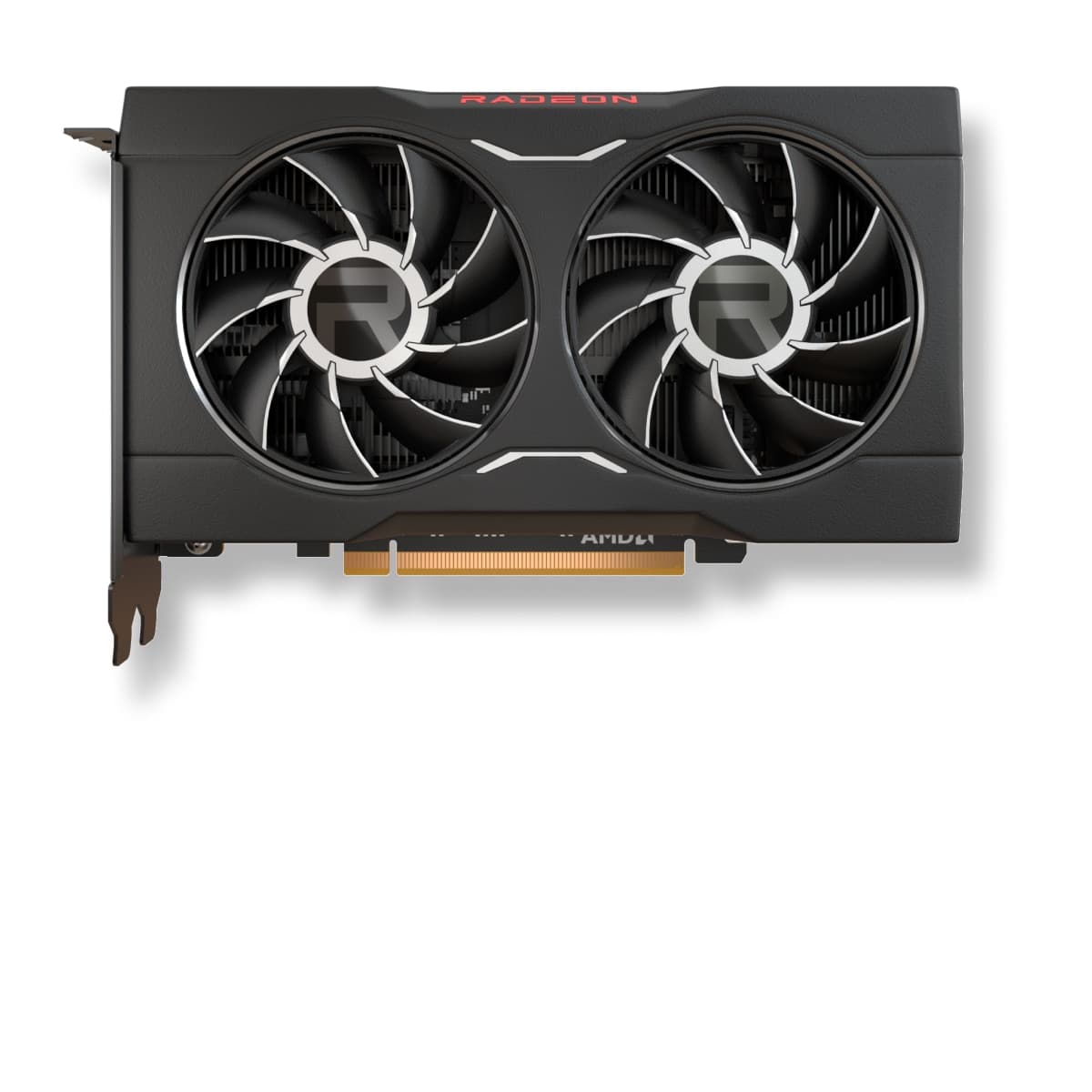
Average FPS by resolution
Estimated average FPS for each graphics card across the most popular games. The gap usually shows at 1080p and 1440p; at 4K both lose smoothness and upscaling (DLSS/FSR) helps.
| Resolution | RTX 5050 Laptop | RX 6650M | Difference |
|---|---|---|---|
| 1080p | 40 | 38 | +5% |
| 1440p | 26 | 26 | = |
| 4K | 11 | 11 | = |
Which one for your resolution?
RTX 5050 Laptop (+5%)
Tie
Tie
Specifications
Side-by-side specs of the RTX 5050 Laptop and RX 6650M: VRAM, power draw (TDP), performance index and launch price. The better value in each row is highlighted in blue.
| Spec | RTX 5050 Laptop | RX 6650M |
|---|---|---|
| Brand | NVIDIA | AMD |
| VRAM | 8 GB | 8 GB |
| TDP | 60W | 120W |
| Tier | Entry-level | Mid-range |
| Score 1080p | 38 | 36 |
| Score 1440p | 28 | 28 |
| Score 4K | 15 | 15 |
| Price (MSRP) | — | — |
| Architecture | Blackwell | RDNA 2 |
| Process Node | TSMC 4nm (4N) | TSMC 7nm |
| Shading Units (CUDA/Stream) | 2560 | 1792 |
| RT Cores | 20 | 28 |
| Texture Units (TMUs) | 80 | 112 |
| ROPs | 32 | 64 |
| Base Clock | 1500 MHz | 1650 MHz |
| Boost Clock | 2662 MHz | 2148 MHz |
| FP32 Performance (Teraflops) | 13.63 TFLOPS | 7.7 TFLOPS |
| Memory Type | GDDR7 | GDDR6 |
| Memory Clock | 24000 MHz | 16000 MHz |
| Memory Bus | 128-bit | 128-bit |
| Memory Bandwidth | 384 GB/s | 256 GB/s |
| PCIe Version | PCIe 4.0 | PCIe 4.0 |
| Transistor Count | 16.9B | 11.1B |
| Release Date | 2025-05-01 | 2022-01-04 |
Power & efficiency
TDP doesn't tell the whole story: here's how much each GPU delivers per watt it draws.
RTX 5050 Laptop
- TDP
- 60W
- FPS/W
- 0.67
RX 6650M
- TDP
- 120W
- FPS/W
- 0.32
The RTX 5050 Laptop is more efficient: it draws 60W less and delivers more per watt, though the RTX 5050 Laptop is still the faster card overall.
What FPS do these GPUs get in your game?
Pick the GPU and the game, and we'll take you straight to its real FPS.
Pick the GPU
Gaming Performance
Per-game FPS detail at 1080p Ultra. The graphics card that wins each title is highlighted in blue.
| Game | RTX 5050 Laptop | RX 6650M | Winner |
|---|---|---|---|
 | 44 | 42 | RTX 5050 Laptop |
 | 41 | 39 | RTX 5050 Laptop |
 | 33 | 31 | RTX 5050 Laptop |
 | 35 | 33 | RTX 5050 Laptop |
 | 36 | 34 | RTX 5050 Laptop |
| 34 | 32 | RTX 5050 Laptop | |
 | 43 | 40 | RTX 5050 Laptop |
 | 44 | 42 | RTX 5050 Laptop |
 | 49 | 47 | RTX 5050 Laptop |
 | 39 | 37 | RTX 5050 Laptop |

Verdict
NVIDIA GeForce RTX 5050 Laptop wins in 10 out of 10 games
At CheckFPS we measured both cards across 10 popular games at 1080p, 1440p and 4K on a reference CPU. The RTX 5050 Laptop comes out ahead by around 5% more FPS on average, and that lead holds up as resolution climbs. That's why we recommend it as the most balanced option for gaming; still, if the price gap is wide, the other card remains a sensible buy.
Frequently asked questions
Common questions when comparing the RTX 5050 Laptop with the RX 6650M.
Which is better, the RTX 5050 Laptop or the RX 6650M?
On average at 1080p, the RTX 5050 Laptop is 5% faster than the RX 6650M. The best one for you depends on your resolution, budget and whether you prioritise ray tracing or price.
Which is better at 4K?
At 4K Ultra, the RTX 5050 Laptop averages 11 FPS and the RX 6650M 11 FPS across the most popular games. For smooth 4K, enabling upscaling (DLSS/FSR) helps on both.
Is it worth paying more for the faster one?
At 1080p or 1440p the FPS gap may not justify the extra cost; at 4K or with ray tracing the faster card matters more. Check the by-resolution table to decide.
Which has better ray tracing and upscaling?
AI upscaling (DLSS on NVIDIA, FSR on AMD, XeSS on Intel) raises FPS on both; for ray tracing, GeForce RTX cards usually lead. See each card’s support above.
How big is the FPS difference between them?
On average across top games, the gap is around 5% at 1080p. At higher resolutions (1440p and 4K) the relative difference usually stays similar.
5050 Laptop vs 6650M: what's the real difference?
In performance, the RTX 5050 Laptop beats the RX 6650M by around 5% more FPS on average at 1080p — the gap shifts a bit by resolution, as shown in the table above. If you're torn between the 5050 Laptop and the 6650M on price, the price and $/FPS section above can help you decide.