How Many FPS Does Valorant Get with RX 470? Performance at 1080p, 1440p & 4K

Want the RX 470 at the best price?
Check the current price on Amazon.
Valorant system requirements
Official minimum and recommended requirements published by the developer.
Minimum
Recommended
 Game keys on sale
Upcoming games, cheaper with an official key.

Assassin's Creed Black Flag Resynced
View on Eneba →

Halo: Campaign Evolved
View on Eneba →

Beast of Reincarnation
View on Eneba →

The Sinking City 2
View on Eneba →

Resonance: A Plague Tale Legacy
View on Eneba →

Star Wars Zero Company
View on Eneba →

The Blood of Dawnwalker
View on Eneba →

Halloween: The Game
View on Eneba →

Warhammer 40,000: Dawn of War IV
View on Eneba →

Silent Hill: Townfall
View on Eneba →

Control Resonant
View on Eneba →

Ace Combat 8: Wings of Theve
View on Eneba →

Gears of War: E-Day
View on Eneba →
Affiliate link
RX 470 Specifications
These are the basic specs. The full RX 470 page adds the rest of the technical data and its FPS game by game, not just in Valorant.
Want the exact Valorant FPS with your RX 470?
These FPS assume a reference CPU. Add your real processor and RAM and we'll tailor the estimate to your rig.
- Estimate tailored to your rig
- Customize resolution, quality, and RAM
Valorant benchmark on RX 470: FPS by resolution and quality
Pick yours and we recalculate the whole table above with it.

Valorant FPS with a RX 470 and a Intel Core i5-13400
| Quality | 1080p (Full HD) | 1440p (2K) | 4K (Ultra HD) |
|---|---|---|---|
| Ultra | 64FPS min 56Good | 41FPS min 36Acceptable | 13FPS min 12Unplayable |
| High | 84FPS min 73Good | 53FPS min 47Acceptable | 17FPS min 15Poor |
| Medium | 109FPS min 95Good | 70FPS min 62Good | 22FPS min 20Poor |
| Low | 141FPS min 123Excellent | 90FPS min 79Good | 29FPS min 26Poor |
| Bottleneck (estimated) | balanced | GPU 34% | GPU 79% |
The percentage estimates how much of the stronger component's capability goes unused because of the other one.
This one does matter: from the Intel Core i5-12400F downwards the processor becomes the brake on the RX 470. There is 35% between the slowest and fastest CPU in the table. One caveat: this is at 1080p, where the CPU weighs most. At 1440p and 4K the graphics card takes over and the processor stops mattering.
FSR performance: FPS with AI upscaling
Upscaling renders Valorant at a lower internal resolution and reconstructs the image, so you trade a little sharpness for extra frames. These are the estimated figures for the RX 470 with FSR enabled, starting from its native Ultra FPS.
| Resolution | Native | FSR Quality | FSR Performance |
|---|---|---|---|
| 1080p | 64 | 80 | 93 |
| 1440p | 41 | 55 | 68 |
| 4K | 13 | 19 | 24 |
About ray tracing: every figure on this page is with ray tracing off. The RX 470 has no dedicated hardware for it, so it is an option best left disabled.
Estimated figures. The real gain varies by game and by the version of the technology.
Is the CPU or the graphics card holding you back?
These FPS assume a mid-range CPU that isn't a bottleneck — roughly a Intel Core i5-13400 — and 16 GB of RAM.
The RX 470 and that processor are well matched in Valorant: neither clearly holds the other back, so the table figures are a fair reflection of the pair. At 4K it flips: there the graphics card becomes the limit.

Is the RX 470 Enough for Valorant?
The RX 470 delivers 64 FPS at 1080p Ultra in Valorant. Enough for a smooth 60 FPS experience. For 144Hz, lower the quality to High.
At 1440p it gets 41 FPS and at 4K 13 FPS at Ultra quality.
Want more FPS in Valorant?
Our guide collects the settings that give between +40% and +90% FPS in Valorant with barely any visual loss. Recommended settings, GPU-specific tips (NVIDIA/AMD/Intel) and solutions to common game issues.
RX 470 or R9 390 for Valorant?
In Valorant at 1080p Ultra both land on the same figure: 64 FPS. Price and power draw are what separate them.
RX 470 vs R9 390: which one is faster?Other GPUs for Valorant
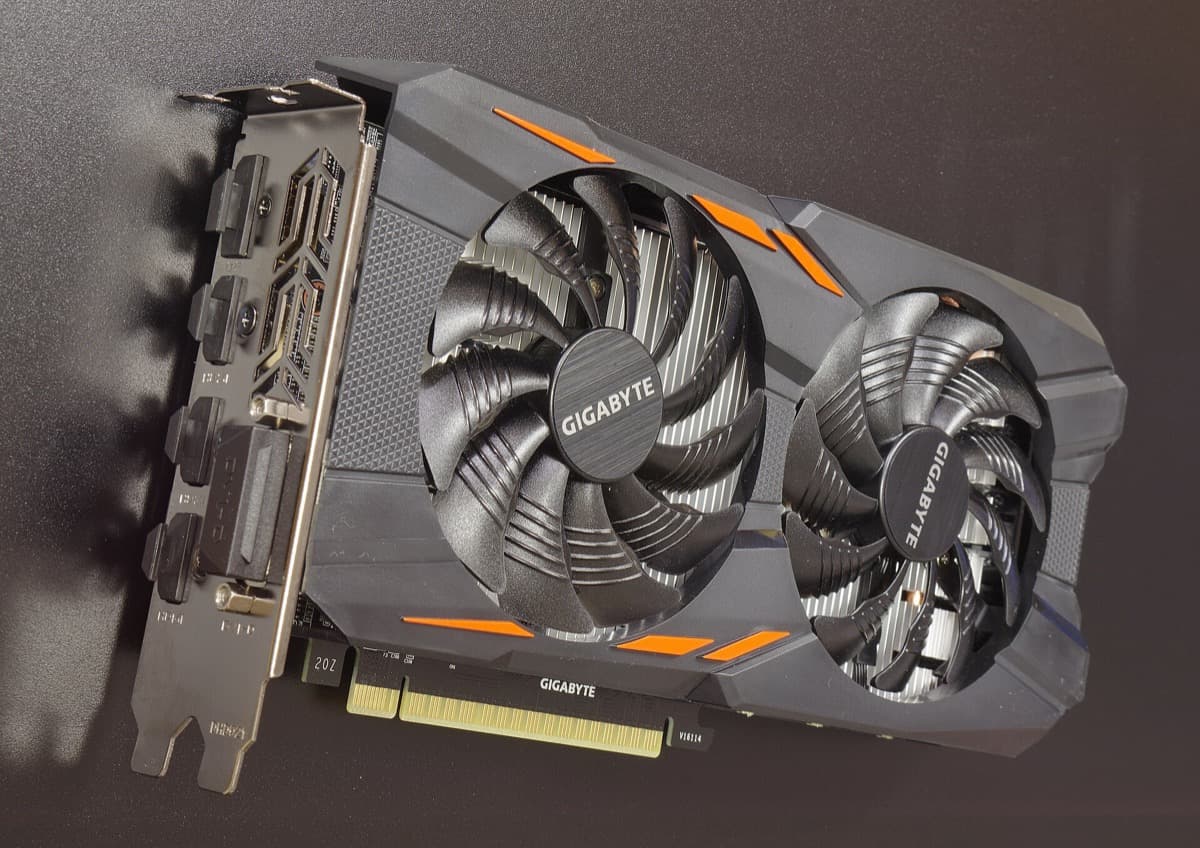
If none of these convinces you for Valorant, the full ranking sorts all 143 cards by real FPS, not synthetic scores.
See the full graphics card ranking by real FPS


